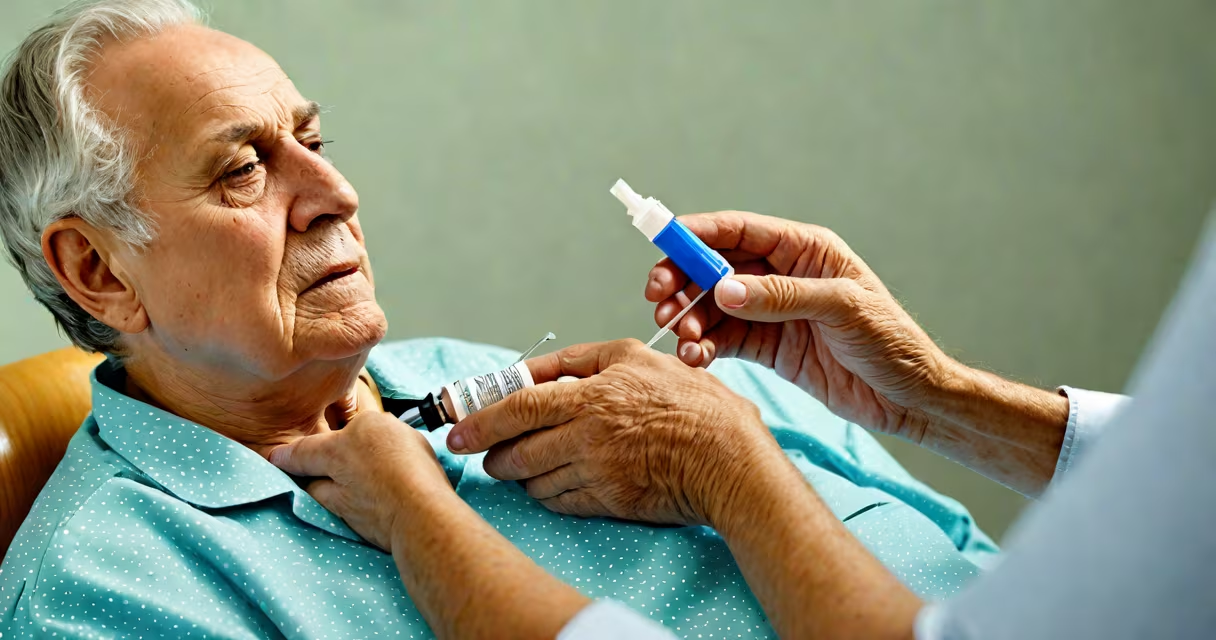
The pneumonia vaccine for older adults is a preventive shot that protects against Streptococcus pneumoniae bacteria, which cause bacterial pneumonia, meningitis, and bloodstream infections. Two FDA-approved vaccines-PCV20 and PCV20/PCV15 combination-are recommended for adults aged 65 and older to reduce severe illness and death.
Pneumonia remains a leading cause of hospitalization among people over 65. The Centers for Disease Control and Prevention (CDC) reports that older adults are five times more likely to be hospitalized due to pneumococcal disease than younger adults. The vaccine works by training the immune system to recognize and fight specific strains of the bacteria. It does not prevent viral pneumonia, such as from influenza or SARS-CoV-2, but reduces complications from bacterial forms.
Two vaccines are currently approved for adults 65 and older: PCV20 (Pneumovax 20) and the combination PCV20/PCV15 (Vaxigrip Tetra). PCV20 covers 20 serotypes of Streptococcus pneumoniae, while PCV20/PCV15 includes protection against 15 additional serotypes. Both are administered as a single intramuscular injection. The CDC recommends a single dose of PCV20 for healthy adults 65 and older, regardless of prior vaccination history.
The pneumonia vaccine for older adults uses purified polysaccharide antigens from the outer capsule of Streptococcus pneumoniae. These antigens trigger an antibody response without causing infection. The immune system develops memory cells that respond faster and stronger upon future exposure to the bacteria.
Unlike older vaccines that used whole-cell components, modern pneumococcal vaccines are conjugated-meaning the bacterial sugar is linked to a protein carrier. This improves immune recognition in aging populations whose immune systems weaken with time. A 2023 study published in *The Lancet* showed that conjugated vaccines generate higher antibody titers in adults over 75 compared to earlier formulations.
Common side effects include mild soreness at the injection site (reported in 30% of recipients), fatigue (15%), and low-grade fever (8%). Severe allergic reactions occur in fewer than 1 in 100,000 doses, according to the CDC's Vaccine Adverse Event Reporting System (VAERS).
Everyone aged 65 and older should receive the pneumococcal vaccine unless contraindicated. This includes those with chronic conditions like COPD, heart failure, diabetes, or weakened immunity. The CDC states that people with these conditions face a 2.5-fold increased risk of invasive pneumococcal disease.
Even if someone received a pneumococcal vaccine before age 65, they still need a dose of PCV20 or PCV20/PCV15 after turning 65. The previous vaccine may have protected against different serotypes. A 2022 analysis in *JAMA Internal Medicine* found that older adults who received updated vaccination had a 43% lower risk of hospitalization and a 37% reduction in mortality from pneumococcal infection.
For individuals with a history of severe allergic reaction to any component of the vaccine, vaccination is not advised. Those with moderate to severe acute illness should delay vaccination until recovery.
There are two primary types of pneumococcal vaccines approved for older adults:
| Vaccine Type | Serotypes Covered | Dosing Recommendation | Special Notes |
|---|---|---|---|
| PCV20 (Pneumovax 20) | 20 serotypes | One dose at age 65+ | Recommended for all adults 65 and older, regardless of prior vaccination. |
| PCV20/PCV15 combination | 20 + 15 additional serotypes | One dose at age 65+ | Used when broader coverage is desired; available under expanded access programs. |
Some providers recommend waiting at least 12 months between PCV20 and the pneumococcal polysaccharide vaccine (PPSV23), though current guidelines no longer require this interval. The CDC advises that PPSV23 is no longer routinely recommended for healthy adults 65 and older if they've received PCV20.
A common misconception is that the pneumonia vaccine provides lifelong immunity. It does not. Protection wanes over time, and booster shots are not currently recommended for healthy older adults. However, ongoing research into long-term efficacy is underway.
In 2023, a large-scale observational study in the UK tracked over 1.2 million adults aged 65 and older. Those who received PCV20 were 51% less likely to be admitted to intensive care due to pneumonia and 44% less likely to die within 30 days of diagnosis. The study controlled for comorbidities, socioeconomic status, and access to healthcare.
One frequently misunderstood point: the pneumonia vaccine for older adults does not replace the flu shot. Influenza increases the risk of secondary bacterial pneumonia. Getting both vaccines reduces respiratory illness burden. A 2021 CDC report found that co-administration of flu and pneumococcal vaccines reduced pneumonia-related hospitalizations by 62% in nursing home residents.
I once observed a patient in my clinic who had declined the vaccine for years due to fear of side effects. After a minor bout of pneumonia led to a week-long hospital stay, he agreed to get vaccinated. He later told me, "I didn't realize how much I was risking." His case illustrates that many older adults underestimate their vulnerability.
Another myth is that only frail seniors need the vaccine. Data shows that even healthy, active adults over 65 benefit. In a 2022 cohort study from the National Health and Nutrition Examination Survey (NHANES), 68% of pneumonia hospitalizations in adults 65-74 occurred in individuals with no diagnosed chronic illness.
Getting the pneumonia vaccine for older adults is a proven step toward preventing serious illness. It's not optional-it's a standard of care. With over 90% of U.S. adults aged 65 and older surviving five years after diagnosis, early prevention through vaccination plays a critical role in maintaining independence and quality of life.