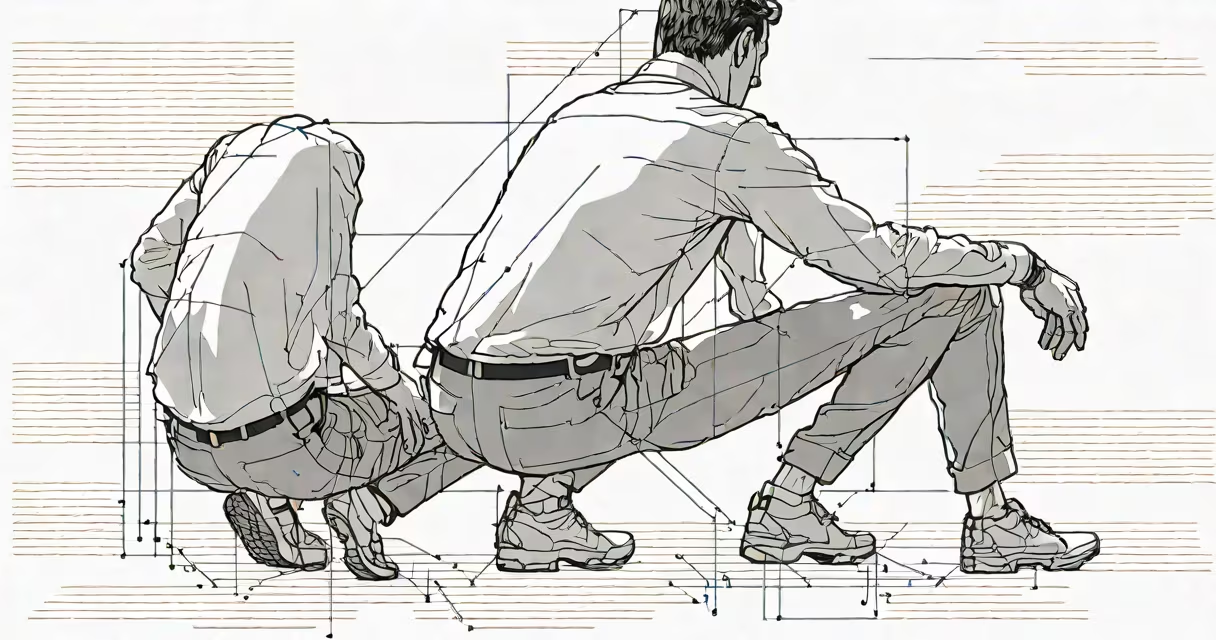
Lower back pain is a common physical sensation that can stem from muscle strain, poor posture, or underlying spinal conditions. It often appears suddenly during movement or lingers after prolonged sitting or activity. The sensation may range from dull ache to sharp stabbing, depending on cause and duration.
Back pain in the lumbar region-the five vertebrae between the ribs and hips-is among the most frequent reasons people consult healthcare providers. About 80% of adults experience low back pain at some point in life, according to the American College of Physicians. Pain can result from mechanical stress, nerve irritation, or structural changes in the spine.
Pain arises when tissues in the lower back-muscles, ligaments, discs, or nerves-become irritated or damaged. For example, bending forward while lifting heavy objects increases pressure on the intervertebral discs. A disc can bulge or rupture under load, compressing nearby nerves and triggering sharp pain that radiates into the buttocks or legs.
Even everyday actions can contribute. Sitting for more than 30 minutes without support shifts weight onto the lower spine, increasing disc pressure. Over time, this leads to muscle fatigue and joint stiffness. A 2021 study in *Spine Journal* found that prolonged sitting correlates with a 60% higher risk of recurrent back pain compared to those who take regular movement breaks.
Some injuries develop gradually. Repetitive twisting motions during sports or household chores can strain the facet joints-small stabilizing joints between vertebrae. These joints can become inflamed, causing localized tenderness and reduced mobility.
Not all back pain comes from the same source. The following table outlines frequent triggers based on context and symptom pattern.
| Trigger | Typical Symptoms | When to Consider Medical Evaluation |
|---|---|---|
| Heavy lifting or deadlifting | Dull ache after exertion; pain worsens with extension | Sharp pain that doesn't improve after rest; numbness in legs |
| Running or high-impact activity | Burning or tightness in lower back; improves with walking | Pain persists beyond 48 hours; affects gait |
| Prolonged sitting or poor posture | Dull, constant ache; stiffness in morning | Pain spreads below the knee; loss of bladder control |
| Sudden trauma (fall, car accident) | Immediate sharp pain; difficulty standing | Loss of sensation in feet; inability to walk |
One non-obvious fact: many people assume back pain means a herniated disc. But research shows only 10-15% of chronic cases involve disc issues. Most are due to muscular imbalances or joint dysfunction, not structural damage.
Certain symptoms indicate serious underlying problems requiring prompt evaluation. These include:
These signs may suggest cauda equina syndrome-a rare but urgent condition where spinal nerves are compressed. Delayed treatment risks permanent neurological damage. The National Institute of Neurological Disorders and Stroke recommends seeking emergency care within 24 hours if these occur.
I once observed a client who ignored persistent lower back pain after deadlifting. He reported tingling in his left foot and difficulty climbing stairs. After a MRI, he was diagnosed with a lateral disc protrusion pressing on L5 nerve root. Early intervention prevented long-term disability.
If pain is mild and recent, start with 48 hours of rest, avoid heavy lifting, and apply ice for 15 minutes every few hours. Gentle movement-like walking for 10 minutes twice daily-helps maintain circulation and prevents stiffness.
For ongoing discomfort, consider consulting a physical therapist. They assess movement patterns and correct imbalances. A 2020 randomized trial published in *JAMA Internal Medicine* showed that patients receiving physical therapy had better outcomes than those treated with medication alone.
When pain persists beyond a week despite self-care, see a provider. Diagnostic imaging is rarely needed initially. Most cases resolve with conservative management. However, ignoring warning signs can delay recovery and increase risk of chronic pain.
Understanding what if my lower back hurts begins with recognizing context, pattern, and urgency. Not all back pain requires a doctor-but knowing when to act prevents complications. If you're unsure, don't wait. Early assessment leads to faster resolution.