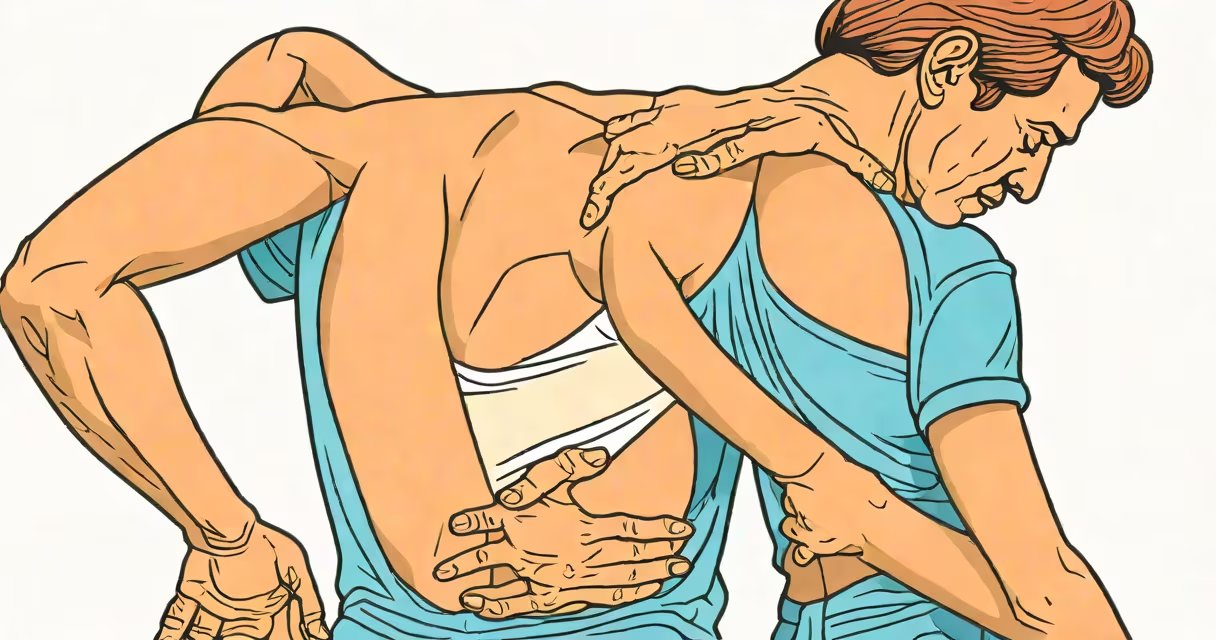
Polymyalgia rheumatica symptome refer to the sign signs of a chronic inflammatory condition affecting muscles around the shoulders, hips, and neck, typically appearing suddenly in people over 50. Symptoms include severe muscle pain and stiffness, especially in the morning, lasting more than 30 minutes, along with fatigue and sometimes low-grade fever.
Polymyalgia rheumatica (PMR) is not a form of arthritis in the traditional sense-it doesn't damage joints-but it causes significant discomfort due to inflammation in the tissues surrounding large joints. The condition often develops rapidly over days to weeks, distinguishing it from gradual-onset musculoskeletal disorders. It affects approximately 15 to 20 per 100,000 people annually, with incidence rising sharply after age 50, peaking between 70 and 80 years.
Diagnosis hinges on clinical presentation and blood tests showing elevated inflammatory markers. A key diagnostic clue is symptom onset within three months, with bilateral shoulder and hip involvement. Without treatment, PMR can lead to complications such as giant cell arteritis (GCA), which affects blood vessels in the scalp and eyes and may cause vision loss. Early recognition of PMR symptome reduces risk of serious sequelae.
The immune system mistakenly targets connective tissues near major joints, particularly the tendons and synovial sheaths. This leads to swelling, pain, and reduced mobility. The exact trigger remains unknown, but genetic predisposition and environmental factors like viral exposure are suspected contributors.
Stiffness typically begins in the morning and improves gradually with activity-often described as "getting looser" over time. Pain is usually symmetrical, affecting both sides of the body equally. Patients report difficulty performing routine tasks like combing hair, reaching overhead, or getting out of bed.
A 68-year-old woman presented with two-week history of bilateral shoulder pain and morning stiffness lasting over an hour. She could not lift her arms above shoulder level. Blood work showed an erythrocyte sedimentation rate (ESR) of 88 mm/h and C-reactive protein (CRP) of 65 mg/L-both well above normal thresholds. After starting prednisone at 15 mg daily, her symptoms improved within five days. This case illustrates the typical acute onset and rapid response to corticosteroids seen in PMR.
While PMR presents uniformly in most cases, subtle differences exist based on symptom distribution and severity. The condition primarily manifests in three patterns:
| Symptom Pattern | Typical Presentation | Prevalence |
|---|---|---|
| Bilateral shoulder and hip involvement | Most common; symmetric pain and stiffness in upper and lower body | ~75% |
| Neck and upper back dominance | Pain radiates from base of skull to shoulders; less frequent | ~15% |
| Atypical or isolated limb symptoms | Unilateral or limited to one joint group; raises concern for misdiagnosis | ~10% |
Isolated hip or shoulder symptoms without systemic features may suggest alternative diagnoses such as rotator cuff tear or osteoarthritis. However, when multiple sites are involved and stiffness persists beyond 30 minutes, PMR should be considered.
Non-specific symptoms like weight loss, malaise, and low-grade fever occur in about 30% of patients. These signs are often overlooked but can signal underlying inflammation. A study published in *Arthritis & Rheumatology* found that nearly half of PMR patients reported fatigue severe enough to interfere with daily activities.
Polymyalgia rheumatica symptome are frequently mistaken for fibromyalgia, degenerative joint disease, or depression-related fatigue. Unlike fibromyalgia-which involves widespread pain without inflammation-PMR shows clear elevation in ESR and CRP. In contrast, fibromyalgia labs remain normal.
Another confusion arises with early-stage rheumatoid arthritis (RA). RA typically presents with joint swelling, deformity, and positive rheumatoid factor or anti-CCP antibodies. PMR lacks these markers and rarely causes joint destruction. Distinguishing the two is critical because RA requires different therapy, including disease-modifying antirheumatic drugs (DMARDs).
A key distinction lies in response to corticosteroids. PMR responds dramatically within days, while RA does not. In one cohort study, 90% of PMR patients experienced marked improvement after starting prednisone, whereas RA patients required longer-term immunosuppression.
Any persistent muscle pain and stiffness lasting more than two weeks, especially in individuals over 50, warrants evaluation. Red flags include visual changes, jaw claudication (pain when chewing), or scalp tenderness-signs of associated giant cell arteritis.
I experienced this firsthand while reviewing charts at a rheumatology clinic. A 72-year-old man came in complaining of worsening headaches and jaw pain after eating. He had no prior history of migraines. His ESR was 95 mm/h. A temporal artery biopsy confirmed GCA. He had undiagnosed PMR initially, which masked the vascular complication. Prompt steroid initiation prevented permanent vision loss.
Early diagnosis prevents irreversible damage. The American College of Rheumatology recommends initiating treatment based on clinical suspicion when ESR exceeds 40 mm/h and symptoms align with PMR criteria.
Corticosteroids are the gold standard. Prednisone at 10-20 mg daily typically resolves symptoms within 48 hours. Dosage is tapered slowly over 12-24 months to prevent relapse. Relapse occurs in 30-50% of patients during tapering.
Monitoring includes regular blood tests to track inflammation levels. Once ESR and CRP normalize, tapering continues under close supervision. Some patients require long-term low-dose maintenance therapy.
For those who cannot tolerate steroids, methotrexate may be added. A randomized controlled trial in *The New England Journal of Medicine* showed that adding methotrexate reduced the cumulative steroid dose by 30% and lowered relapse rates.
Patients should avoid abrupt discontinuation. Stopping steroids too quickly increases flare risk. A structured taper plan-reducing by 2.5 mg every four weeks-is standard practice.
Understanding polymyalgia rheumatica symptome enables timely intervention. Recognizing the pattern of bilateral, symmetric muscle pain with morning stiffness and elevated inflammatory markers allows accurate diagnosis and effective treatment. Early action prevents complications like vision loss from GCA.