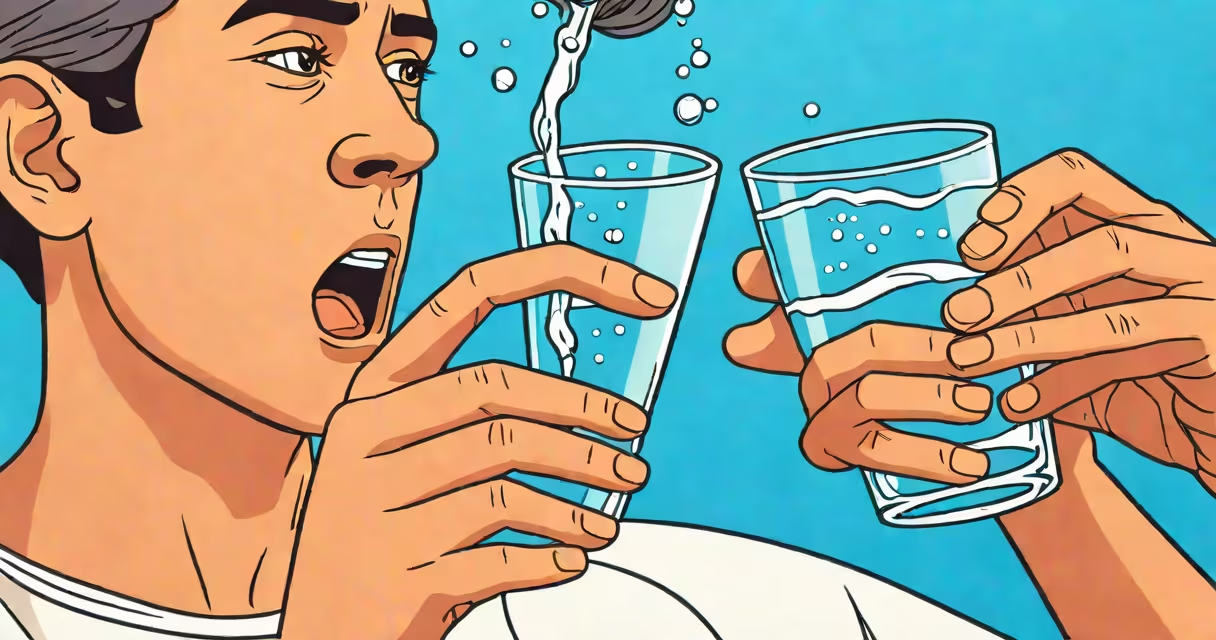
Drinking water can cause stomach cramps when consumed too quickly, in large volumes, or if it's contaminated with pathogens or chemicals. This effect is rare in healthy individuals with clean water sources.
Stomach cramps from water typically result from osmotic imbalances, bacterial contamination, or underlying gastrointestinal conditions. The body reacts to sudden fluid influx or harmful substances by triggering muscle contractions in the intestines, leading to pain.
Water itself is not inherently irritating. The issue arises from timing, volume, quality, or individual sensitivity. For most people, water prevents cramps by supporting digestion and hydration. Only specific scenarios trigger adverse reactions.
When you drink water rapidly, especially during or after intense physical activity, the sudden influx of fluid can disrupt the balance of electrolytes and gut motility. The small intestine may respond with spasms to regulate fluid absorption, resulting in cramping.
Research from the American College of Sports Medicine shows that consuming more than 1 liter of fluid per hour during endurance events increases the risk of gastrointestinal distress, including cramping. This happens because the digestive system cannot process high volumes efficiently, leading to fluid retention and pressure buildup.
Contaminated water introduces bacteria like *E. coli* or *Salmonella*, which damage the intestinal lining and provoke inflammation. The Centers for Disease Control and Prevention (CDC) reports that waterborne illnesses account for over 1 million cases of acute gastroenteritis annually in the U.S., often presenting with cramps, diarrhea, and nausea.
Not all water-induced cramps stem from the same cause. The table below outlines the primary mechanisms and their associated risks.
| Type | Trigger | Frequency | Prevention |
|---|---|---|---|
| Volume overload | Drinking >1 liter in 15 minutes | Occasional in athletes | Limit intake to 250-500 mL every 15-20 minutes |
| Contaminated source | Unfiltered tap water in low-resource areas | Higher in developing regions | Use bottled or filtered water; boil if uncertain |
| Electrolyte imbalance | Drinking plain water during prolonged exercise | Common in marathon runners | Use sports drinks with sodium and potassium |
| Underlying condition | Irritable bowel syndrome (IBS), gastritis | Variable, depends on individual | Identify triggers; consult a gastroenterologist |
One non-obvious factor is temperature. Cold water can stimulate the vagus nerve, increasing intestinal motility. A 2018 study in *Frontiers in Physiology* found that cold water ingestion led to a 30% increase in colonic contractions compared to room-temperature water.
Many assume that water is always safe and beneficial. This belief leads to overlooking contamination risks, especially in travel or outdoor settings. Water from taps in cities with aging infrastructure may contain lead or chlorine byproducts linked to gastrointestinal irritation.
Some confuse water-related cramps with food poisoning or lactose intolerance. Cramps from water lack accompanying symptoms like bloating from dairy or fever from infections. They usually resolve within 30 minutes to an hour after stopping intake.
Another misconception is that all cramping indicates dehydration. In reality, overhydration-especially with plain water-can dilute blood sodium levels, causing hyponatremia. Symptoms include headache, nausea, and muscle cramps. The Mayo Clinic notes that hyponatremia occurs in 1 in 100 endurance athletes.
In 2022, a 32-year-old male marathoner reported severe lower abdominal cramps during the final 10 kilometers of a race. He had consumed 1.5 liters of water in the previous 30 minutes, primarily at aid stations with no electrolyte supplementation.
Medical evaluation revealed mild hyponatremia (serum sodium: 132 mmol/L) and signs of intestinal spasm. After resting and receiving oral rehydration solution, his symptoms resolved within 45 minutes. His case illustrates how rapid water intake without electrolytes can trigger cramping.
He later adjusted his hydration strategy to consume 250 mL of electrolyte-enhanced fluid every 15 minutes, reducing cramp frequency by 80% in subsequent races.
Cramps from water typically subside within an hour. Persistent pain lasting more than 6 hours, especially with fever, bloody stool, or vomiting, suggests a different condition. These require evaluation for infections, inflammatory bowel disease, or obstruction.
If cramps recur regularly after drinking water, consider testing for conditions like IBS or fructose malabsorption. The National Institute of Diabetes and Digestive and Kidney Diseases (NIDDK) states that chronic cramping affects 10-15% of adults and often stems from diet or gut sensitivity rather than water itself.
Drinking water causes stomach cramps only in specific, identifiable circumstances. Most cases involve speed of intake, water quality, or preexisting conditions. With proper awareness and adjustments, water remains a safe and essential part of daily health.