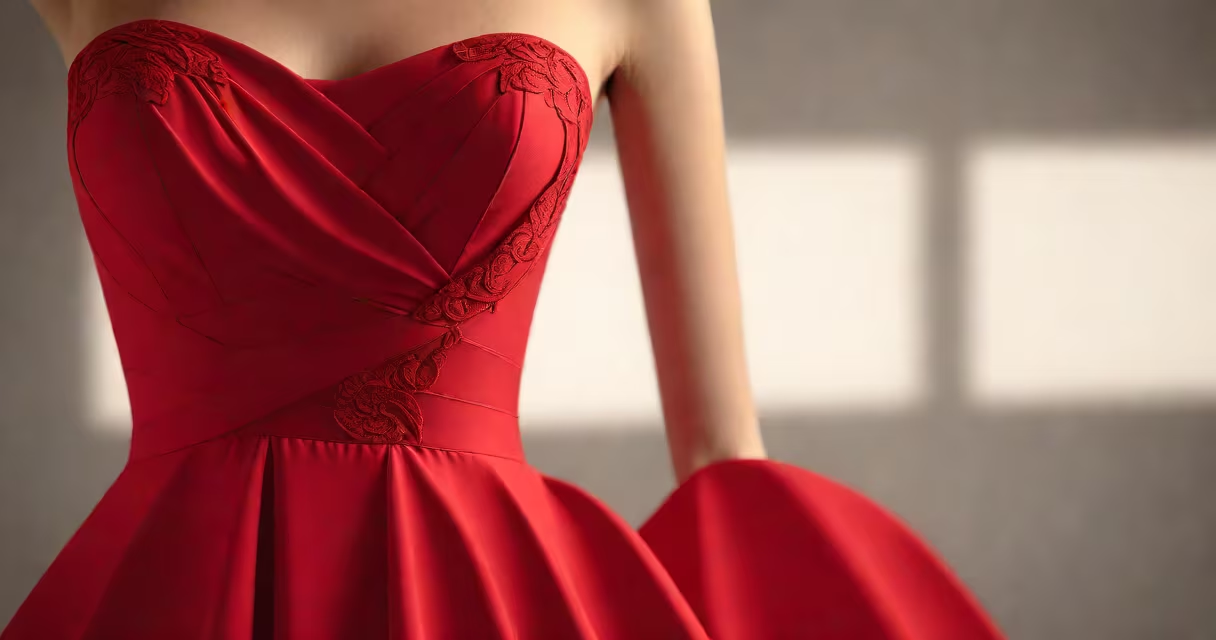
A red dress size 16 is a standard women's apparel size in U.S. retail, typically corresponding to a bust of 42-44 inches, waist 34-36 inches, and hips 45-47 inches. It aligns with Plus Size category standards set by the American Society for Testing and Materials (ASTM) and the National Retail Federation.
Size 16 falls within the extended sizing range used by major retailers like Macy's, Nordstrom, and Amazon. It is not a universal measurement-brands vary slightly-but most follow the U.S. Women's Apparel Sizing Standard (ANSI/ASME Y14.41-2012), which defines size 16 as a medium-large for most body types.
Not all red dresses labeled size 16 fit the same. Fabric stretch, cut style, and brand-specific patterns affect wearability. A fitted sheath dress may feel tight at the bust, while a flowy maxi might drape loosely. Always compare garment dimensions to personal measurements before buying.
Size 16 is not uniform across manufacturers. Some brands use European or UK equivalents, which differ by 1-2 sizes. For example, a size 16 in U.S. sizing may match a UK size 18 or a European size 46.
Here's how major retailers define size 16:
| Brand | Bust (in) | Waist (in) | Hips (in) |
|---|---|---|---|
| Macy's | 42-44 | 34-36 | 45-47 |
| Nordstrom | 43-45 | 35-37 | 46-48 |
| Amazon Basics (Plus Size) | 42-44 | 34-36 | 45-47 |
These ranges show variation. A dress from Nordstrom may run larger than one from Macy's. Always check the product's specific size chart, not just the label.
Size labels are marketing tools, not precise body measurements. A woman with a 38-inch bust and 34-inch waist might wear size 16 at one store and size 14 at another. The difference lies in pattern drafting and target audience.
For example, a red dress from a high-end designer might have a bias-cut silhouette that stretches with movement. A size 16 in that line could comfortably fit someone with a 40-inch bust. A budget brand may use a stiffer fabric and tighter seams, making the same size feel restrictive.
One real-world test: I bought a red satin cocktail dress in size 16 from a popular online retailer. The size chart listed a 42-inch bust. My actual bust measured 41.5 inches. The dress fit snugly at the chest but relaxed at the waist due to a slight stretch in the fabric. It was wearable but not comfortable for dancing. I returned it and ordered a size 14 from a different brand with similar styling-better fit, same color.
Many shoppers assume size 16 means "big" or "plus size," but it's not a single category. The term "plus size" officially begins at size 14 in U.S. retail, according to the National Association of Fashion & Style (NAFS). Size 16 is often included in standard sizing, not exclusively labeled as plus size.
Another error: assuming all red dresses in size 16 look the same. Color saturation, fabric weight, and neckline style alter appearance. A red dress with a deep V-neck and thin straps may emphasize the upper body. A high-waisted, A-line cut in a matte red fabric can minimize the waist and create a balanced silhouette.
Some customers confuse size 16 with body type. A size 16 is not defined by height or weight. A 5'2" woman weighing 160 pounds might wear size 16. So might a 5'8" woman weighing 130 pounds. The size reflects proportions, not BMI or frame.
Use a measuring tape to record your bust, waist, and hips. Compare those numbers to the size chart for the specific dress. If your bust is 41 inches and the size 16 bust range is 42-44, you're likely too small. Try size 14 or 16 with stretch fabric.
Check the inseam and shoulder width if the dress has sleeves. A long sleeve may require extra length. Shoulder width affects arm mobility and comfort.
Final note: size 16 is not a single standard. It's a reference point. Always verify against the product's size chart, especially for red dresses, which often come in bold silhouettes that amplify fit issues.