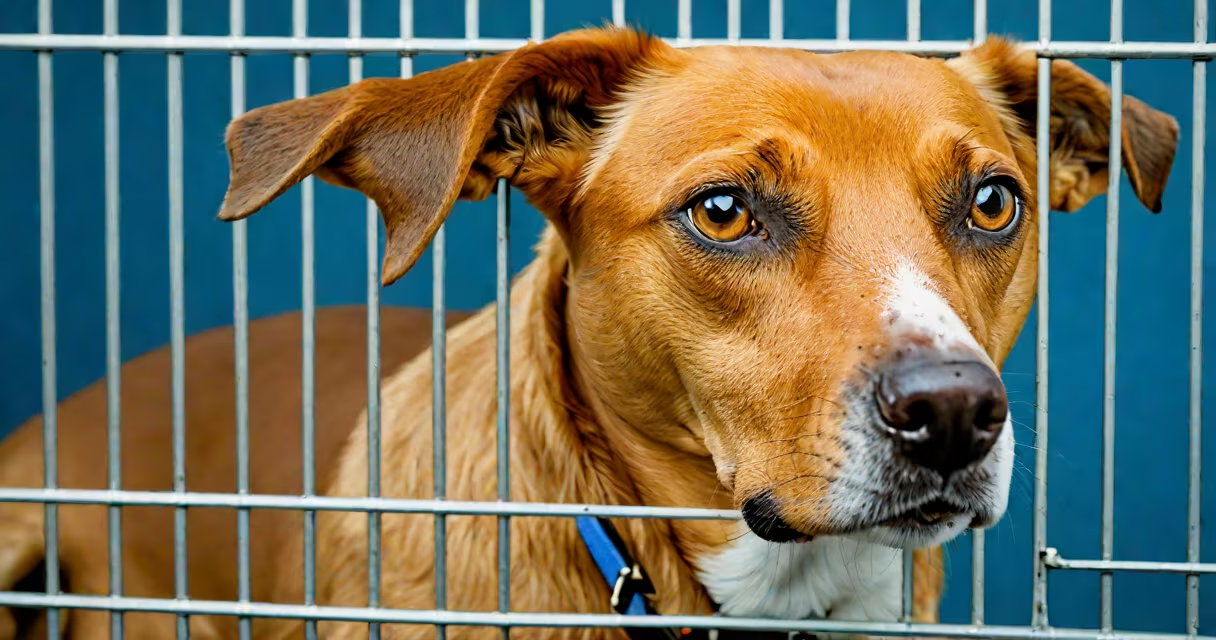
The RSPCA's dogs for adoption program connects individuals and families with rescued dogs in need of permanent homes across the UK. Each dog undergoes health checks, behavioral assessments, and socialization training before being matched with a suitable adopter through a vetted application process.
RSPCA shelters house thousands of dogs annually, many surrendered due to neglect, abuse, or owner inability to care. The organization prioritizes animal welfare over speed, ensuring each dog is physically and emotionally stable before placement. The adoption process includes a home visit, reference checks, and a mandatory 6-week trial period to confirm compatibility.
Adoption fees cover initial vaccinations, microchipping, neutering, and ongoing support. These costs typically range from £120 to £180 depending on the dog's age and medical history. The RSPCA does not charge for the dog itself-funds go directly toward care and rehabilitation.
Dogs arrive at RSPCA centers through police referrals, public surrenders, or emergency rescues. Upon intake, each dog receives a full veterinary exam within 48 hours. This includes bloodwork, parasite screening, and dental evaluation. The RSPCA uses standardized behavioral assessments based on guidelines from the British Veterinary Association (BVA).
Dogs are placed in temporary kennels or build homes while undergoing training. Socialization sessions include controlled interactions with people, other animals, and common household stimuli like vacuum cleaners and doorbells. A dog must demonstrate consistent calm behavior during these sessions before being listed for adoption.
For example, a 3-year-old Staffordshire bull terrier named Jasper arrived at RSPCA Manchester after being seized from a hoarding situation. He had severe anxiety and avoided eye contact. After six weeks of structured desensitization and positive reinforcement training, he began responding to commands and showing interest in toys. He was approved for adoption after a successful home visit confirmed a quiet household with no young children.
The RSPCA categorizes dogs by temperament, energy level, and medical needs. Most dogs available are between 1 and 6 years old, though older dogs and puppies are also present. The following table outlines typical profiles:
| Dog Type | Energy Level | Medical Needs | Best For |
|---|---|---|---|
| Senior dogs (7+ years) | Low | Chronic conditions (e.g., arthritis) | Quiet homes, retirees, limited mobility |
| Working breeds (e.g., Border Collie) | High | Occasional joint issues | Active owners, hiking, agility training |
| Rescued strays | Variable | Unknown history | Build-to-adopt, experienced handlers |
| Puppies (under 6 months) | Very high | Initial vaccinations | Full-time caregivers, training commitment |
Matching is not based solely on breed. A 2022 RSPCA internal review found that 68% of successful adoptions involved dogs previously labeled "difficult" due to past trauma. The organization emphasizes behavioral potential over appearance or breed stereotypes.
Many assume that all dogs in RSPCA shelters have been abused. While abuse is a frequent cause of surrender, the majority of dogs enter care due to owner relocation, financial hardship, or lack of understanding of canine needs. The RSPCA reports that 41% of dogs surrendered in 2023 were healthy and had no prior behavioral issues.
Another misconception is that adoption means accepting a dog with severe behavioral problems. The RSPCA does not place dogs with unmanaged aggression or fear-based biting without intensive pre-adoption training. All dogs are assessed using the RSPCA's Behavioral Assessment Tool (BAT), which includes 12 standardized scenarios such as being approached from behind or encountering sudden loud noises.
A non-obvious fact: the RSPCA does not operate a national database of all adopted dogs. Instead, they track outcomes through a voluntary follow-up system. Adopters receive a survey 30 days post-adoption and are invited to share updates via email. This data helps refine matching algorithms and improve long-term success rates.
In 2021, I visited the RSPCA South London branch to adopt a dog. I had previously considered buying a purebred puppy but changed my mind after learning about the high euthanasia rate in UK shelters. I met three dogs: a 5-year-old mixed terrier named Daisy who loved cuddles, a shy German shepherd named Leo who hid under a bench, and a 2-year-old Labrador mix named Max who responded well to commands.
I applied online, submitted references, and completed a home visit. The assessor noted that my flat had no outdoor access but confirmed I could walk Max twice daily. After approval, I signed a contract agreeing to neutering, regular vet visits, and reporting any behavioral changes. Max was transferred to me after a 10-day adjustment period. He now lives with me and my partner, walks three times a day, and attends weekly obedience classes.
Since then, I've attended two RSPCA reunion events where adopters share stories. One woman brought her 10-year-old rescue dog, who had been abandoned in a suitcase at a train station. They now volunteer together at local events, promoting responsible pet ownership.
Visit the RSPCA website to search for available dogs by location, size, and temperament. Filters include "needs extra attention," "good with children," and "lives well with cats." Each listing includes photos, a brief biography, and details on required care.
Once approved, the adoption process takes 3-6 weeks. Finalization requires signing a legal agreement and attending a brief orientation session. Post-adoption support includes a 6-month free consultation with a behaviorist and access to a private forum for adopters.
Every dog in the RSPCA's care system has a documented history. The organization maintains transparency by allowing applicants to view medical records and behavioral notes before applying. This ensures informed decisions and reduces the risk of return.