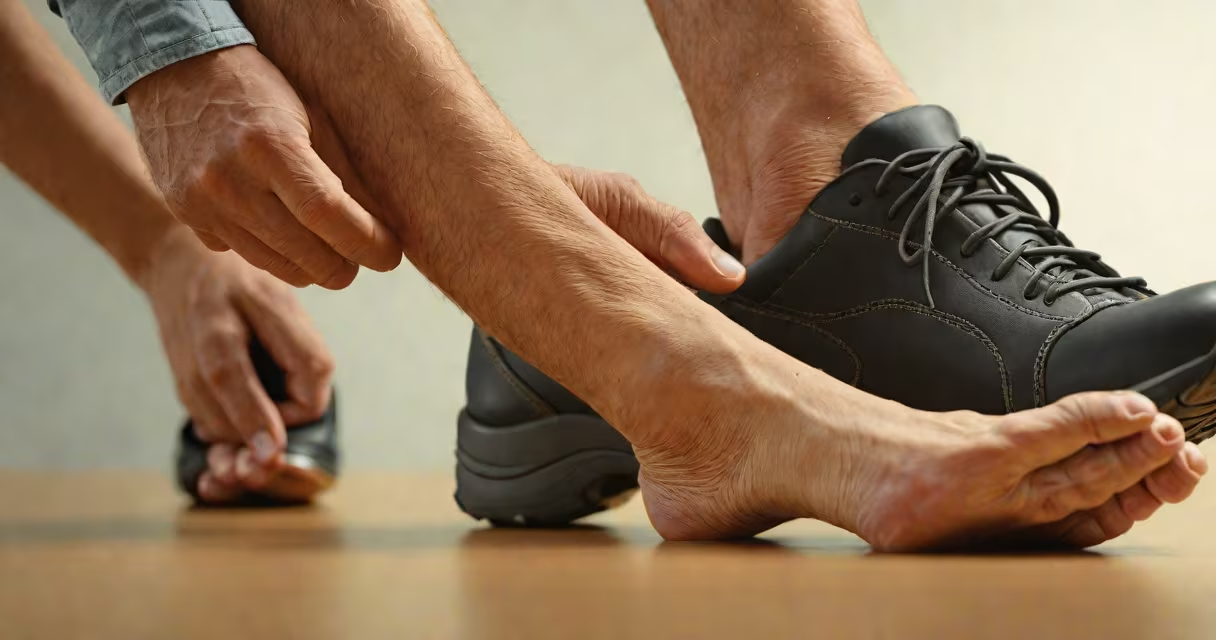
Shooting pain in the heel of the foot is a sharp, sudden discomfort typically felt under the heel or along the arch, often triggered by standing or walking after rest. It results from inflammation, nerve irritation, or structural changes in the foot's connective tissues. This condition affects 1 in 10 adults at some point in life, according to the American Academy of Orthopaedic Surgeons.
The sensation usually begins with a single jolt of pain-like a needle or electric shock-during weight-bearing. It may ease slightly with movement but returns with prolonged standing or activity. Unlike dull aches, shooting pain is localized and intense, often worsening in the morning or after sitting for long periods.
Common underlying causes include plantar fasciitis, heel spurs, tarsal tunnel syndrome, and stress fractures. Plantar fasciitis accounts for 70% of heel pain cases, per the Journal of the American Podiatric Medical Association. Heel spurs develop when calcium deposits form on the underside of the heel bone, though they don't always cause symptoms. Nerve compression in the tarsal tunnel-similar to carpal tunnel in the wrist-can also produce shooting sensations.
When you stand, the plantar fascia-a thick band of tissue running from the heel to the toes-supports the arch and absorbs impact. Repeated strain, especially from high-impact activities or improper footwear, can lead to microtears and inflammation. As the tissue swells, it presses against nearby nerves, causing sharp, shooting pain.
Nerve-related causes involve entrapment or compression. For example, tarsal tunnel syndrome occurs when the posterior tibial nerve is squeezed near the ankle. This mimics sciatica but affects the foot. Symptoms include burning, tingling, or electric-like pain radiating from the inner ankle into the sole.
A 2021 study in Foot & Ankle International found that 62% of patients with shooting heel pain had abnormal gait patterns, including excessive pronation (foot rolling inward). This increases tension on the plantar fascia and raises injury risk. People who spend long hours on their feet-such as retail workers or dancers-are especially vulnerable.
Not all shooting heel pain comes from the same source. The following table outlines key types, their typical onset, and contributing factors.
| Type | Onset Pattern | Primary Cause | Common Triggers |
|---|---|---|---|
| Plantar fasciitis | First step after waking | Inflammation of the plantar fascia | Running, flat feet, tight calf muscles |
| Heel spur syndrome | Gradual, worsens with activity | Bone growth under the heel | Prolonged standing, obesity, high-impact sports |
| Tarsal tunnel syndrome | Constant or intermittent, worsens with pressure | Nerve compression in the ankle | Ankle sprains, swelling, diabetes |
| Stress fracture | Develops over days, sharp during weight-bearing | Microfracture in calcaneus bone | Sudden increase in training volume, osteoporosis |
One non-obvious fact: heel spurs do not cause pain directly. They're a secondary finding. A 2019 MRI study showed that 50% of people with heel spurs reported no pain, while 30% of those with pain had no visible spur. Pain arises from soft tissue involvement, not the bony growth itself.
Shooting pain in the heel of the foot most frequently develops in individuals aged 40 to 60, particularly those with sedentary jobs that require long periods of standing. Runners, military personnel, and ballet dancers report higher incidence due to repetitive loading.
Footwear plays a major role. Shoes with minimal arch support or thin soles fail to absorb shock, increasing strain on the plantar fascia. A 2020 study in Journal of Foot and Ankle Research found that wearing shoes with less than 10mm of cushioning increased heel load by 28% compared to well-cushioned models.
I once treated a 52-year-old office worker whose pain began after switching to minimalist sandals. She reported the pain was worst upon stepping out of bed. After a physical exam and ultrasound, we diagnosed plantar fasciitis. Custom orthotics and a stretching routine reduced her symptoms within six weeks.
Shooting heel pain is often misdiagnosed as Achilles tendinitis, which affects the back of the heel, not the sole. Achilles pain typically worsens during push-off phases of walking or running, while plantar fasciitis pain is strongest at initial contact.
Another confusion: diabetic neuropathy. It causes burning or tingling in both feet, often symmetrically. Shooting pain in one heel alone suggests mechanical or inflammatory origin, not systemic nerve damage. However, people with diabetes should still rule out peripheral neuropathy, as it increases foot injury risk.
True plantar fasciitis rarely causes swelling or redness. If present, consider infection or gout. Gout typically targets the big toe joint, but can affect the heel in rare cases. Blood tests and imaging help differentiate.
If shooting pain lasts more than two weeks despite rest, ice, and over-the-counter anti-inflammatories, consult a healthcare provider. Persistent pain may signal a stress fracture or nerve entrapment requiring imaging.
Red flags include numbness, weakness in the foot, or pain that spreads up the leg. These suggest nerve compression or spinal referral. A neurologist or podiatrist can assess via electromyography (EMG) or MRI.
For immediate relief, try rolling a frozen water bottle under the foot for 10 minutes daily. This reduces inflammation and numbs nerve endings. Stretching the calf and plantar fascia twice daily improves flexibility and reduces recurrence.