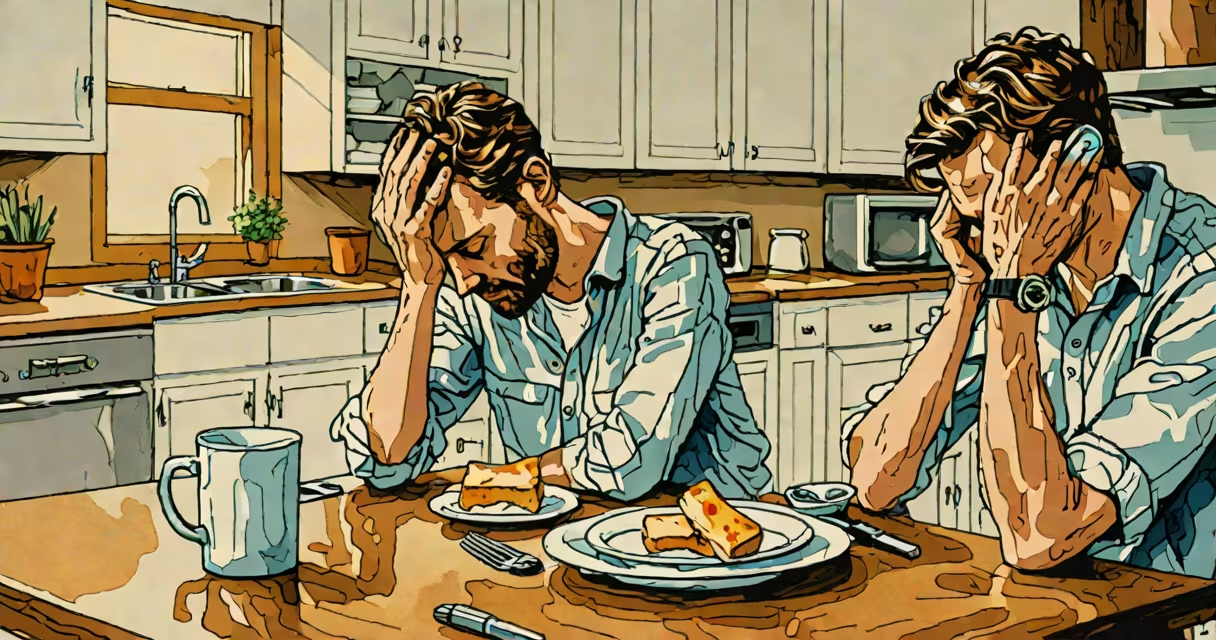
Telling your partner you cheated is a decision with lasting emotional, relational, and psychological consequences. It may lead to healing or irreversible damage, depending on timing, context, and both partners' readiness to confront the truth.
Infidelity disclosure is not a single act-it's a process involving accountability, emotional labor, and often professional support. Whether to disclose depends less on moral absolutes and more on the specific dynamics of your relationship, your capacity for remorse, and your partner's ability to process trauma.
Experts emphasize that transparency is not automatically healing. A 2021 study published in the Journal of Marital and Family Therapy found that 63% of individuals who disclosed affairs reported initial increases in relationship distress, even when the partner chose to stay. Disclosure without preparation or follow-up can deepen wounds rather than close them.
When someone confesses to cheating, the reaction is rarely binary-"they'll forgive me" or "they'll leave." Instead, responses fall along a spectrum: shock, anger, numbness, bargaining, and eventually, a decision to continue or end the relationship.
The act of telling is not the endpoint. It begins a cycle of negotiation: the cheater must accept responsibility, the betrayed partner processes grief, and both assess whether rebuilding trust is possible. This phase can last months or years, especially if the betrayal involved secrecy, deception, or multiple incidents.
A 2020 survey by the American Association for Marriage and Family Therapy (AAMFT) showed that couples who engaged in therapy after disclosure were 4.2 times more likely to remain together than those who did not. The presence of a trained therapist helped both partners regulate emotions and set boundaries during the recovery period.
Not all acts of infidelity carry equal weight. The nature of the breach affects how seriously it's perceived-and how difficult recovery becomes.
| Type of Infidelity | Common Emotional Response | Recovery Time Estimate |
|---|---|---|
| Emotional affair (intense intimacy without sex) | Feelings of betrayal, loss of exclusivity | 6-12 months |
| Sexual affair (physical contact with another) | Shame, guilt, fear of abandonment | 12-24 months |
| Multiple partners or ongoing pattern | Distrust, identity confusion | 24+ months |
| One-time incident with low emotional investment | Surprise, disappointment, but higher forgiveness rate | 3-6 months |
These timelines reflect average durations from clinical studies, not guarantees. Individual differences in attachment style, communication patterns, and history of conflict heavily influence outcomes.
For example, a man in his late 30s who had a brief physical encounter during a work trip reported feeling intense shame afterward. He waited six weeks before disclosing, hoping the memory would fade. When he finally told his wife, she reacted with disbelief and later left him. She later said, "I didn't feel lied to until he admitted it. The silence was worse."
Many assume that honesty is always better than concealment. But withholding the truth can create a different kind of harm-one rooted in eroded trust, anxiety, and eventual exposure through third parties.
Some believe that if they don't admit it, the relationship can survive. In reality, discovery via text messages, photos, or a friend's comment often leads to more severe emotional fallout than a direct confession. A 2019 study in the journal *Personal Relationships* found that 78% of betrayed partners learned of affairs through indirect means, and 61% reported greater difficulty forgiving than when the truth came directly from the cheater.
Another myth is that disclosure automatically triggers reconciliation. The opposite is often true. A partner may choose to stay for reasons of stability, children, or financial dependence-but that doesn't mean they've healed. Research from the National Institute of Mental Health shows that 40% of relationships that survived disclosure ended within five years due to unresolved resentment and emotional distance.
There is no universal rule. But certain conditions increase the chances of a constructive outcome:
If you're uncertain, consider this: Would you want to hear the truth from someone you love? If yes, then the act of telling may be necessary-not for their sake, but for your own integrity.
I once sat in a therapy session with a woman who had hidden her affair for eight years. Her partner discovered it through a deleted email chain. When she finally confessed, he said, "I don't care if you did it. I care that you kept lying." That moment wasn't about the act-it was about the erosion of trust over time.
After disclosure, the path forward splits. Some couples move toward repair. Others begin the slow process of separation. Neither choice is inherently right or wrong.
Healing requires consistent effort. The cheater must demonstrate changed behavior, not just words. The betrayed partner must decide whether they can tolerate the pain of remembering. Both must agree on boundaries, privacy, and how to handle future conflicts.
One client I worked with-married for 14 years-told me he'd been considering disclosure for two years. He finally spoke during a weekend retreat focused on relationship wellness. His wife left the next day. But he said, "I finally felt free. Not because she stayed, but because I stopped hiding."
Disclosure is not a test of love. It's a test of courage, accountability, and willingness to face consequences. If you're asking "should I tell my partner I cheated," the answer lies not in logic alone, but in your values, your readiness, and your understanding of what honesty truly costs.