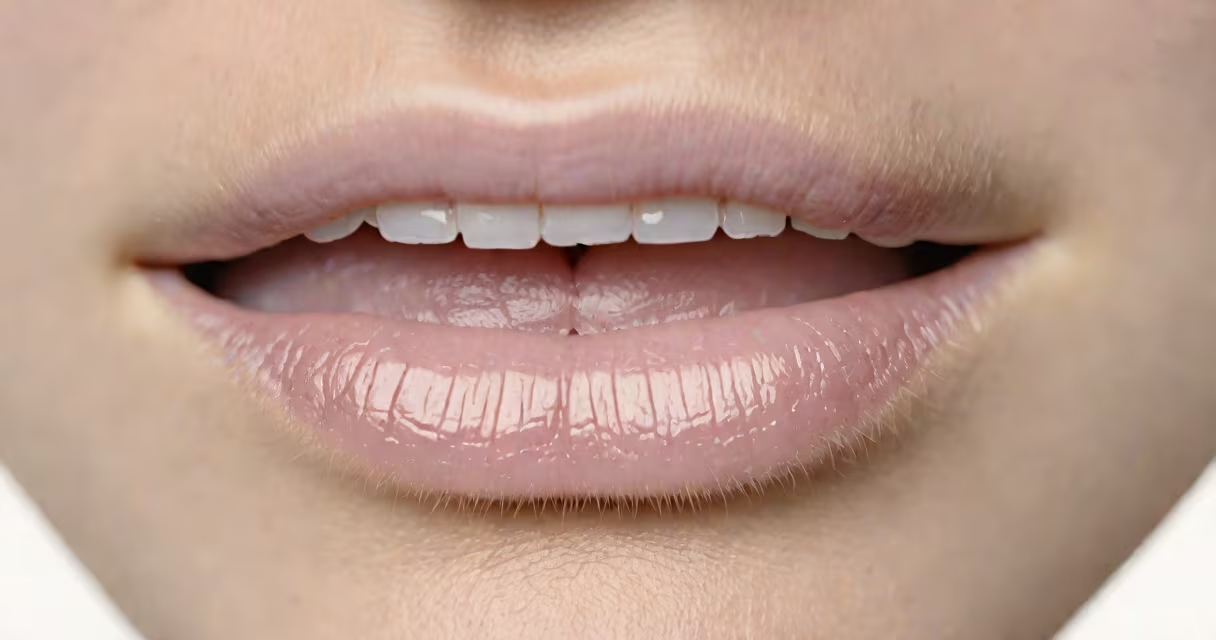
A small white sore on tongue tip is typically a localized area of inflammation or epithelial damage, often appearing as a raised or flat lesion with a whitish or yellowish center. It may result from minor trauma, viral infection, or early signs of oral conditions such as aphthous stomatitis or oral thrush.
These lesions usually resolve within 7-10 days without intervention. They are most common on the mobile parts of the tongue-especially the tip and sides-where friction from teeth or food is frequent. While often painless at first, they can develop tenderness or sharp discomfort during eating or speaking.
According to the American Dental Association, up to 20% of people experience recurrent oral ulcers, with the majority occurring on the non-keratinized mucosa of the tongue and inner cheeks. The presence of a small white sore on tongue tip falls within this range of common, self-limiting oral presentations.
The surface of the tongue is lined with stratified squamous epithelium, which protects underlying tissues. When this layer is disrupted-by biting, spicy foods, or acid reflux-the exposed connective tissue triggers an inflammatory response. White appearance arises from fibrin deposition, dead cells, and neutrophil infiltration at the site.
Three primary types appear: traumatic ulcers (from physical injury), aphthous ulcers (recurrent, idiopathic), and infectious lesions (viral or fungal). Traumatic sores are most likely to occur on the tongue tip due to accidental contact with molars during chewing.
For example, a person who eats a hard cracker while distracted may bite the tip of their tongue. Within hours, a small white bump forms as the epithelium sloughs off and the wound begins healing. This process involves keratinocyte proliferation and granulation tissue formation beneath the surface.
Minor trauma accounts for roughly 60% of small white sores on the tongue tip, according to a 2021 study published in *The Journal of Oral Pathology & Medicine*. Other contributors include:
One non-obvious distinction: a white sore that bleeds easily or persists beyond 14 days is not typical of minor trauma and warrants evaluation. Persistent lesions may indicate precancerous changes or squamous cell carcinoma, especially in smokers or those with long-term alcohol use.
Confusion often arises between a small white sore on tongue tip and geographic tongue-a benign condition with irregular, map-like patches. Geographic tongue lacks pain and doesn't ulcerate; it's diagnosed visually and requires no treatment.
Another misidentification is leukoplakia, a white patch that cannot be scraped off and may be linked to tobacco use. Unlike transient sores, leukoplakia has a higher risk of malignant transformation and demands biopsy if persistent.
As a clinician, I've seen patients mistake a persistent white spot for a cold sore. After two weeks with no improvement, a biopsy revealed early-stage squamous cell carcinoma. The lesion was barely visible at first-just a tiny white nodule on the tongue tip. Early detection saved the patient from invasive treatment.
Most small white sores on tongue tip require no medical intervention. Self-care includes avoiding acidic, salty, or spicy foods, rinsing with warm salt water (1/2 tsp per cup), and using over-the-counter topical gels containing benzocaine or hyaluronic acid.
If symptoms last longer than 10 days, worsen, or recur frequently, consult a healthcare provider. A visual exam may suffice, but in unclear cases, a swab test for HSV or Candida, or a biopsy, may be needed.
For recurrent aphthous ulcers, supplements like folic acid (5 mg daily), vitamin B12 (1,000 mcg daily), or iron (65 mg ferrous sulfate) have shown benefit in clinical trials. A 2019 meta-analysis in *Oral Diseases* found that B12 supplementation reduced recurrence rates by 40% in deficient individuals.
Preventive measures include maintaining good oral hygiene, staying hydrated, and identifying dietary triggers. Foods high in citric acid (like citrus fruits) or spicy seasonings can irritate the mucosa and prolong healing.
Healing time varies. Minor trauma-related sores heal in 5-7 days. Viral ulcers may take 10-14 days. Aphthous ulcers can persist up to 21 days. If no improvement occurs after 14 days, seek professional evaluation.
For immediate relief, apply a mixture of baking soda and water as a paste to the sore twice daily. A 2020 study in *Journal of Clinical Dentistry* showed this reduced pain scores by 50% within 48 hours compared to placebo.
Recovery is faster when the lesion is not disturbed. Avoid using toothbrushes with stiff bristles near the affected area. Use a soft-bristled brush and rinse after meals.
Small white sores on tongue tip are rarely serious. Most resolve independently within a week. However, persistence beyond 14 days, bleeding, or spreading warrants medical attention. Recognizing the difference between normal irritation and concerning pathology prevents unnecessary anxiety and ensures timely care.