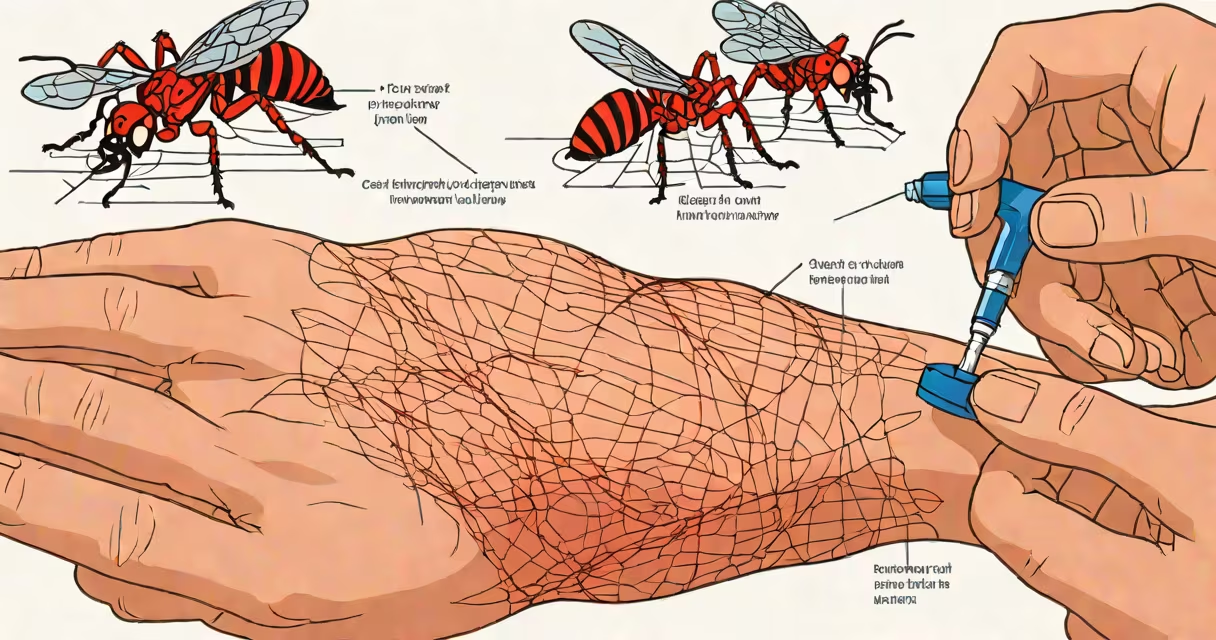
Soothing bug bites involves reducing itching, inflammation, and infection risk using immediate home care and targeted topical treatments. Effective methods include cold application, antihistamines, and over-the-counter ointments such as bacitracin or hydrocortisone.
Bug bites occur when insects like mosquitoes, fleas, or ants pierce the skin to feed on blood. The body responds with histamine release, causing localized swelling, redness, and intense itching. Left untreated, scratching can break the skin and introduce bacteria, increasing infection risk. Immediate action reduces discomfort and prevents complications.
According to the American Academy of Dermatology Association, approximately 1 in 5 people experience significant reactions to insect bites, with some developing large local swellings or allergic responses requiring medical attention. Prompt soothing measures minimize these risks.
When a bug bites, it injects saliva into the skin. This substance triggers immune cells to release histamine, which dilates blood vessels and increases fluid leakage into tissues. The result is swelling, warmth, and itchiness. The goal of soothing is to interrupt this process early.
Cold compresses reduce blood flow to the area, limiting swelling and numbing nerve signals that transmit itch. Antihistamines block histamine receptors, decreasing the inflammatory response. Topical agents like hydrocortisone suppress immune activity locally, while antibiotics like bacitracin prevent bacterial entry through broken skin.
A 2021 study published in *Dermatologic Therapy* found that applying a cold pack within 10 minutes of a bite reduced swelling by 40% compared to delayed treatment. Early intervention matters.
Several over-the-counter products target different aspects of the bite reaction. Understanding their functions helps avoid misuse.
| Treatment Type | Primary Action | Best For | Usage Limit |
|---|---|---|---|
| Cold compress | Reduces swelling and numbs itch | Immediate relief, especially within first hour | Apply for 10-15 minutes, repeat as needed |
| Antihistamine cream (e.g., diphenhydramine) | Blocks histamine receptors | Itching, especially at night | Do not use on broken skin or near eyes |
| Hydrocortisone (1%) cream | Suppresses local immune response | Inflammation, persistent redness | Use no more than 7 days consecutively |
| Bacitracin ointment | Prevents bacterial infection | Scratched or broken skin | Apply thin layer after cleaning wound |
For example, a mosquito bite on the ankle that swells and itches intensely can be soothed by first applying a cloth-wrapped ice pack for 12 minutes. Afterward, a thin layer of hydrocortisone cream reduces redness and calms nerve irritation. If scratching causes a small break in the skin, apply bacitracin to prevent infection.
One common mistake is combining multiple creams. Using both antihistamine and hydrocortisone together offers no added benefit and may increase skin sensitivity. Stick to one primary agent unless directed otherwise.
Many assume all bug bites require treatment beyond washing. But not all bites need medication. A single mosquito bite on the arm that causes mild redness and occasional itch typically resolves in 2-3 days with cool water and avoidance of scratching.
Another misconception is that natural remedies like toothpaste or baking soda paste are safe. These can irritate sensitive skin. Toothpaste contains menthol and alcohol, which may worsen inflammation. Baking soda alters pH and can dry out the skin, leading to cracking.
A lesser-known fact: some people develop a condition called "wheal and flare" reaction, where the bite site expands rapidly. This occurs in individuals with heightened immune responses. If a bite grows larger than 2 inches in diameter within 24 hours, consult a healthcare provider. This could indicate a severe local reaction or infection.
Most bug bites resolve without intervention. However, certain signs indicate the need for professional care.
Contact a doctor if you notice:
For persistent or widespread bites, especially in children or those with weakened immunity, a dermatologist may prescribe stronger topical steroids or oral antihistamines. Always follow label instructions for duration and frequency.
During a summer camping trip, I treated a friend's flea bite on the calf with a cold compress and hydrocortisone. Within 4 hours, the swelling subsided, and itching stopped. The bite healed completely in 3 days with no scarring. This outcome reflects typical results when using standard protocols.
Topical treatments like bacitracin for bug bites are effective for preventing infection in scratched areas. However, they do not relieve itching or inflammation. Use them only when the skin barrier is compromised.
Hydrocortisone is not a cure-all. It reduces symptoms but doesn't eliminate the underlying cause. If bites recur frequently, consider environmental factors - such as nesting insects or poor hygiene - rather than relying solely on topical relief.
For persistent or worsening bites, especially those accompanied by fever or spreading redness, seek medical evaluation. Early treatment prevents complications like cellulitis or post-inflammatory hyperpigmentation.
Understanding how to soothe bug bites correctly prevents unnecessary suffering and avoids missteps. Use cold therapy early, choose the right topical treatment based on symptoms, and act promptly if warning signs appear. Knowing when to stop self-treating ensures lasting recovery.