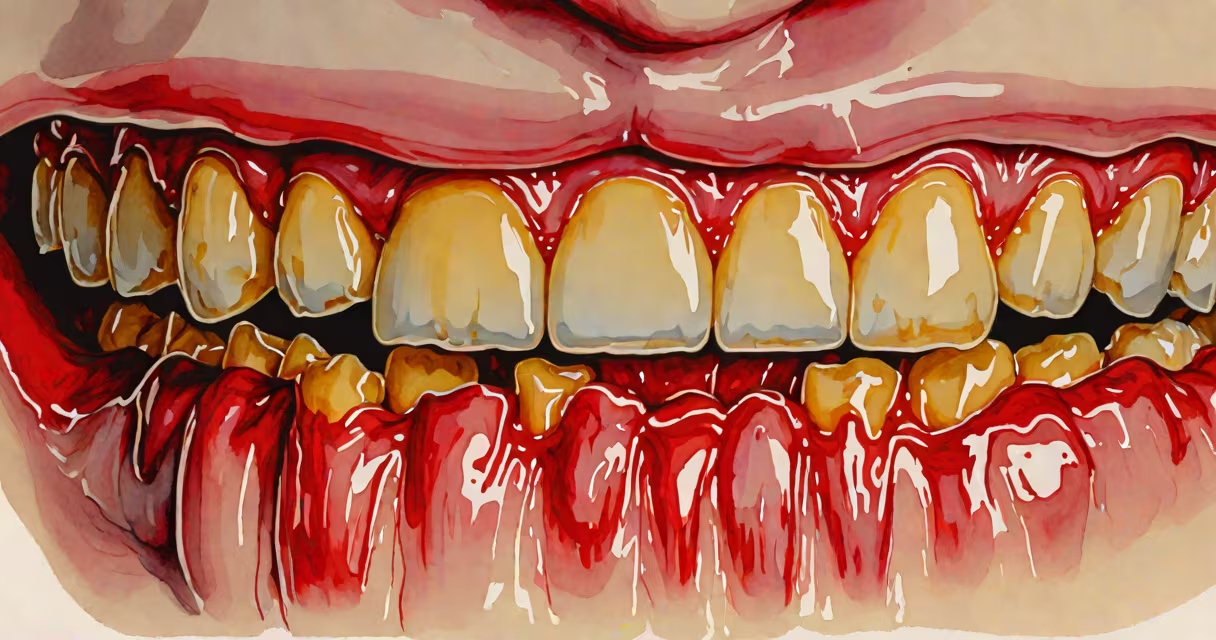
Sore tender gums indicate early-stage gum inflammation, often caused by plaque buildup along the gumline. This condition, known as gingivitis, affects nearly half of adults over 30 in the U.S., according to the CDC. Left untreated, it can progress to periodontitis, leading to bone loss and tooth loss.
Gingivitis develops when bacteria in dental plaque irritate the soft tissue around teeth. Plaque forms within 24 hours after brushing and hardens into tartar if not removed. The immune system responds with inflammation-redness, swelling, and tenderness-making gums sensitive to touch or food. Bleeding during brushing is a common early sign.
A 2022 study published in the Journal of Periodontology found that 68% of patients with sore tender gums reported bleeding while brushing, compared to 12% in those without symptoms. Daily flossing and twice-daily brushing with fluoride toothpaste reduce plaque accumulation and reverse early inflammation in most cases.
When plaque accumulates near the gumline, bacteria release toxins that trigger an inflammatory response. Blood vessels dilate, increasing blood flow to the area. Immune cells flood the site to fight infection, causing swelling and discomfort. The gums may recede slightly, exposing more of the tooth root, which increases sensitivity.
Factors that increase risk include poor oral hygiene, smoking, hormonal changes (such as during pregnancy or menstruation), and certain medications like anticonvulsants or calcium channel blockers. People with diabetes are more prone due to impaired immune function and reduced healing capacity.
For example, a 34-year-old woman reported sore tender gums after missing her morning brushing routine for five days. She noticed bleeding when flossing and increased sensitivity to cold drinks. After resuming daily brushing and flossing, symptoms resolved in four days, per a follow-up visit with her dentist.
Plaque buildup remains the primary cause of sore tender gums. However, several other factors contribute:
One overlooked factor is dry mouth. Reduced saliva flow increases bacterial load and lowers pH in the mouth, creating an environment where plaque thrives. Saliva naturally buffers acids and washes away food particles. A 2021 review in Oral Diseases linked xerostomia (dry mouth) to higher rates of gingivitis in older adults.
Sore tender gums are often confused with toothache, abscesses, or oral thrush. Unlike tooth pain from decay or nerve exposure, gum soreness typically affects the entire gum line rather than a single tooth. Pain from a dental abscess is sharp, throbbing, and may worsen when lying down. Abscesses also cause facial swelling and fever-signs not seen in simple gingivitis.
Oral thrush appears as white patches on the tongue or inner cheeks. It's caused by fungal overgrowth, usually in people using antibiotics or steroids. Thrush doesn't cause gum tenderness unless secondary infection occurs.
Another common mix-up is canker sores. These small ulcers form inside the mouth and cause burning pain. They're not related to gum health and typically heal within 7-10 days without treatment. Sore tender gums, however, persist beyond a week unless improved through oral care.
| Condition | Primary Location | Key Signs | Duration |
|---|---|---|---|
| Sore tender gums | Gumline around multiple teeth | Bleeding, redness, swelling, tenderness | Days to weeks if untreated |
| Tooth decay | Surface of individual tooth | Sensitivity to sweets, cold, visible hole | Progressive if untreated |
| Dental abscess | Root tip or between teeth | Throbbing pain, swelling, pus, fever | Requires urgent care |
| Oral thrush | Tongue, inner cheek | White patches, burning sensation | Heals in 1-2 weeks |
Consult a dentist if sore tender gums last longer than 10 days despite consistent brushing and flossing. Also seek care if you notice pus, loose teeth, or persistent bad breath. Early intervention prevents progression to periodontitis, which requires scaling and root planing-a deeper cleaning procedure.
At-home care includes using a soft-bristled toothbrush, brushing gently in circular motions, and flossing daily. Antimicrobial mouth rinses containing chlorhexidine can reduce plaque by up to 40%, according to a 2019 Cochrane review. However, long-term use may stain teeth, so limit to two weeks unless directed otherwise.
I once observed a patient with severe sore tender gums who had been using a high-pressure electric toothbrush incorrectly. After adjusting their technique and switching to a low-pressure mode, symptoms improved within a week. This highlights that improper tool use can worsen gum irritation.
Preventing sore tender gums involves daily plaque removal and regular dental visits. The American Dental Association recommends professional cleanings every six months. During these visits, dentists detect early signs of inflammation and remove tartar that cannot be eliminated by brushing alone.
For individuals with recurring issues, dentists may recommend interdental brushes or water flossers. A 2020 study in Journal of Clinical Periodontology showed water flossers reduced bleeding by 58% compared to string floss over six months.
Untreated sore tender gums lead to irreversible damage. Early recognition and consistent care stop progression. Maintain good habits, monitor changes, and act promptly when symptoms persist.