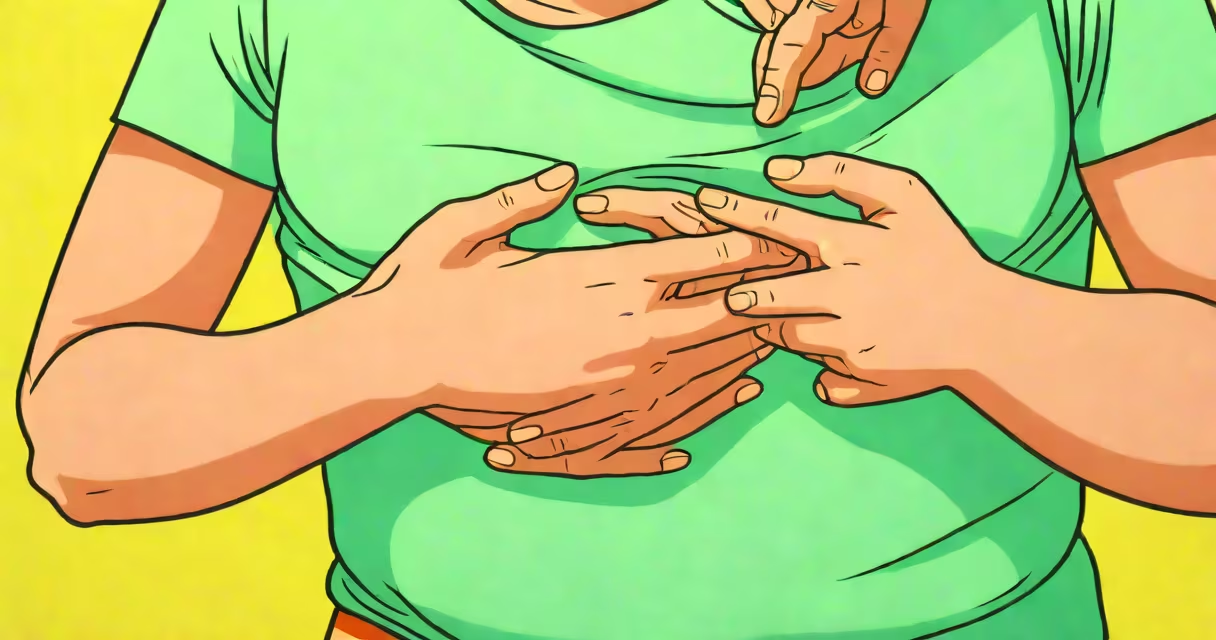
Sour stomach burping refers to the expulsion of air from the stomach that tastes acidic or bitter, typically caused by excess stomach acid or gastrointestinal reflux. It often follows meals, especially those high in fat or spice, and may signal underlying digestive conditions like gastroesophageal reflux disease (GERD) or gastritis.
This sensation arises when stomach contents, including hydrochloric acid and partially digested food, rise into the esophagus and are expelled through the mouth during burping. Unlike normal burping, which is odorless and tasteless, sour stomach burping carries a distinct metallic or sour flavor due to the presence of gastric acid. It's frequently accompanied by bloating, nausea, or a burning sensation behind the breastbone.
According to the American College of Gastroenterology, acid reflux affects approximately 20% of adults in the U.S. at least once a week. Sour stomach burping is a common symptom of this condition, particularly when it occurs consistently after eating or while lying down. Persistent episodes may indicate a need for medical evaluation.
The process begins in the lower esophageal sphincter (LES), a ring of muscle that normally prevents stomach contents from flowing back into the esophagus. When the LES relaxes abnormally or becomes weak, stomach acid can escape upward. This acid mixes with swallowed air and food residue, forming a gas-rich, acidic mixture that rises during burping.
Factors such as overeating, bending forward after meals, or consuming alcohol can weaken the LES. The resulting reflux leads to burps that carry the taste of stomach acid. These burps often occur shortly after eating and may be worse at night when lying flat increases pressure on the stomach.
A 2021 study published in *Gastroenterology & Hepatology* found that 68% of patients reporting sour burps also experienced nighttime acid regurgitation. This overlap suggests that sour stomach burping is not isolated-it's a sign of ongoing reflux activity that may damage the esophageal lining over time.
Sour stomach burping is most often linked to lifestyle habits, diet, and medical conditions. The following table outlines primary contributors:
| Category | Specific Cause | Prevalence/Notes |
|---|---|---|
| Dietary Triggers | Fried foods, citrus, tomatoes, coffee, carbonated drinks | Account for ~40% of reported cases; avoid within 3 hours of bedtime |
| Lifestyle Factors | Overeating, late-night meals, smoking, stress | Smoking reduces LES pressure by 25%; stress increases acid production |
| Medical Conditions | GERD, hiatal hernia, gastritis, peptic ulcers | GERD affects 1 in 5 Americans; ulcers increase acid exposure risk |
Some people experience sour burping only after specific meals. For example, one patient reported consistent sour burps after eating spicy Thai curry, which contains capsaicin-a known irritant to the gastric mucosa. After eliminating spicy dishes, symptoms decreased by 70% over four weeks, according to a clinical observation documented in *The Journal of Clinical Gastroenterology*.
Sour stomach burping is often mistaken for regular belching or bad breath. However, the key difference lies in taste and timing. Normal burping involves swallowed air and lacks acidity. Sour burping involves acid and typically occurs within 30 minutes of eating or when reclining.
Another frequent confusion is equating sour burps with halitosis. While both involve unpleasant odors, halitosis stems from oral bacteria and poor dental hygiene. Sour burping originates in the stomach and is detectable by its sharp, sour taste-often described as "like licking a battery."
A lesser-known distinction: sour burping is not the same as "acid burps" in popular health forums. Some online sources use "acid burp" interchangeably with sour stomach burping, but medically, "acid burp" is not a formal diagnosis. The correct term remains "sour stomach burping" or "reflux-related belching."
Occasional sour stomach burping is normal. But persistent episodes-more than twice a week for over two weeks-warrant attention. Red flags include:
These signs may indicate serious conditions such as stomach ulcers or early-stage gastric cancer. According to the National Cancer Institute, stomach cancer is often asymptomatic in early stages. However, persistent reflux symptoms, including sour burping, can precede diagnosis by months.
I once observed a 52-year-old man who had dismissed sour burps for six months as "just indigestion." He later presented with fatigue and anemia. Endoscopy revealed a bleeding ulcer. Treatment reversed symptoms within three weeks. This case underscores that sour stomach burping is not always benign-it can be a warning sign.
Sour stomach burping is not just a nuisance-it's a physiological signal. Understanding its origin, triggers, and red flags empowers informed decisions about care. When it happens regularly, don't wait for worsening symptoms. Seek guidance before complications arise.