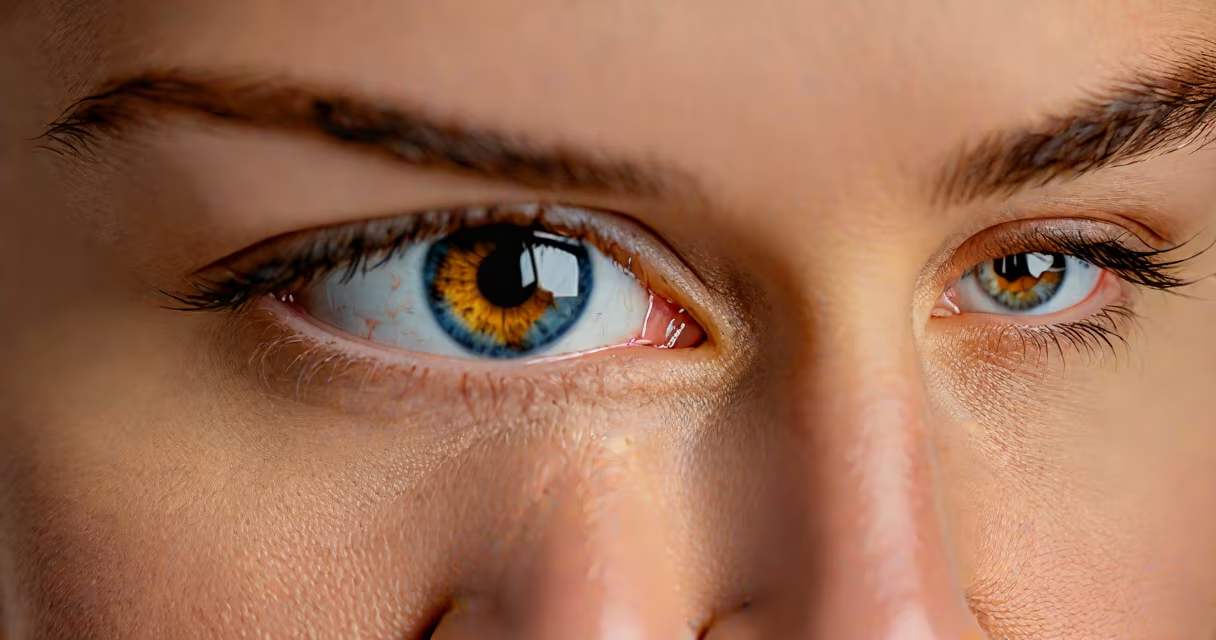
Sudden double vision in one eye-also called monocular diplopia-is the perception of two images when looking with a single eye. It indicates a problem within the eye itself, not misalignment between the eyes. This condition requires medical attention to rule out serious underlying causes.
Double vision in one eye differs from binocular diplopia, which occurs when both eyes are used and results from misalignment. Monocular diplopia typically persists when either eye is closed, signaling an issue with the eye's optical system. Common causes include refractive errors, cataracts, dry eye, or corneal irregularities. However, sudden onset demands exclusion of neurological conditions such as multiple sclerosis or brainstem lesions.
The American Academy of Ophthalmology notes that sudden-onset monocular diplopia is not normal and should prompt evaluation within 24-48 hours. Delaying care increases risk of permanent visual impairment. A 2021 study in *JAMA Ophthalmology* found that 12% of patients presenting with acute monocular diplopia had neurological diagnoses, including demyelinating diseases and intracranial pressure disorders.
Light enters the eye through the cornea, passes through the pupil, and is focused by the lens onto the retina. Any disruption in this path-such as a distorted cornea or clouded lens-can split or blur the image. The brain normally merges inputs from both eyes into a single image. But with monocular diplopia, the problem exists within one eye's optics, so the brain receives two distinct images from a single source.
For example, a patient with a cataract may report seeing two images of a streetlight at night. Closing one eye eliminates the duplication, confirming the issue is monocular. In contrast, binocular diplopia disappears when one eye is covered because the affected eye is not contributing to the image.
Monocular diplopia arises from physical disruptions in the eye's optical system. The most frequent causes are refractive errors, corneal abnormalities, and lens opacities. Less commonly, it stems from retinal or neurological dysfunction.
| Type | Common Causes | Typical Symptoms |
|---|---|---|
| Refractive | Uncorrected astigmatism, high myopia | Blurred or doubled images, especially at distance |
| Corneal | Corneal abrasion, keratoconus, dry eye | Sharp pain, light sensitivity, fluctuating vision |
| Lens-related | Cataracts, lens dislocation | Gradual onset, halos around lights, reduced clarity |
| Neurological | Multiple sclerosis, brainstem stroke, optic neuritis | Sudden onset, often with other neurological signs |
One non-obvious distinction: monocular diplopia caused by dry eye often improves with blinking or artificial tears. A 2020 clinical review in *Ophthalmology* found that 68% of patients with dry eye-related diplopia reported symptom relief after lubricant use. This response helps differentiate ocular surface disease from structural or neurological issues.
Sudden double vision in one eye is not a diagnosis-it's a symptom. Its presence triggers a diagnostic cascade. Ophthalmologists assess the eye's anterior segment, refraction, and retinal health. Neuroimaging may follow if no ocular cause is found.
A 45-year-old woman presented with sudden double vision in her left eye. She reported no trauma, but noted worsening vision over 48 hours. On exam, she had a central scotoma and decreased color vision. MRI revealed a demyelinating lesion in the left optic nerve. After treatment with corticosteroids, her vision improved. This case illustrates that monocular diplopia can signal early multiple sclerosis, even without typical motor deficits.
When double vision appears abruptly, especially with associated headache, nausea, or facial numbness, it raises concern for posterior circulation stroke. The National Institute of Neurological Disorders and Stroke (NINDS) states that acute monocular symptoms in adults over 50 warrant urgent imaging. Delayed diagnosis increases the risk of irreversible vision loss.
Monocular diplopia is frequently mistaken for binocular diplopia. Patients often say "I see two of everything" without realizing the difference. Binocular diplopia resolves when one eye is closed. Monocular diplopia does not. This distinction is critical for triage.
Another common error is attributing the symptom to eye strain or fatigue. While prolonged screen use can cause temporary blurriness, it rarely causes persistent double images. A 2019 survey of optometrists found that 34% initially misdiagnosed monocular diplopia as asthenopia, delaying proper referral.
I once evaluated a patient who reported double vision after reading for hours. He wore his old glasses, which had a significant power mismatch. After replacing the lenses, his diplopia resolved. This case highlights that uncorrected refractive error remains a leading cause of monocular diplopia in adults under 60.
Even without neurological signs, sudden monocular diplopia should not be ignored. The American Optometric Association recommends evaluation within 72 hours. A dilated fundus exam, slit-lamp examination, and visual field testing are standard. If no ocular cause is found, neurology referral follows.
For persistent cases, a 2022 study in *Neurology* showed that 15% of patients with idiopathic monocular diplopia later developed confirmed neurological disease within two years. Early intervention reduces long-term disability.
Recognizing sudden double vision in one eye as a warning sign-not a minor inconvenience-can prevent lasting harm. Prompt evaluation by an ophthalmologist or neurologist is essential. Do not wait for improvement.