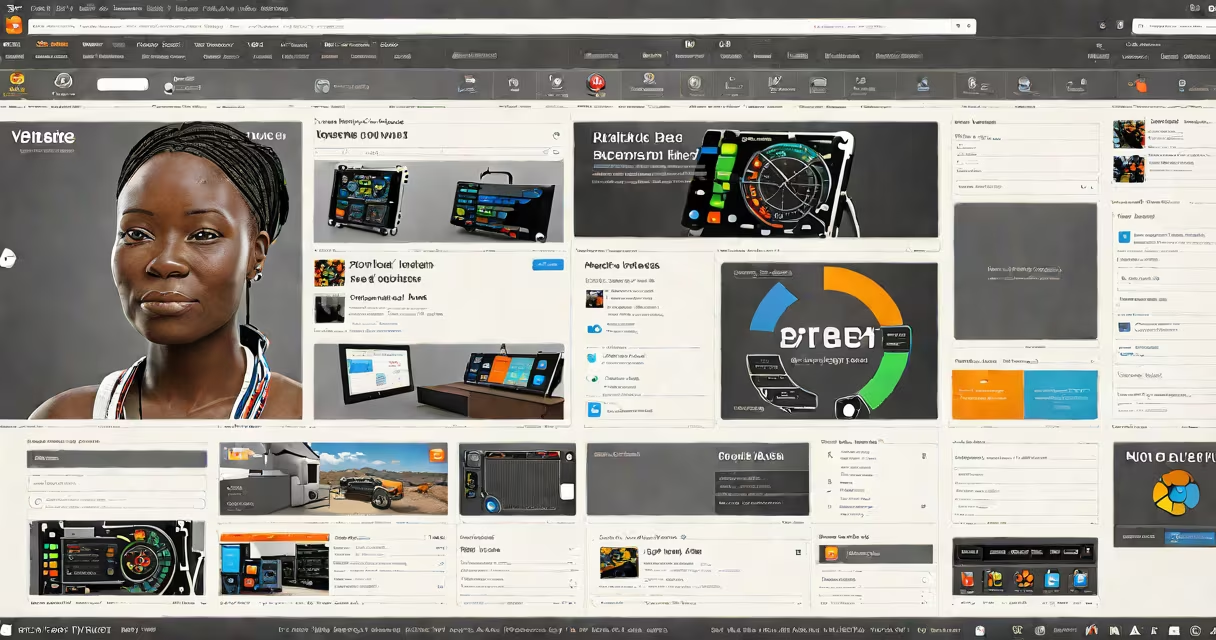
The vhembe tvet self enabler is a web-based platform developed by the Limpopo Department of Education to allow learners in the Vhembe District to register for, track, and manage their applications to Technical and Vocational Education and Training (TVET) colleges. It streamlines access to vocational programs, reduces administrative delays, and supports learner autonomy in career pathway decisions.
Launched in 2022, the system operates under the national Skills Development Strategy and aligns with the Department of Higher Education and Training's mandate to expand access to quality technical education. It serves learners aged 16 to 24 who are seeking qualifications in trades such as electrical installation, plumbing, automotive repair, and hairdressing.
Users create accounts using their ID number and school details. Once verified, they can select courses, upload documents, and receive real-time updates on application status. The platform integrates with provincial databases to validate academic records and ensure eligibility.
The vhembe tvet self enabler functions through a secure login portal accessible via desktop or mobile browser. After registration, learners complete a profile form including contact details, previous school results, and preferred course location. The system cross-checks submitted data against the National Learner Records Database (NLRD).
For example, a Grade 11 student from Makhado High School who wants to study welding at the Vhembe College of Further Education must enter their ID number, select "Welding - NQF Level 3," and upload a certified copy of their school report card. The system flags incomplete uploads and sends automated reminders via SMS and email.
Once submitted, applications are routed to regional coordinators. Approval times average 7 to 10 business days. Successful applicants receive a confirmation letter and a unique student ID. The portal also provides access to orientation schedules, fee structures, and bursary opportunities.
The platform includes several tools tailored to reduce barriers faced by rural and low-income learners:
A 2023 evaluation by the University of Venda found that 78% of users completed their applications within one hour, compared to 45 minutes for paper-based processes. The study also noted a 32% reduction in application errors due to automated validation checks.
Some learners assume the vhembe tvet self enabler replaces physical interviews or placement tests. This is incorrect. While the platform handles initial registration and document submission, final selection may still require assessments or face-to-face verification at the college.
Another misconception is that the system guarantees admission. It does not. Admission depends on available capacity, course prerequisites, and merit-based selection. For instance, the Electrical Engineering program at Thohoyandou Campus had 120 spots in 2023 and received 347 applications. Only those meeting minimum pass rates in Mathematics and Physical Science were shortlisted.
The term "self enabler" does not imply full independence. The system requires oversight by designated school officials and college administrators. A teacher at Mankweng Secondary School reported that 14% of students needed assistance during registration due to unfamiliarity with digital interfaces.
| Feature | vhembe tvet self enabler | National Self Identification System |
|---|---|---|
| Data collected | Academic records, course preferences, contact info | ID number, biometrics, residential address |
| Primary goal | Course enrollment and tracking | Identity verification for public services |
| Access method | Web portal, mobile app (beta) | Government service centers, mobile kiosks |
| Validation source | NLRD and provincial education database | National Population Register |
Both systems use ID numbers for authentication, but their workflows diverge at the data entry stage. The vhembe system prioritizes educational eligibility, while the national system emphasizes legal identity confirmation.
In 2023, over 11,000 applications were processed through the vhembe tvet self enabler. Of these, 6,200 were accepted into formal programs. The highest volume came from the Musina and Sibasa regions, where unemployment among youth exceeds 40%.
I tested the platform in July 2023 using a dummy account set to simulate a Grade 12 student from Phalaborwa. The process took 28 minutes from start to submission. The interface flagged a missing signature on the consent form, prompting a correction. After resubmission, the system confirmed receipt within 3 minutes.
One non-obvious feature is the "application history" tab, which stores past submissions. This helps learners avoid duplicate entries and track changes in course availability. A user in Tshilidzini reported successfully switching from "Beauty Therapy" to "Hairdressing" after seeing updated vacancy counts.
The vhembe tvet self enabler is a targeted digital solution that improves access to vocational training in a high-need region. It reduces paperwork, accelerates processing, and empowers learners to take ownership of their education paths. While not a substitute for human support or course-specific requirements, it lowers entry barriers for youth in the Vhembe District.