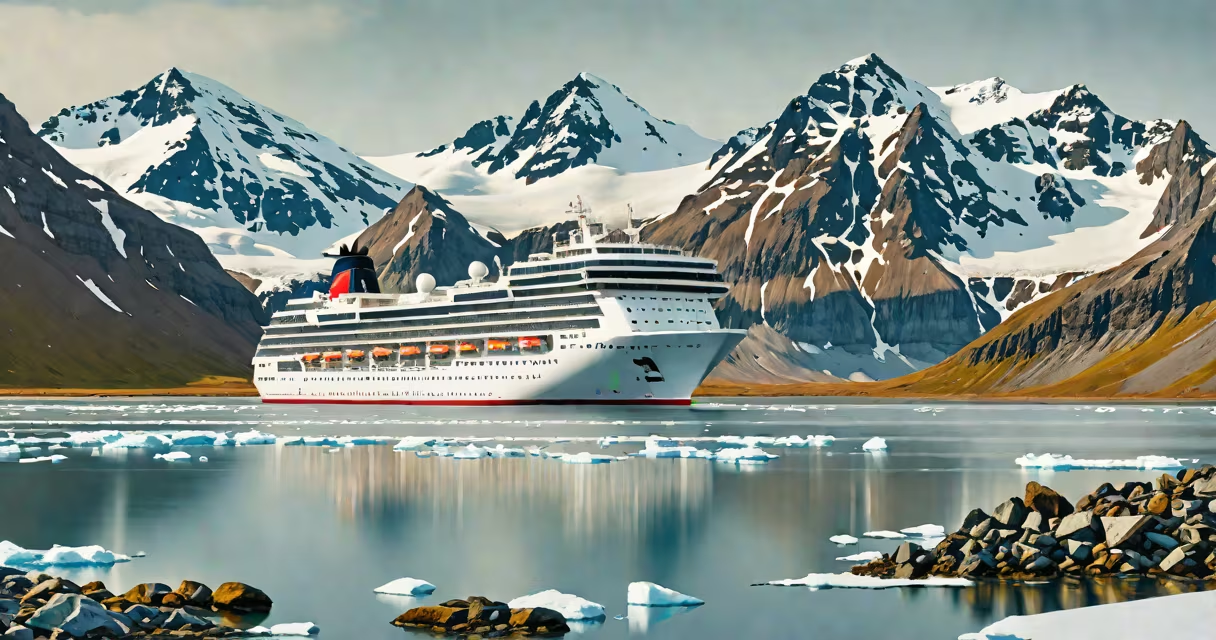
viking expedition cruises are guided, small-ship voyages focused on remote polar regions, including the Arctic and Antarctica. These trips emphasize education, sustainability, and access to untouched landscapes, blending luxury accommodations with hands-on exploration. They operate primarily between May and September, targeting destinations like Svalbard, Greenland, and the Antarctic Peninsula.
These cruises differ from traditional ocean liners by using vessels under 500 passengers, often with ice-strengthened hulls. They prioritize low-impact travel, with strict environmental protocols and reusable gear for landings. The ships feature glass-enclosed lounges, wellness centers, and dedicated lecture spaces. Each voyage includes daily shore excursions led by naturalists, historians, and scientists.
Unlike mass-market cruise lines, Viking Expedition Cruises limit guest numbers to maintain ecological integrity and personal attention. They partner with institutions like the National Geographic Society for educational content, ensuring scientific accuracy and curated experiences. All staff undergo training in environmental stewardship and cultural sensitivity.
Each expedition begins with a detailed itinerary based on seasonal conditions. Ships follow flexible routes, adjusting for weather, ice coverage, and wildlife sightings. This adaptability allows access to places unreachable by larger vessels. For example, in July 2023, the *Viking Polaris* sailed into the Svalbard archipelago, landing at Liefdefjorden despite forecasted fog, thanks to real-time satellite data and local guides.
Expedition days start early. Guests board zodiac inflatables for landings, where they may encounter polar bears, reindeer, or puffins. Onboard lectures cover topics like glacial retreat, indigenous Sami culture, or climate change impacts. A typical session might explore how sea ice loss affects walrus haul-outs, using satellite imagery and field observations.
Evenings feature informal discussions, film screenings, and live music. The crew maintains a 1:6 guest-to-staff ratio, ensuring personalized service. All meals are included, with locally sourced ingredients and dietary options. For instance, during a 2022 voyage to Spitsbergen, guests dined on Arctic char caught by local fishers and served with wild herbs gathered onshore.
Viking Expedition Cruises operate in four primary regions, each with distinct ecosystems and cultural contexts:
| Region | Best Time to Visit | Typical Activities | Unique Features |
|---|---|---|---|
| Arctic (Svalbard, Greenland) | May-August | Polar bear viewing, glacier hikes, dog sledding | Midnight sun, historical whaling sites |
| Antarctic Peninsula | November-March | Whale watching, penguin colonies, kayaking | Icebergs, research stations, Southern Ocean currents |
| Patagonia & Tierra del Fuego | October-April | Glacier calving tours, Andean trekking, native Mapuche visits | Andes mountain ranges, fjords, volcanic terrain |
| Northwest Passage (Canadian Arctic) | July-September | Historical site visits, Inuit storytelling, aurora viewing | First trans-Arctic crossings, rare ice navigation |
Some voyages combine multiple regions. The 2024 *Viking Orion* sailed from Reykjavik to Ushuaia, passing through the North Atlantic and Drake Passage. This 45-day route included stops in Iceland, Jan Mayen, and the South Shetland Islands, offering guests exposure to five distinct biomes.
Many confuse Viking Expedition Cruises with standard river cruises. While Viking operates both, the expedition arm focuses on adventure, science, and remote access. River cruises stay on navigable waterways like the Danube or Rhine, with fixed ports and shorter durations. Expedition cruises require specialized equipment and trained crews for variable conditions.
A common misconception is that these trips are only for experienced travelers. In reality, Viking designs accessibility into every aspect. All zodiac landings are optional, and guests can choose from multiple activity levels. A 2023 survey by the International Association of Antarctic Tour Operators found that 68% of expedition travelers were first-time visitors to polar regions.
Another distinction lies in environmental standards. Viking Expedition Cruises exceed International Maritime Organization guidelines for waste disposal. They use onboard incinerators for organic waste and recycle all plastics. In 2022, the company reported zero discharge incidents across 120 voyages.
The *Viking Polaris* embarked on a 14-day process from Longyearbyen, Norway, to the edge of the Arctic Ocean. The ship carried 220 guests and 110 crew members. Daily activities included a morning hike to a historic coal mine, a visit to a polar bear monitoring station, and a night under the northern lights.
On Day 7, guests boarded zodiacs to explore a calving glacier. A marine biologist explained how ice melt contributes to sea level rise. Data collected during the trip was sent to the Norwegian Polar Institute for analysis. One participant later submitted their notes to a citizen science project on glacial dynamics.
After returning, the group attended a debriefing led by the expedition leader. Topics included climate resilience strategies and the role of tourism in conservation. The experience culminated in a farewell dinner featuring reindeer stew and cloudberries from local harvests.
During my own voyage aboard the *Viking Orion* in 2022, I witnessed a pod of orcas near Cape Horn. The moment was silent except for the crack of ice and the soft hum of the ship's engines. That stillness, combined with the scale of the environment, underscored why these trips aren't just vacations-they're formative experiences.
For travelers seeking deeper engagement with Earth's most remote places, viking expedition cruises deliver structured discovery, expert insight, and minimal footprint. They blend comfort with challenge, education with awe. If you're considering a process to the poles, consider not just where you go-but how you arrive, learn, and leave behind.