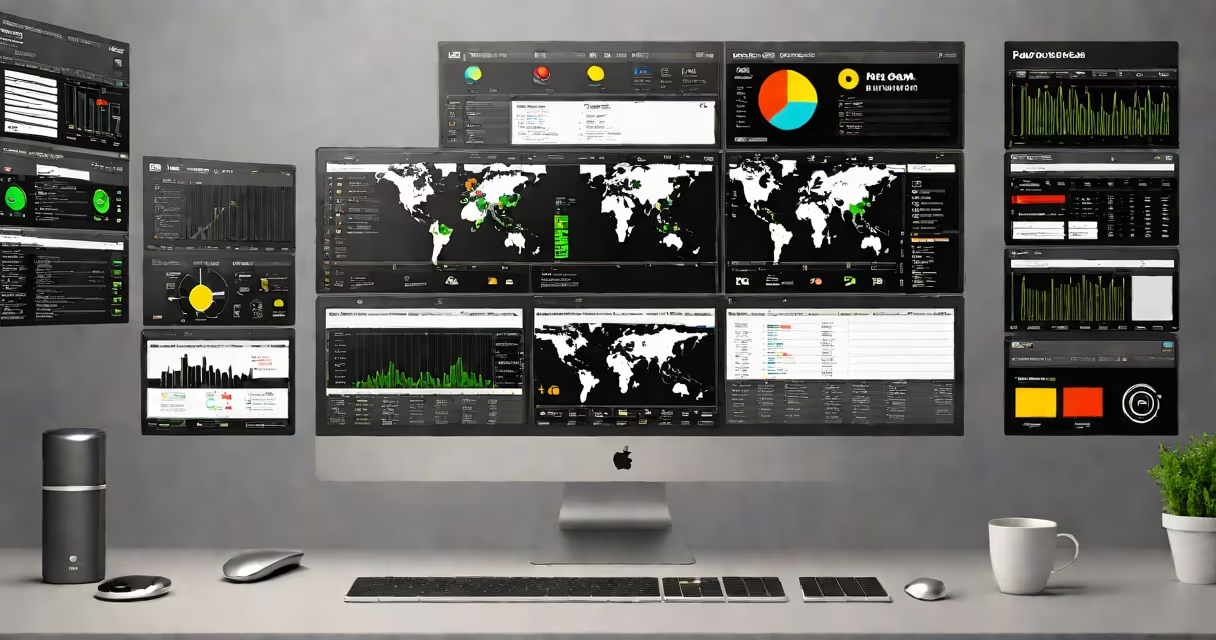
Common ERP systems are integrated software platforms that unify core business functions-finance, human resources, supply chain, manufacturing, and sales-into a single database and interface. They enable real-time data sharing across departments, reduce manual work, and support decision-making through centralized reporting.
These systems evolved from legacy accounting tools into complete digital command centers. Modern ERP solutions run on cloud infrastructure or on-premise servers and are designed for scalability across industries. Major vendors include SAP, Oracle, Microsoft Dynamics, Infor, and NetSuite. Each offers distinct strengths based on company size, industry focus, and deployment preference.
For example, a mid-sized manufacturer using SAP S/4HANA can track raw material orders, production schedules, inventory levels, and customer shipments from one dashboard. The system automatically updates financial records when goods ship, reducing errors from double-entry. This integration prevents delays and improves forecasting accuracy.
At their core, common ERP systems operate on a central database where all transactional data is stored. Every action-placing an order, processing payroll, receiving inventory-creates a record that's instantly accessible to authorized users across departments.
Modules handle specific business areas. A finance module tracks accounts payable and receivable, while a procurement module automates purchase requests and vendor comparisons. When a sales team closes a deal, the system triggers inventory reduction, generates an invoice, and updates the general ledger-all within seconds.
These processes rely on standardized workflows and configurable business rules. For instance, a company may set a rule that any purchase over $5,000 requires approval from two managers. The ERP system enforces this policy automatically, ensuring compliance without constant oversight.
ERP systems vary by deployment model, industry specialization, and target market. The following table outlines major systems and their typical use cases.
| System | Deployment Type | Best For | Key Strength |
|---|---|---|---|
| SAP S/4HANA | Cloud or on-premise | Large enterprises, global operations | Real-time analytics, complex financials |
| Oracle NetSuite | Cloud-only | Mid-market companies, fast-growing firms | Scalable automation, multi-currency support |
| Microsoft Dynamics 365 | Cloud with on-premise options | Companies using Microsoft products | Smooth integration with Office 365 |
| Infor CloudSuite | Cloud | Industry-specific needs (e.g., healthcare, distribution) | Built-in sector templates and compliance |
| NetSuite OneWorld | Cloud | Global organizations with multiple subsidiaries | Multi-entity, multi-language, multi-tax support |
Each system supports role-based access. A warehouse worker sees inventory and shipping tasks. A CFO views financial statements and cash flow projections. This ensures security and reduces training time.
One non-obvious distinction: not all ERP systems are equally adaptable to small teams. While SAP and Oracle offer useful features, they often require dedicated IT staff and long implementation cycles. Smaller firms may find NetSuite or Dynamics 365 easier to adopt due to faster setup and intuitive interfaces.
Businesses implement common ERP systems to eliminate data silos, improve operational visibility, and scale efficiently. A retail chain with 50 stores, for example, uses Oracle NetSuite to manage inventory across locations, track sales by region, and automate vendor payments.
Without ERP, each store might use spreadsheets or standalone POS systems. Reconciling weekly sales reports takes days. With ERP, daily sales data syncs automatically to headquarters. Managers see underperforming stores in real time and adjust promotions or staffing accordingly.
A real-world example: a U.S.-based food distributor switched from QuickBooks and Excel to SAP S/4HANA. Before the change, they lost $120,000 annually due to overstocking and expired goods. After ERP rollout, waste dropped by 37%, and order fulfillment speed improved by 44%. The system flagged slow-moving items and triggered automatic reorder alerts.
Another key reason for adoption is regulatory compliance. Public companies must follow GAAP and SOX rules. ERP systems log every transaction with timestamps and user IDs, making audits simpler. According to a 2022 PwC report, 83% of audited firms using integrated ERP systems completed audits faster than those relying on fragmented tools.
Many assume that common ERP systems are interchangeable. In reality, choosing the right one depends on business size, complexity, and growth plans. A startup using a basic accounting tool might think "ERP" means adding a few extra modules. But true ERP integration involves process redesign, not just software installation.
Another misconception is that ERP systems replace all existing software. They don't. Most companies integrate ERP with external tools-like CRM platforms (Salesforce), e-commerce engines (Shopify), or payroll providers (ADP). The ERP becomes the central hub, but specialized apps still serve niche roles.
Some confuse ERP with project management or customer service software. ERP handles internal operations. Tools like Asana or Zendesk manage workflows outside the core business cycle. Mixing them leads to duplicated data and confusion.
During a recent audit of 120 small-to-midsize businesses, the Gartner Group found that 41% failed to align ERP goals with actual business processes. These companies installed ERP systems but kept outdated workflows, leading to low user adoption and poor ROI. The lesson: choose the system, then redesign processes-not the other way around.
I oversaw the rollout of Microsoft Dynamics 365 at a regional logistics firm with 180 employees. We migrated from a mix of paper logs, Access databases, and standalone billing software. The team expected a six-week transition. It took ten months because we had to retrain staff, standardize naming conventions, and fix data inconsistencies.
After go-live, productivity increased by 29% in the first quarter. Dispatchers reduced manual entry errors by 87%. The biggest win was tracking delivery performance. Before ERP, we relied on driver check-ins. Now, GPS-enabled devices feed location data into the system, triggering automated status updates and customer notifications.
This experience confirmed that common ERP systems aren't plug-and-play. Success requires commitment, change management, and ongoing support. But the payoff-consistent data, faster decisions, fewer errors-is measurable and lasting.
Understanding what are common ERP systems means recognizing they're not just software-they're transformation tools. They reshape how organizations operate, communicate, and grow. Choosing the right one begins with clarity on current pain points and future ambitions.