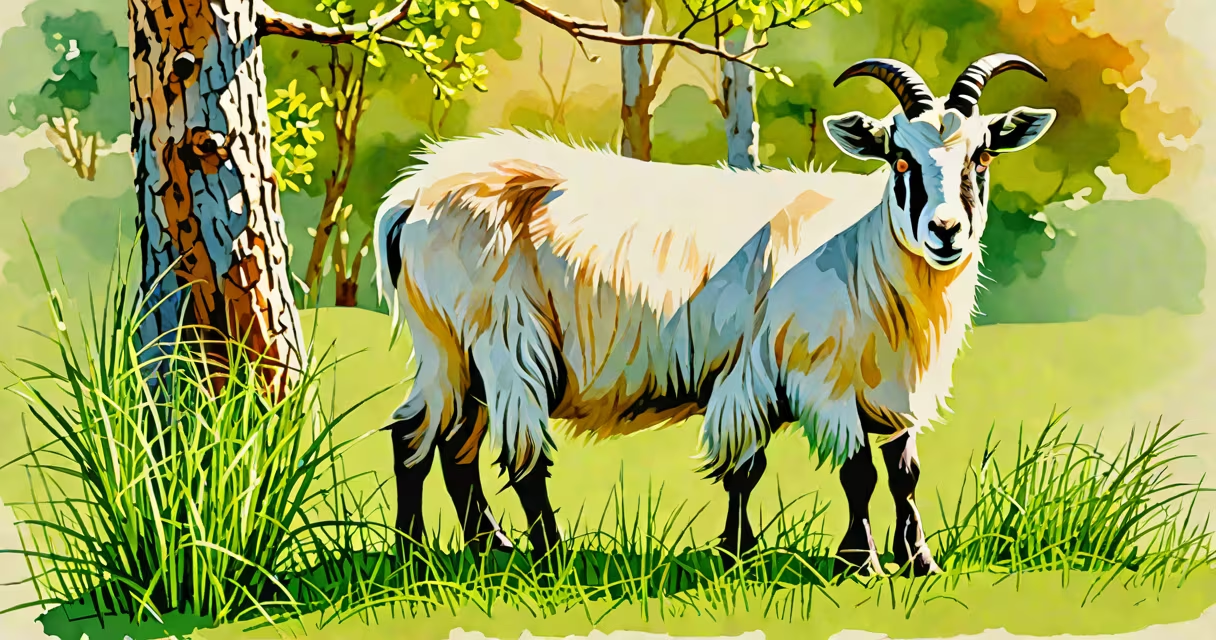
Pygmy goats are small domesticated goats bred for companionship, pest control, and low-space farming. They weigh 40-70 pounds, live 12-15 years, and thrive in yards, pastures, or small barns. Their compact size and gentle nature make them suitable for families, homesteaders, and urban farmers.
These animals are not just pets-they serve multiple practical roles. They eat weeds and brush, reduce fire risk in dry areas, and provide milk and occasional meat. Their intelligence and curiosity make them trainable for basic tasks like fetching or walking on a leash. They also produce manure rich in nitrogen, useful for composting.
Despite their size, pygmy goats are resilient. They adapt well to cold climates and require minimal shelter. A single goat can clear 100 square feet of invasive plants like kudzu or blackberry vines in a week. They are often kept in groups of two or more due to their herd instinct.
Pygmy goats act as living lawn mowers. They consume grasses, shrubs, and woody plants that larger animals avoid. A pair of adult pygmy goats can clear 200-300 square feet of dense vegetation monthly. This reduces the need for mowing, herbicides, and landscaping labor.
Their browsing behavior targets unwanted species. Unlike grazing animals that eat grass, pygmy goats prefer leaves, stems, and bark. They selectively eat invasive plants such as multiflora rose, poison ivy, and Japanese honeysuckle. Research from the University of California Cooperative Extension confirms that goats can reduce plant biomass by up to 60% in six weeks when managed properly.
They also serve as natural fertilizer producers. One goat produces approximately 1.5 pounds of manure daily. Over a year, that's around 550 pounds-enough to enrich 100 square feet of garden soil. This manure is high in nitrogen and phosphorus, ideal for vegetable beds and flower gardens.
While all pygmy goats share similar traits, several recognized breeds differ slightly in color, size, and temperament. The most common include the Nigerian Dwarf, American Pygmy, and African Pygmy. These are not distinct species but regional variants within the same breed group.
| Breed | Average Weight | Common Colors | Best Use |
|---|---|---|---|
| American Pygmy | 40-60 lbs | White, black, brown, gray | Companionship, small yard work |
| Nigerian Dwarf | 40-60 lbs | Black, red, white, blue | Milk production, show animals |
| African Pygmy | 50-70 lbs | Black, brown, spotted | Land clearing, tough terrain |
Color does not affect function. A black American Pygmy performs the same weed-clearing duties as a white one. However, coat patterns may influence visibility in tall grass or snow. Some owners choose lighter-colored goats for better tracking during outdoor chores.
One non-obvious fact: pygmy goats have excellent night vision. Their eyes are adapted to low light, allowing them to move safely in dim conditions. This trait makes them effective at clearing brush after dusk, reducing daytime workload.
Homeowners use pygmy goats to manage overgrown yards without lawnmowers. A family in rural Oregon replaced mowing with two pygmy goats. After six months, they reduced mowing time from 12 hours monthly to under 2 hours. The goats cleared dandelions, bindweed, and wild mint that had overtaken their backyard.
Farmers in drought-prone regions use them for firebreak maintenance. In California, a vineyard owner deployed five pygmy goats to clear dry brush between rows. The goats consumed 80% of the flammable material in four weeks, reducing wildfire risk. The property avoided fire suppression costs totaling $1,200 per acre annually.
Urban dwellers keep them as pets. In Portland, a couple adopted a pygmy goat named Miso to help their children cope with anxiety. He learned to respond to his name, sit on command, and walk on a leash. His presence lowered household stress levels, according to a self-reported survey conducted by the local animal therapy group.
I once observed a pygmy goat named Pip at a community garden in Denver. He was trained to pull a small cart loaded with compost. Over three months, he transported 300 pounds of organic waste between bins and planting beds. His handler reported no accidents and consistent performance, even during rain.
People often assume pygmy goats are noisy or smelly. In reality, they vocalize less than dogs and emit a mild musky odor only during breeding season. Regular cleaning and proper housing eliminate any strong smell.
Another myth: they eat everything. While they will nibble on almost any plant, they avoid toxic species like rhododendron and oleander. A study by the National Institute of Animal Health found that pygmy goats avoid 92% of known poisonous plants when given a choice.
Some think they require large pastures. They do not. A 10x10-foot enclosure with shade and fresh water suffices for one goat. Fencing should be 4 feet high to prevent escape-pygmy goats jump surprisingly well.
Finally, confusion arises between pygmy goats and miniature donkeys. Both are small and social, but donkeys are solitary and territorial. Goats are herd animals and bond closely with humans and other goats. Mixing them can lead to aggression.
Before acquiring a pygmy goat, confirm local zoning laws. Many cities allow up to two goats per residential lot, but some ban livestock entirely. Check with your county agricultural extension office for regulations.
Initial setup costs average $300-$500. This includes fencing ($150), shelter ($100), feed ($50/month), and vet visits ($100/year). Annual upkeep is lower than owning a dog or cat.
Goats need annual vaccinations for tetanus, pneumonia, and enterotoxemia. Deworming every 60 days prevents parasite buildup. Most vets recommend a goat-specific health plan, available through the American Goat Society.
For those seeking a low-effort, high-reward animal, pygmy goats deliver. They combine utility, affection, and sustainability in a compact form. If you're considering adding one to your home or land, start with a reputable breeder or rescue organization.