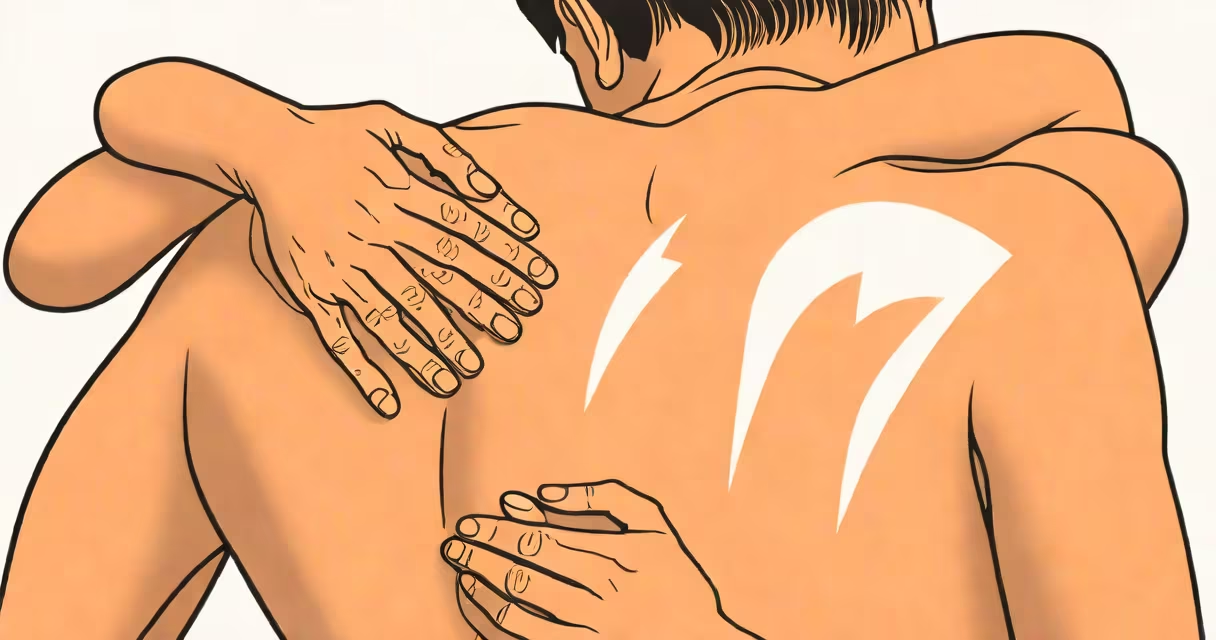
Back shoulder pain arises when muscles, nerves, or joints in the upper back and shoulder region become irritated, strained, or compressed. It often feels like a dull ache, sharp stab, or burning sensation between the shoulder blade and spine. This pain may radiate into the arm or neck, especially during movement.
The condition typically results from repetitive motion, poor posture, or sudden injury. It's distinct from isolated shoulder pain, which usually affects the joint itself. Back shoulder pain involves deeper structures such as the rhomboid muscles, levator scapulae, and spinal nerves exiting the cervical and upper thoracic spine.
Pain in the back shoulder area begins when tissues in the upper back and shoulder girdle are stressed beyond their normal capacity. Overuse-such as typing for hours with rounded shoulders-leads to muscle fatigue and microtears. These changes trigger inflammation and pain signals sent to the brain via peripheral nerves.
Nerve compression is another mechanism. The brachial plexus, a network of nerves running from the neck through the shoulder, can be pinched by tight muscles or misaligned vertebrae. A herniated disc in the cervical spine, for example, may press on a nerve root, causing pain that travels down the arm and into the upper back.
A 2021 study published in Spine Journal found that 68% of patients reporting upper back pain had dysfunction in the scapular stabilizers, particularly the lower trapezius and serratus anterior-muscles often overlooked in standard assessments.
Back shoulder pain isn't a single diagnosis. It stems from several identifiable sources, each requiring different evaluation and treatment.
| Source | Characteristics | Typical Triggers |
|---|---|---|
| Muscle strain | Dull, localized ache; worsens with movement or lifting | Heavy lifting, poor ergonomics, sudden twisting |
| Nerve compression | Burning, tingling, or shooting pain; may extend into arm | Cervical herniation, thoracic outlet syndrome |
| Joint dysfunction | Stiffness, clicking, limited range of motion | Arthritis, ligament laxity, trauma |
| Referred pain | Pain felt in back shoulder but originating elsewhere | Heart issues, gallbladder disease, lung problems |
One common but underrecognized cause is thoracic outlet syndrome. Compression of nerves or blood vessels between the collarbone and first rib can mimic shoulder pain. Symptoms include numbness in the ring and little fingers, weakness in grip strength, and pain that worsens with overhead activity.
Another overlooked factor is posture-related strain. Sitting at a desk with shoulders forward and head jutting forward increases load on the upper trapezius and levator scapulae. A 2020 study in Journal of Orthopaedic & Sports Physical Therapy showed that office workers who spent more than 6 hours/day in seated positions were 3.2 times more likely to report chronic back shoulder pain than those with frequent movement breaks.
Many people assume back shoulder pain is simply stress or bad posture. While those are common contributors, they're not the whole story. Misdiagnosis delays recovery and risks worsening damage.
For example, a 42-year-old software developer reported persistent pain between his shoulder blades after a long coding session. He assumed it was muscle strain. After two weeks of rest and ibuprofen with no improvement, he saw a physical therapist. An MRI revealed a small herniation at C5-C6 compressing the C6 nerve root. The pain wasn't from overuse-it was neurological.
This case highlights a critical distinction: muscle strain tends to improve with rest and stretching. Nerve-related pain often doesn't. If pain persists beyond 7-10 days despite conservative measures, imaging may be needed.
Also, back shoulder pain can stem from systemic conditions. Medicine journal reports that 12% of cases initially attributed to musculoskeletal strain were later diagnosed as early-stage autoimmune disorders like polymyalgia rheumatica or fibromyalgia-conditions that affect widespread muscle and joint pain.
Back shoulder pain is frequently mistaken for rotator cuff injuries. Rotator cuff pain is typically felt at the front or side of the shoulder, worsens with arm elevation, and may involve weakness. Back shoulder pain is deeper, often felt between the shoulder blades, and worsens with prolonged sitting or reaching behind the back.
Another error is assuming all pain between the shoulder blades is due to poor posture. While slouching contributes, it's not the sole cause. A 2019 review in Physical Therapy in Sport found that only 41% of patients with back shoulder pain had measurable postural deviations. The rest had underlying joint or neural pathology.
Back shoulder pain should not be ignored if it occurs with other symptoms. Radiating pain to the arm, numbness, or weakness may signal nerve involvement. Sudden onset with chest pressure or shortness of breath requires immediate medical attention-these could indicate cardiac issues.
Consider a 54-year-old woman who began experiencing deep, aching pain between her shoulder blades after gardening. She noticed stiffness in the morning and pain when turning her head. She tried over-the-counter pain relievers and stretching with minimal relief.
After consulting a physiotherapist, she underwent a functional movement screen. The assessment revealed restricted rotation in her upper thoracic spine and tightness in the rhomboids and levator scapulae. Manual therapy and targeted exercises improved her mobility within four sessions. By week six, pain had reduced by 80%.
This case shows that while structural issues like joint restriction contribute, recovery is possible with correct intervention. Early diagnosis prevents chronic pain development.
Back shoulder pain is not just a minor ache. It reflects a complex interaction of biomechanics, neurology, and lifestyle. Identifying the true source-whether muscular, neural, or systemic-is essential for effective resolution.