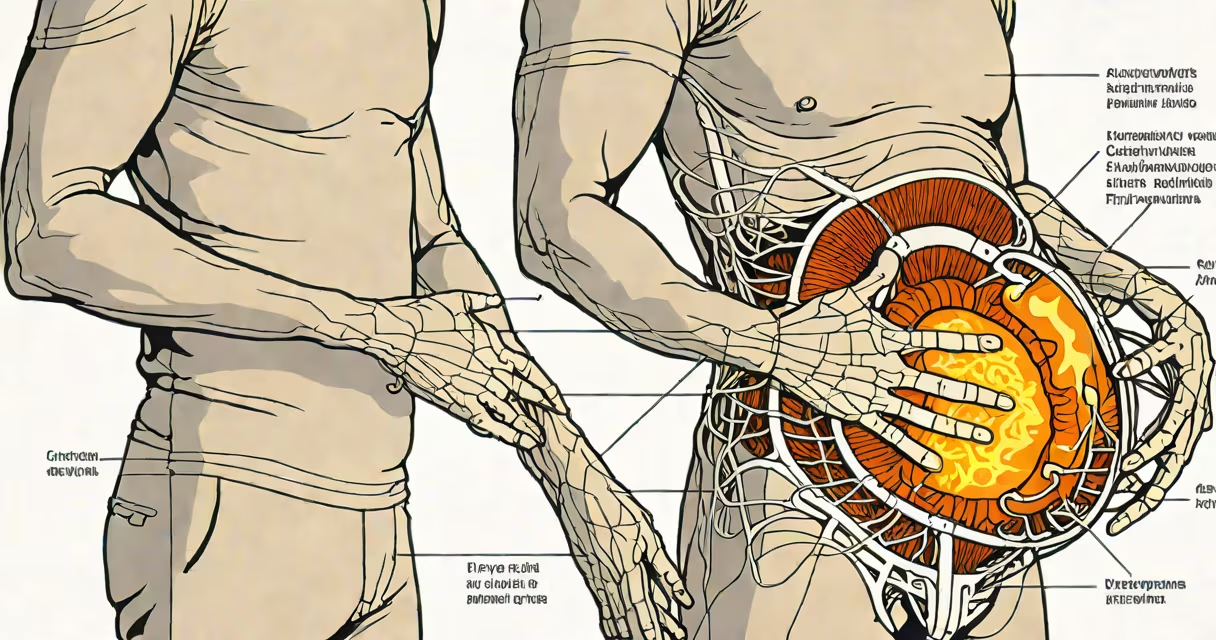
Bad indigestion results from irritation or dysfunction in the upper gastrointestinal tract, often triggered by specific foods, stress, or medical conditions. It manifests as bloating, nausea, heartburn, or a heavy feeling after eating. The condition is not a disease but a symptom of disrupted digestion.
Indigestion occurs when the stomach fails to process food efficiently. This can happen due to excess acid production, delayed gastric emptying, or physical irritation from certain substances. The process begins in the esophagus and stomach, where acid and enzymes break down food. When this system is overloaded or impaired, symptoms arise.
Common culprits include spicy or fatty meals, alcohol, caffeine, carbonated drinks, and large portions. These irritate the stomach lining or relax the lower esophageal sphincter, allowing acid to flow upward. Stress also plays a role by altering gut motility and increasing acid secretion. Underlying issues like gastroesophageal reflux disease (GERD), peptic ulcers, or gastritis may worsen symptoms.
The stomach produces hydrochloric acid and enzymes like pepsin to digest proteins. Normally, the stomach lining resists this corrosive environment through mucus and bicarbonate secretion. When this protection fails, acid damages tissue, causing pain and inflammation. This breakdown leads to the sensation of burning or pressure in the upper abdomen.
Delayed gastric emptying slows digestion. Foods high in fat or fiber can slow movement through the stomach, leading to bloating and early satiety. Alcohol and nicotine impair muscle contractions in the digestive tract, reducing efficiency. A 2021 study in Gastroenterology found that 68% of patients with chronic indigestion had slower gastric emptying compared to healthy controls.
Stress activates the sympathetic nervous system, diverting blood flow from the digestive tract. This reduces enzyme release and weakens peristalsis-the wave-like motion that moves food through the intestines. As a result, food sits longer in the stomach, fermenting and producing gas. This fermentation increases pressure and discomfort.
Indigestion is not a single condition. It falls into categories based on cause:
| Type | Common Causes | Frequency |
|---|---|---|
| Functional indigestion | Stress, anxiety, irregular eating | Most common (60-70% of cases) |
| Diet-induced | Fried foods, citrus, tomatoes, alcohol | Occurs within 1-2 hours post-meal |
| Medication-related | NSAIDs (ibuprofen, aspirin), antibiotics | Linked to mucosal damage |
| Pathological | GERD, ulcers, gallstones, H. pylori infection | Requires medical diagnosis |
Functional indigestion accounts for most cases and lacks structural abnormalities. It's often linked to altered brain-gut signaling. Diet-induced indigestion typically resolves within a few hours after avoiding trigger foods. Medication-related cases appear after prolonged use and may involve bleeding or ulceration.
Pathological causes require testing. For example, H. pylori bacteria infect the stomach lining in 40% of adults globally, according to the World Health Organization. Untreated, it can lead to ulcers and increase cancer risk. Testing involves breath tests, stool antigen assays, or endoscopy.
Many people mistake bad indigestion for heart attacks. Chest pain from indigestion often feels like pressure behind the sternum and may radiate to the neck or jaw. However, indigestion pain usually follows meals and improves with antacids. Heart attack pain persists, worsens with exertion, and may come with sweating or shortness of breath.
Another confusion is linking indigestion to constipation. While both affect digestion, they stem from different processes. Constipation results from slow colonic transit, whereas indigestion happens in the stomach and duodenum. One does not cause the other, though both can coexist in irritable bowel syndrome (IBS).
A lesser-known fact: carbonated beverages don't just introduce gas-they alter pH in the stomach. A 2019 study in Alimentary Pharmacology & Therapeutics showed that carbonation increased intragastric pressure by 32% compared to still water, contributing to bloating and reflux.
In 2022, a 42-year-old woman reported recurring indigestion after lunch. She ate a turkey sandwich with mayonnaise, a side of potato salad, and a soda. Within 30 minutes, she felt fullness and mild heartburn. Over the next week, symptoms worsened with each meal.
She eliminated processed meats, dairy, and sugary drinks. After five days, her symptoms improved. A follow-up visit revealed elevated levels of H. pylori in a stool test. She completed a 14-day course of antibiotics and proton-pump inhibitors. Her symptoms resolved completely after treatment.
This case illustrates how multiple factors-diet, bacterial infection, and medication-can converge to cause persistent indigestion. It also shows that self-diagnosis can delay proper care.
When symptoms persist beyond two weeks, or include vomiting, weight loss, or black stools, seek medical evaluation. These signs may indicate ulcers, tumors, or other serious conditions.
For ongoing issues, gas and indigestion causes offers detailed dietary and lifestyle guidance. If bad breath accompanies indigestion, it may signal oral or gastrointestinal issues-explore common causes and treatment options for further insight.
Understanding what causes bad indigestion allows targeted changes. Avoiding known triggers, managing stress, and seeking diagnosis when needed reduce discomfort and prevent complications.