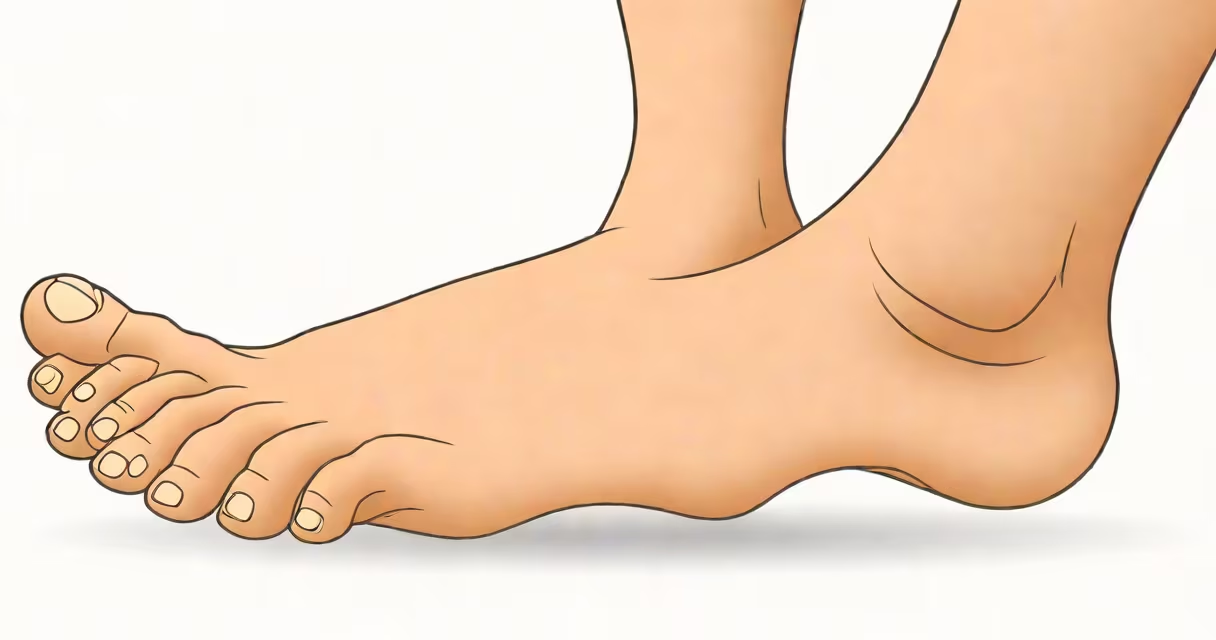
Foot and ankle pain arises from injury, overuse, structural issues, or underlying medical conditions affecting bones, ligaments, tendons, or nerves. Common culprits include sprains, stress fractures, tendonitis, and nerve compression. The pain may be sharp, dull, throbbing, or burning, depending on the cause.
Most foot and ankle pain results from mechanical stress or trauma. A sudden twist during sports or walking on uneven ground can strain ligaments, leading to a sprain. Repetitive impact-such as running long distances-can cause microtears in tendons or stress fractures in bones. These injuries often develop gradually, with discomfort worsening over time until they interfere with daily movement.
Conditions like plantar fasciitis, Achilles tendinitis, and Morton's neuroma are frequent contributors. Plantar fasciitis involves inflammation of the thick band of tissue running along the bottom of the foot, causing heel pain especially in the morning. Achilles tendinitis affects the tendon connecting calf muscles to the heel bone, often due to sudden increases in activity levels. Morton's neuroma is a thickening of tissue around a nerve between the third and fourth toes, resulting in sharp, burning pain in the ball of the foot.
Pain begins when tissues are damaged or inflamed. Nerve endings in skin, tendons, and joints detect injury and send signals to the brain. This process triggers localized swelling, redness, heat, and sensitivity. The body responds by increasing blood flow and immune cell activity to repair damage-but this response also causes discomfort.
For example, a runner who increases weekly mileage from 10 to 30 miles without proper rest develops micro-tears in the Achilles tendon. Over days, inflammation builds. By day five, the tendon feels tight and painful when standing on tiptoes. Imaging shows thickened tendon fibers, confirming tendinitis. Without rest, the condition can progress to partial tears.
Chronic pain often stems from poor biomechanics. Flat feet or high arches alter weight distribution, placing extra pressure on specific areas. A 2021 study in the Journal of Orthopaedic & Sports Physical Therapy found that individuals with overpronation were 2.6 times more likely to report chronic foot pain than those with neutral arches.
Causes fall into categories based on structure and mechanism:
| Type | Common Causes | Typical Symptoms | Onset Pattern |
|---|---|---|---|
| Injury | Sprains, fractures, dislocations | Sharp pain, swelling, bruising, inability to bear weight | Immediate or within hours |
| Overuse | Plantar fasciitis, Achilles tendinitis, stress fractures | Dull ache, stiffness, worsening with activity | Gradual, over days to weeks |
| Nerve Compression | Morton's neuroma, tarsal tunnel syndrome | Burning, tingling, numbness in forefoot or sole | Intermittent, worsens with prolonged standing |
| Arthritis | Osteoarthritis, rheumatoid arthritis | Stiffness, swelling, pain after rest | Slow progression, often bilateral |
Plantar fasciitis affects about 10% of runners annually, according to the American Academy of Orthopaedic Surgeons (AAOS). It typically presents as heel pain upon first steps in the morning, easing slightly with movement but returning after sitting or standing for long periods.
Achilles tendinitis occurs most frequently in people aged 30-50 who return to running after a break. A 2020 review in the British Journal of Sports Medicine noted that 70% of cases involved individuals who increased training intensity too quickly-often by more than 10% per week.
Many assume foot and ankle pain is simply "wear and tear" and delay treatment. But ignoring early signs can lead to permanent changes. For example, untreated plantar fasciitis can result in altered gait patterns, increasing risk of knee and hip strain.
One common mistake is confusing plantar fasciitis with a heel spur. Heel spurs are bony growths visible on X-rays, but they don't always cause pain. A 2019 study in Foot & Ankle International found that 70% of patients with heel spurs reported no symptoms. Pain is caused by soft tissue inflammation, not the bone growth itself.
Another error is attributing ankle pain solely to sprains. While lateral ankle sprains are frequent, medial ankle pain-on the inner side-often indicates posterior tibial tendon dysfunction. This condition leads to flat feet and progressive loss of arch support. Left untreated, it can result in total collapse of the foot's medial arch and require surgical intervention.
Pain that persists beyond a few days, worsens with activity, or limits walking requires evaluation. Red flags include swelling, inability to bear weight, numbness, or signs of infection such as warmth, redness, or fever.
For instance, a 42-year-old office worker developed sharp pain in the left foot while walking her dog. She initially dismissed it as fatigue. After four days, the pain intensified, especially when flexing the foot upward. She noticed swelling near the ankle and difficulty pushing off with the toe. A visit to a podiatrist revealed a stress fracture in the fifth metatarsal, confirmed via MRI. Early diagnosis prevented further bone damage.
Early intervention improves outcomes. Rest, ice, compression, and elevation (RICE) help reduce inflammation in minor cases. However, identifying the root cause prevents recurrence. A physical exam, imaging, or nerve conduction tests may be needed for accurate diagnosis.
Understanding what causes foot and ankle pain enables timely action. Whether from overuse, injury, or systemic disease, addressing the source reduces long-term disability and restores mobility.