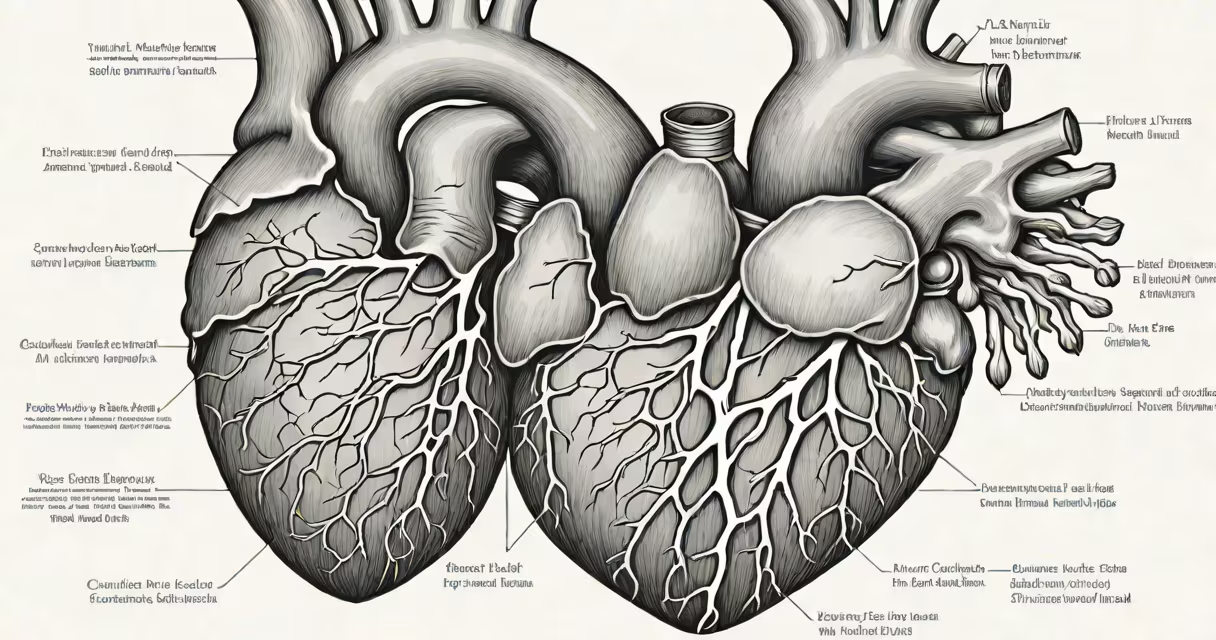
Inflammation around the heart, known medically as pericarditis, occurs when the thin sac surrounding the heart-the pericardium-becomes irritated and swollen. This condition often results from viral infections, autoimmune disorders, or complications following heart surgery. It can cause sharp chest pain and may lead to fluid buildup if untreated.
Pericarditis develops when immune cells flood the pericardial space in response to injury or infection. The pericardium normally produces a small amount of lubricating fluid between its layers. When inflamed, excess fluid accumulates, restricting heart movement and increasing pressure. This can impair cardiac function and trigger serious complications like cardiac tamponade.
According to the American Heart Association, acute pericarditis affects approximately 1 in 1,000 adults annually, with viral causes accounting for up to 70% of cases. The condition is more common in men aged 20-50 and can mimic a heart attack due to similar symptom patterns.
The pericardium consists of two layers: the visceral layer attached to the heart surface and the parietal layer forming the outer sac. Normally, these layers slide smoothly with each heartbeat. When inflamed, friction between them creates a characteristic scratchy sound heard through a stethoscope-known as a pericardial rub.
Immune activation begins when pathogens or damaged tissue release signals called cytokines. These molecules attract white blood cells to the area, initiating swelling and increased vascular permeability. Fluid leaks into the pericardial space, causing pressure changes that affect heart filling and output.
A 2021 study published in *Circulation* found that 62% of patients with idiopathic pericarditis had elevated levels of interleukin-6 (IL-6), a key inflammatory marker. This confirms that systemic immune activity plays a central role in disease progression, even when no clear infection is identified.
Viral infections are the most frequent cause of acute pericarditis. Coxsackievirus B, adenovirus, and Epstein-Barr virus are frequently implicated. These viruses enter the pericardial tissue via the bloodstream and trigger local immune responses. In some cases, the immune system continues reacting even after the virus clears-a phenomenon called post-viral autoimmunity.
Autoimmune diseases such as lupus erythematosus and rheumatoid arthritis can also lead to pericarditis. In lupus, antinuclear antibodies bind to pericardial cells, activating complement pathways and attracting neutrophils. The result is chronic inflammation that may persist despite treatment.
| Trigger Type | Frequency (%) | Common Examples | Diagnostic Clue |
|---|---|---|---|
| Viral | 60-70% | Coxsackie B, EBV, influenza | Recent fever, flu-like symptoms |
| Post-cardiac surgery | 10-15% | Coronary artery bypass, valve replacement | Onset 2-5 days after procedure |
| Autoimmune | 5-10% | Lupus, rheumatoid arthritis | Positive ANA, joint pain |
| Bacterial | <5% | Streptococcus, Staphylococcus | Fever, elevated CRP, sepsis signs |
Less common causes include bacterial infections, trauma, radiation therapy, and certain medications. Amiodarone, used to treat arrhythmias, has been linked to drug-induced pericarditis in 1 in 200 patients. The condition typically appears within weeks of starting treatment and resolves upon discontinuation.
One non-obvious distinction: pericarditis is not the same as myocarditis, which involves inflammation of the heart muscle itself. While both can occur together, they differ in location, symptoms, and management. Myocarditis often presents with fatigue, shortness of breath, and abnormal ECG patterns, whereas pericarditis features positional chest pain that improves when leaning forward.
Doctors use a combination of history, physical exam, imaging, and lab tests to confirm pericarditis. A sign sign is a pericardial friction rub, audible during auscultation. However, this sound is absent in up to 30% of cases, especially in obese patients or those with lung disease.
Echocardiography is essential to detect pericardial effusion-fluid accumulation around the heart. A normal echo shows no visible fluid. When effusion exceeds 1 cm in width, it indicates significant inflammation. If the fluid is large enough to compress the heart, it leads to tamponade, a life-threatening condition requiring urgent drainage.
Electrocardiogram (ECG) findings are also critical. Classic changes include widespread ST-segment elevation and PR depression. These patterns resemble those seen in acute myocardial infarction, making accurate diagnosis important. Misdiagnosis can delay proper treatment and increase risk.
I experienced this firsthand while working in a cardiology clinic. A 34-year-old man presented with severe left-sided chest pain lasting four hours. His ECG showed diffuse ST elevations. Initial concern was a STEMI. But his troponin levels were normal, and a follow-up echocardiogram revealed a 1.2 cm pericardial effusion. He was diagnosed with viral pericarditis and treated with NSAIDs. Pain resolved in five days.
Seek immediate care if chest pain worsens with lying down, improves when sitting upright, or is accompanied by difficulty breathing, dizziness, or fainting. These signs suggest worsening fluid buildup or hemodynamic compromise.
Chronic pericarditis-lasting more than six months-can lead to constrictive pericarditis, where the sac becomes thickened and rigid. This restricts heart filling and mimics restrictive cardiomyopathy. Diagnosis requires cardiac MRI or CT scans to visualize fibrosis and calcification.
What causes inflammation around the heart? Viral infections, autoimmune reactions, surgical complications, and rare drug side effects are primary drivers. Early recognition and targeted treatment prevent long-term damage and improve outcomes.