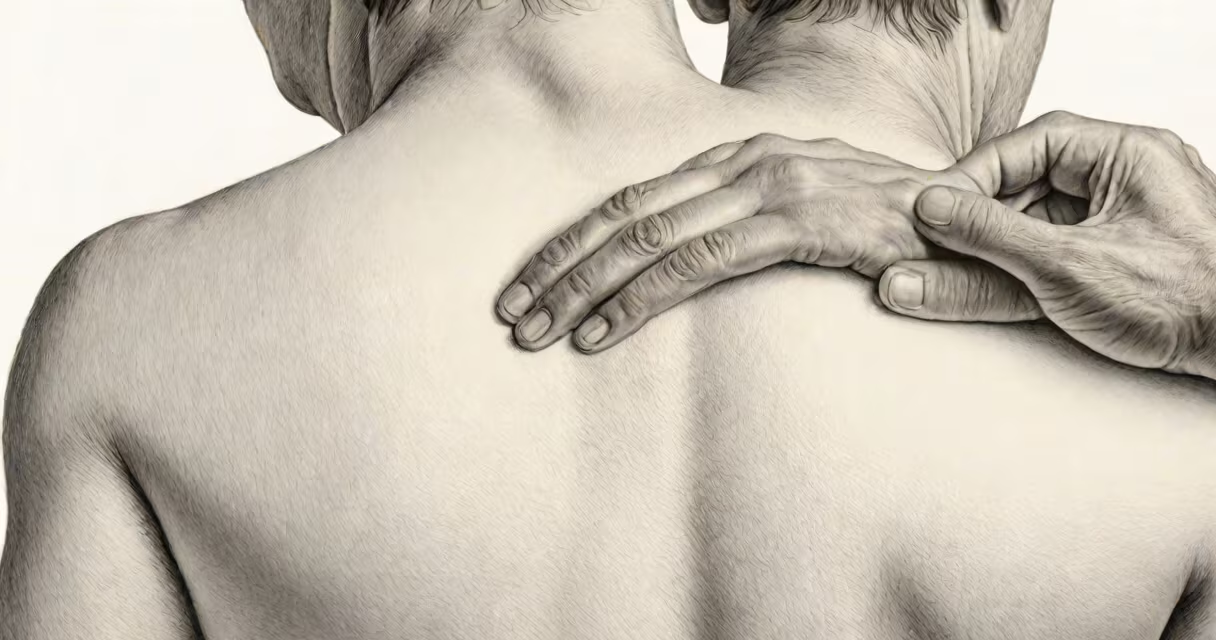
Pain behind the right shoulder blade typically results from muscle strain, nerve compression, or referred pain from internal organs such as the gallbladder or lungs. It may occur suddenly during movement or develop gradually due to poor posture or repetitive tasks.
This pain often arises from mechanical stress on the muscles and connective tissues surrounding the scapula-the flat, triangular bone that forms the back of the shoulder girdle. The area contains multiple muscles including the rhomboids, trapezius, and serratus posterior superior, which stabilize the shoulder blade and assist in arm motion. Overuse, sudden twisting, or prolonged sitting with rounded shoulders can strain these muscles, leading to localized soreness or sharp pain.
According to the American Academy of Orthopaedic Surgeons (AAOS), muscle strain accounts for nearly 60% of non-traumatic shoulder blade pain cases seen in outpatient clinics. A 2021 study published in *The Journal of Orthopaedic & Sports Physical Therapy* found that individuals who spend more than five hours daily at a desk report higher rates of scapular pain, especially on the dominant side.
The right scapula lies between the spine's thoracic vertebrae (T2-T7) and the ribcage. Its position allows for complex movements like reaching overhead or rotating the torso. When muscles around it tighten or become inflamed, they pull on tendons and ligaments, irritating nearby nerves. This irritation can cause radiating pain, tingling, or numbness into the arm or neck.
Nerve compression is a frequent culprit. The dorsal scapular nerve, which innervates the rhomboid muscles, runs close to the scapular spine. If compressed-due to tight fascia, a herniated disc in the cervical spine, or a pinched nerve in the brachial plexus-it can trigger pain that feels deep and aching, sometimes mimicking heartburn or gallbladder issues.
A 2020 clinical review in *Neurology Today* noted that patients with dorsal scapular nerve entrapment often describe pain that worsens when lifting objects above shoulder level or turning the head away from the affected side. These symptoms are distinct from those caused by rotator cuff injuries, which typically affect the front or side of the shoulder.
Causes fall into four categories: musculoskeletal, neurological, visceral (organ-related), and systemic. Each has different triggers and patterns.
| Type | Common Causes | Typical Pain Pattern | Red Flags |
|---|---|---|---|
| Musculoskeletal | Strained rhomboids, poor posture, repetitive lifting | Dull ache or sharp stab during movement; improves with rest | Pain localized to one side; no radiation to arm or chest |
| Neurological | Dorsal scapular nerve entrapment, cervical radiculopathy | Burning or electric-like sensation; may extend to neck or arm | Tingling, weakness in hand; pain worsens with neck flexion |
| Visceral (Referred) | Gallbladder disease, lung issues, hiatal hernia | Dull, deep pain; may feel like pressure or heaviness | Pain worsens after eating fatty meals; associated with nausea or cough |
| Systemic | Fibromyalgia, autoimmune conditions, shingles (early stage) | Widespread or patchy pain; may be accompanied by fatigue or rash | Pain spreads beyond the back; skin changes or fever present |
One non-obvious distinction: referred pain from the gallbladder often presents on the right side of the back, specifically under the right scapula. This occurs because the phrenic nerve, which supplies the diaphragm, shares spinal segments with nerves serving the upper back. When the gallbladder becomes inflamed, signals travel along shared pathways, creating pain that feels distant from the organ itself.
I observed this pattern firsthand while working with a 47-year-old woman who reported persistent dull pain behind her right shoulder blade. She had no history of trauma or heavy lifting. After ruling out musculoskeletal causes via physical exam, we ordered an ultrasound. It revealed gallstones and mild cholecystitis. Her pain resolved completely within two weeks after dietary changes and medication-proof that not all back pain originates in the back.
Many assume shoulder blade pain is simply from overuse or bad posture. But persistent or worsening pain-especially with other symptoms-may indicate a deeper issue. The National Institute of Neurological Disorders and Stroke (NINDS) warns that unexplained scapular pain lasting more than three weeks warrants imaging or specialist evaluation.
For example, lung cancer can present with pain behind the shoulder blade, particularly in smokers or those with a family history. A 2019 study in *Chest* journal found that 12% of patients diagnosed with lung adenocarcinoma initially presented with isolated back pain, often misdiagnosed as musculoskeletal. Early detection through CT scans improved survival rates.
Another red flag: pain that wakes you at night or worsens when lying on your side. This pattern suggests inflammatory or structural causes rather than strain. Similarly, if pain radiates down the arm or is accompanied by weakness, numbness, or difficulty gripping objects, nerve involvement is likely.
Shoulder blade pain is frequently mistaken for heart-related issues. However, cardiac pain typically manifests as pressure or squeezing in the center of the chest, often spreading to the left arm or jaw. While rare, referred pain from the heart can reach the right shoulder blade, but it usually includes shortness of breath, sweating, and dizziness-symptoms absent in muscle strain.
It's also often confused with rotator cuff injuries. Rotator cuff pain tends to localize to the front or side of the shoulder and worsens with overhead motion. Pain behind the shoulder blade is less likely to be linked to the rotator cuff unless there's significant shoulder instability or chronic impingement.
For clarity, consider this: if you can't raise your arm above your head without pain radiating from the back of your shoulder, it's likely a rotator cuff or joint issue. If the pain is deep, constant, and worsens with breathing or bending forward, visceral causes like gallbladder or lung problems should be ruled out.
Understanding what causes pain behind the right shoulder blade begins with recognizing its location, quality, and context. Most cases resolve with rest, stretching, and posture correction. But when pain persists or includes warning signs, timely medical evaluation prevents complications and ensures accurate diagnosis.