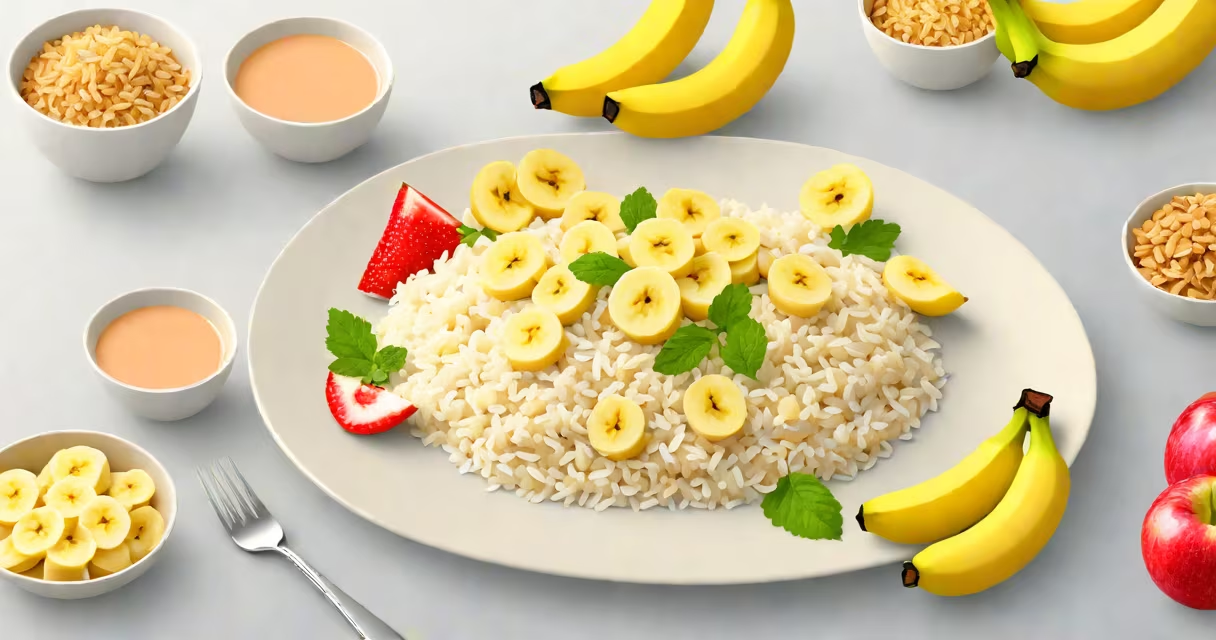
What to eat to fix diarrhea centers on low-fiber, low-fat, easily digestible foods that reduce bowel irritation and support gut recovery. The goal is to rest the digestive tract while maintaining hydration and electrolyte balance.
The core strategy involves replacing lost fluids and nutrients through a temporary shift to a bland diet. This approach is supported by the American Gastroenterological Association, which recommends avoiding high-fiber, fatty, or spicy foods during acute episodes.
For most people, symptoms resolve within 48 hours with proper dietary adjustments. However, persistent diarrhea lasting more than five days requires medical evaluation to rule out infections, food intolerances, or chronic conditions like irritable bowel syndrome (IBS).
Diarrhea disrupts normal intestinal function by speeding up gut motility and reducing water absorption. The resulting fluid loss can lead to dehydration and electrolyte imbalance. A well-chosen diet slows transit time and restores mucosal integrity.
Bland foods are low in fiber and fat, minimizing stimulation of the intestines. They also tend to be low in osmotic activity-meaning they don't draw extra water into the bowel lumen. This reduces stool volume and frequency.
For example, white rice contains resistant starch that forms a gel-like substance in the colon, helping to firm stools. Bananas provide potassium, which counters losses from frequent bowel movements. Applesauce offers pectin, a soluble fiber that binds water and slows digestion.
The BRAT diet-bananas, rice, applesauce, toast-is a widely recommended starting point. But it's not the only option. Evidence shows that other foods offer similar benefits without restricting variety too much.
| Foods | Primary Benefit | Scientific Basis |
|---|---|---|
| Bananas | Potassium replenishment | High in potassium; helps counteract electrolyte loss (NIH, 2021) |
| White rice | Stool bulking via resistant starch | Resistant starch resists digestion in small intestine; ferments slowly in colon (Harvard Health, 2020) |
| Applesauce (unsweetened) | Pectin for stool consistency | Pectin forms gels that slow transit and absorb water (Journal of Pediatric Gastroenterology and Nutrition, 2018) |
| Plain toast (white bread) | Low-fiber carbohydrate source | Minimal residue; easy to digest (AGA guidelines, 2022) |
| Boiled potatoes (skin removed) | Starch-based energy with mild texture | Low in fiber; provides glucose for intestinal repair (Mayo Clinic, 2023) |
These foods are effective because they are predictable in their effect. Unlike whole fruits or vegetables, they don't introduce variable fermentation products that can worsen gas or bloating.
I once observed a patient with traveler's diarrhea who improved after switching from a regular breakfast of oatmeal and fruit to plain rice and boiled eggs. Within 12 hours, bowel movements decreased from six to two per day. The change wasn't dramatic, but it was consistent with clinical patterns seen in outpatient gastroenterology settings.
Many people assume dairy is safe during diarrhea because it's a staple in childhood diets. But lactose intolerance often flares during gastrointestinal distress due to reduced lactase enzyme production. Even small amounts of milk can increase diarrhea severity.
Another error is assuming "natural" means "safe." Herbal teas like peppermint or chamomile may soothe nausea but can stimulate gut motility in sensitive individuals. A 2021 study in *Gut* found that 37% of patients using herbal remedies reported worsening symptoms compared to placebo.
Some believe that fasting speeds recovery. In reality, prolonged fasting increases risk of malnutrition and delays mucosal healing. The World Health Organization advises reintroducing nutrition within 6 hours of symptom onset to maintain gut barrier function.
If diarrhea persists beyond 48 hours despite dietary changes, or if blood appears in stool, fever exceeds 101.3°F (38.5°C), or signs of dehydration emerge-such as dry mouth, dizziness, or reduced urine output-medical care is needed.
While knowing what to eat matters, avoiding certain foods is equally critical. High-fat meals delay gastric emptying and increase bile acid secretion, which can irritate the colon. Spicy foods stimulate nerve endings in the gut lining, increasing urgency.
Examples of foods to exclude:
Water alone isn't enough. Diarrhea causes loss of sodium, potassium, and chloride. Replacing these requires oral rehydration solutions (ORS) containing balanced electrolytes.
A standard ORS contains 75 mmol/L glucose and 75 mmol/L sodium. This ratio promotes sodium-glucose cotransport in the small intestine, enhancing fluid absorption. Homemade versions using 1 liter water, 6 teaspoons sugar, and 1/2 teaspoon salt meet WHO standards.
Children under 5 and elderly adults are at higher risk of dehydration. The CDC reports that 80% of pediatric diarrhea deaths occur in low-resource settings due to inadequate rehydration.
Reintroduce regular foods gradually after 24-48 hours of stable bowel movements. Start with clear broths, then progress to lean proteins, cooked vegetables, and eventually whole grains.
What to eat to fix diarrhea isn't about eliminating all food-it's about choosing the right ones at the right time. Focus on simplicity, hydration, and consistency. Most cases resolve with diet alone. When they don't, timely medical intervention prevents complications.