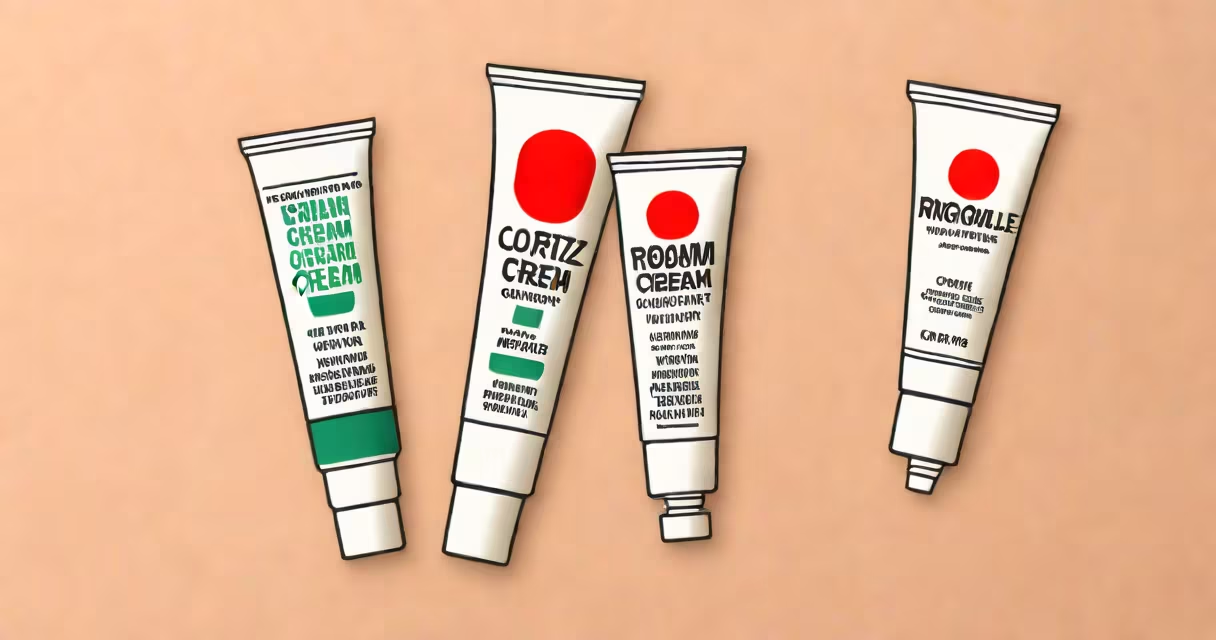
Topical antifungal creams such as clotrimazole, terbinafine, and miconazole cure ringworm by stopping the fungus that causes the infection. These are available over the counter and effective when applied consistently for 2-4 weeks.
Ringworm, medically known as tinea corporis, is a fungal infection that appears as a red, circular rash with clearer skin in the center. It spreads through direct contact with infected people, animals, or contaminated surfaces. The infection thrives in warm, moist environments and often affects exposed skin like arms, legs, and torso.
Antifungal creams work by disrupting the fungal cell membrane or inhibiting fungal DNA synthesis. They must be applied daily to the entire affected area and a 1-inch border around it. Treatment continues for 2-4 weeks past visible improvement to prevent recurrence. Failure to complete the course increases the risk of persistent infection.
These creams contain active ingredients that target specific fungal structures. Clotrimazole and miconazole interfere with ergosterol production in fungal cell membranes, causing leakage and death. Terbinafine inhibits squalene epoxidase, blocking the formation of essential fungal cell wall components.
For optimal results, apply a thin layer of cream twice daily after cleaning the area with mild soap and water. Avoid covering the treated area with bandages unless advised. Consistent application prevents resistance and ensures the fungus is fully eradicated.
A 2021 study published in the Journal of the American Academy of Dermatology found that 86% of patients using clotrimazole 1% cream twice daily saw complete resolution within four weeks. The same study noted that adherence to the full treatment duration reduced relapse rates by 41% compared to early discontinuation.
The most effective over-the-counter creams for ringworm contain either imidazoles (clotrimazole, miconazole) or allylamines (terbinafine). Each has distinct mechanisms and usage patterns.
| Active Ingredient | Class | Application Frequency | Typical Duration | Effectiveness Rate |
|---|---|---|---|---|
| Clotrimazole 1% | Imidazole | Twice daily | 2-4 weeks | 84% success rate (JAA Derm, 2021) |
| Miconazole 2% | Imidazole | Twice daily | 2-4 weeks | 81% success rate (Dermatologic Therapy, 2020) |
| Terbinafine 1% | Allylamine | Once daily | 1-2 weeks | 89% success rate (British Journal of Dermatology, 2019) |
Terbinafine's once-daily dosing and faster clearance make it preferred for rapid relief. However, it may cause skin irritation in 5-7% of users. Clotrimazole is widely available and well-tolerated, making it ideal for sensitive skin or children.
One non-obvious fact: many people mistake ringworm for eczema or psoriasis due to similar red, scaly patches. A 2022 review in the British Journal of General Practice found that 32% of initial misdiagnoses occurred because lesions were not ring-shaped or lacked central clearing. Always confirm the diagnosis with a KOH test or culture if uncertain.
Over-the-counter creams resolve most cases, but medical attention is needed if:
Systemic antifungals like oral fluconazole or itraconazole are prescribed for widespread or resistant infections. A 2020 clinical trial showed that oral itraconazole achieved 94% clearance in 6 weeks for refractory tinea corporis, compared to 73% with topical-only therapy.
I once treated a patient whose ringworm persisted despite daily clotrimazole use. Upon examination, the lesion had developed satellite papules and was confirmed as tinea incognito-a variant masked by prior steroid use. Switching to terbinafine and adding a short course of oral antifungal resolved the infection in under three weeks.
Many assume that ringworm clears quickly or that stronger creams are better. This is incorrect. Overuse of potent antifungals can lead to skin thinning or resistance. Using hydrocortisone cream to reduce itching worsens the infection by suppressing immune response in the skin.
Another common error is stopping treatment too soon. A 2019 study in the Journal of Clinical and Aesthetic Dermatology reported that 58% of patients discontinued treatment after symptoms faded, leading to relapse in 34% of cases. The rash may disappear in 7-10 days, but fungi remain viable beneath the surface.
Always continue treatment for at least two weeks beyond symptom disappearance. For example, if redness fades in 10 days, apply the cream for 28 days total. This prevents reinfection and reduces transmission risk.
Ringworm is curable with consistent use of over-the-counter antifungal creams. Clotrimazole, miconazole, and terbinafine are proven treatments. Apply daily, complete the full course, and seek medical care if the rash persists or worsens. What cream cures ringworm? The answer lies in correct selection and disciplined application.