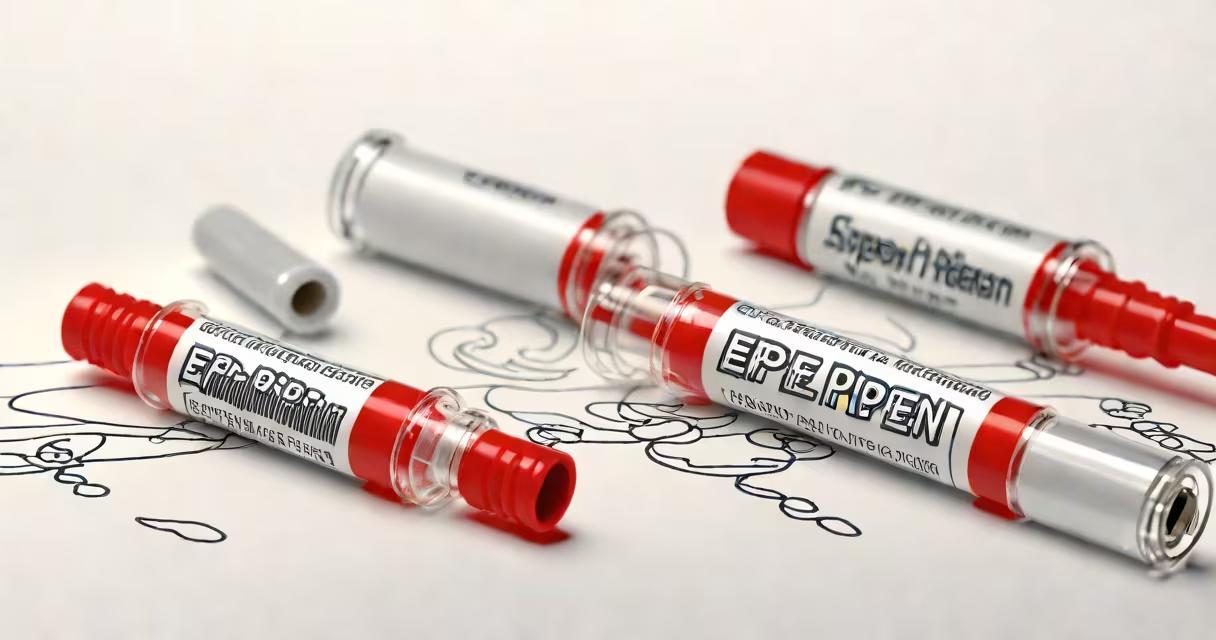
Epi pens deliver a measured dose of epinephrine to counteract the life-threatening symptoms of anaphylaxis, a severe allergic reaction that can cause airway swelling, low blood pressure, and loss of consciousness. They are designed for rapid self-administration during emergencies.
Anaphylaxis occurs when the immune system overreacts to a trigger-common ones include peanuts, bee stings, certain medications, or latex. Within minutes, swelling in the throat, difficulty breathing, dizziness, and shock can develop. Without intervention, death can follow within 15 to 30 minutes.
Epinephrine auto-injectors, commonly known as epi pens, are single-use devices that automatically inject a fixed dose of epinephrine into the thigh muscle when pressed against the skin. This injection triggers vasoconstriction (narrowing of blood vessels), reduces swelling, opens airways, and stabilizes heart function. The effect begins within 5 to 10 minutes and lasts up to 20 minutes.
When activated, the device's needle pierces the skin and delivers a precise amount of epinephrine-typically 0.3 mg for adults and 0.15 mg for children-into the outer thigh. The injector aims to be used through clothing, which allows for quick deployment even in stressful situations.
The mechanism relies on a spring-loaded needle and a pre-filled syringe. Users simply remove the safety cap, place the device against the thigh, and press firmly until it clicks. The injection completes in about 10 seconds. After use, the device should be discarded and replaced.
A 2021 study published in *The Journal of Allergy and Clinical Immunology* found that patients who administered epinephrine within 5 minutes of symptom onset had a 60% lower risk of requiring hospitalization compared to those who delayed treatment. Delayed use correlates directly with increased mortality.
There are several brands of epinephrine auto-injectors available in the U.S., each with similar functionality but slight differences in design and cost:
| Brand | Dose | Usage | Cost (approx.) |
|---|---|---|---|
| EpiPen (generic) | 0.3 mg (adult), 0.15 mg (child) | Standard for most adults and children over 30 kg | $300-$400 (without insurance) |
| Adrenaclick | 0.3 mg (adult), 0.15 mg (child) | Used by individuals with limited hand strength | $200-$300 |
| Auvi-Q | 0.3 mg (adult), 0.15 mg (child) | Includes audio instructions and visual cues | $300-$400 |
Despite brand differences, all deliver the same medication: epinephrine. The American Academy of Allergy, Asthma & Immunology (AAAAI) states that no brand is clinically superior-choice depends on user preference, ease of use, and insurance coverage.
Non-branded generic versions are now available under FDA approval. These are often less expensive and equally effective. A 2022 FDA review confirmed that generic epinephrine auto-injectors maintain consistent dosing accuracy and reliability across multiple batches.
Many people believe epinephrine is dangerous or addictive. This is false. Epinephrine is a hormone naturally produced by the adrenal glands during stress. Administering it externally does not create dependence. Side effects such as increased heart rate or trembling are temporary and expected.
Another widespread error is using the device on the arm or buttocks. The thigh muscle provides the fastest absorption and ensures consistent delivery. Injecting into the arm can result in slower onset and reduced effectiveness due to poor blood flow.
Some users think they can wait to see if symptoms worsen before using the pen. This is fatal. Anaphylaxis progresses rapidly. The CDC advises that epinephrine should be used at the first sign of a severe reaction-not after symptoms escalate.
In 2022, a 12-year-old student at a public school in Ohio developed hives, difficulty speaking, and swelling of the lips after eating a peanut-containing snack. The school nurse recognized early signs of anaphylaxis and administered an EpiPen within 3 minutes of symptom onset.
Within 8 minutes, the student's breathing stabilized. Emergency services arrived within 12 minutes and transported the child to the hospital. The child recovered fully and was discharged the next day. The school's policy required staff to carry epi pens and complete annual training.
This case illustrates that timely administration is critical. The student survived because the epinephrine was delivered early-before airway closure occurred.
Epinephrine is not appropriate for mild allergic reactions such as localized itching or minor rashes. For these, antihistamines like diphenhydramine (Benadryl) are sufficient. Using an epi pen unnecessarily exposes someone to side effects without benefit.
People with certain heart conditions may have contraindications. However, the risks of not treating anaphylaxis far outweigh the risks of epinephrine. The AAAAI emphasizes that "in anaphylaxis, the benefit of epinephrine use always exceeds the risk."
After using an epi pen, seek emergency medical care immediately-even if symptoms improve. Reactions can rebound hours later. A 2019 study in *Annals of Allergy, Asthma & Immunology* reported that 20% of patients experienced a recurrence of symptoms within 4 to 6 hours after initial improvement.
I once observed a parent administer an EpiPen to their child during a school field trip. The child had eaten a cookie containing hidden nuts. Within 90 seconds, the child began wheezing and turned pale. The parent, trained in first aid, removed the cap, pressed the device to the thigh, and held it for 10 seconds. Within 5 minutes, the child's breathing returned to normal.
What do epi pens do? They deliver a fast-acting dose of epinephrine to reverse the symptoms of anaphylaxis. They are essential tools for anyone with a history of severe allergies. Proper use-within minutes of symptom onset, into the thigh-can prevent death. Delaying use increases risk. Allergic reactions are unpredictable. Having an epi pen and knowing how to use it saves lives.