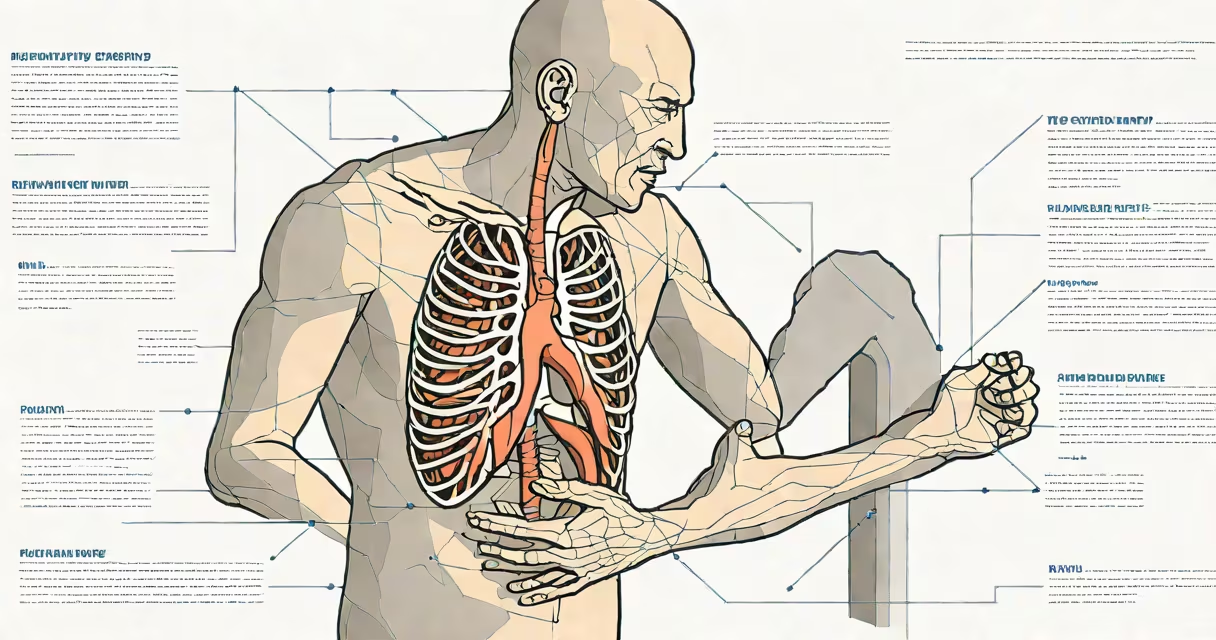
Difficulty breathing, medically known as dyspnea, occurs when you feel short of breath, unable to catch your breath, or struggle to draw air into your lungs. It's a symptom, not a diagnosis, and indicates your body may not be getting sufficient oxygen. This sensation can develop suddenly or gradually and varies in intensity from mild to severe.
Dyspnea results when the body's demand for oxygen exceeds supply, or when the respiratory system cannot function efficiently. Common causes include asthma, pneumonia, heart failure, pulmonary embolism, anxiety, and chronic obstructive pulmonary disease (COPD). The sensation often triggers alarm because breathing is essential for survival. When it feels labored, the nervous system responds with urgency.
According to the American Lung Association, dyspnea affects nearly 1 in 10 adults annually, with higher rates among older individuals and those with preexisting conditions. The National Heart, Lung, and Blood Institute notes that sudden onset of difficulty breathing requires immediate attention, especially if accompanied by chest pain, dizziness, or cyanosis (bluish lips).
When you inhale, air travels through the nose or mouth, down the trachea, and into the lungs. Oxygen passes through the alveoli-tiny air sacs-and enters the bloodstream via capillaries. Hemoglobin in red blood cells binds oxygen and transports it to tissues. Carbon dioxide, a waste product, returns to the lungs to be exhaled.
Difficulty breathing arises when this process is disrupted. Obstruction in the airways, fluid in the lungs, weakened respiratory muscles, or reduced cardiac output can all impair gas exchange. For example, during a severe asthma attack, bronchial tubes constrict, reducing airflow. In heart failure, fluid builds up in the lungs (pulmonary edema), making it harder for oxygen to pass into the blood.
A 2021 study published in *Respiratory Care* found that patients reporting dyspnea during exertion had a 40% higher risk of hospitalization within six months compared to those without symptoms. This underscores that the sensation is not just uncomfortable-it's a warning sign of underlying dysfunction.
Dyspnea is categorized by onset and context. Acute dyspnea develops rapidly-within minutes to hours-and often signals a medical emergency. Chronic dyspnea persists for weeks or longer and may stem from long-term conditions like COPD or heart disease.
| Type | Onset | Common Causes | Red Flags |
|---|---|---|---|
| Acute | Sudden (minutes to hours) | Pulmonary embolism, heart attack, anaphylaxis, severe asthma | Chest pain, cold sweats, confusion, inability to speak |
| Chronic | Gradual (weeks to months) | COPD, heart failure, interstitial lung disease | Worsening with activity, waking at night, needing extra pillows |
| Exertional | During physical effort | Anemia, deconditioning, early heart disease | Improves with rest, no symptoms at rest |
One non-obvious distinction: dyspnea is not always due to lung problems. A 2020 review in *The Lancet Respiratory Medicine* reported that up to 30% of cases linked to heart conditions were initially misdiagnosed as respiratory issues. Patients with left-sided heart failure often describe "air hunger" or feeling smothered, especially when lying flat-a condition called orthopnea.
People often confuse difficulty breathing with panic attacks. While both involve rapid, shallow breathing and a sense of suffocation, panic-related dyspnea typically resolves quickly with calming techniques and lacks physical signs like cyanosis or wheezing. However, distinguishing between them is critical-panic disorder can mimic life-threatening conditions.
Another misconception is that shortness of breath is normal with aging. The National Institute on Aging clarifies that while lung capacity declines slightly after age 35, significant breathlessness during routine activities like walking up stairs is not typical and warrants investigation. A 65-year-old man who previously climbed stairs without effort now stopping halfway is not experiencing "normal aging"-he may have early-stage heart failure.
I once observed a patient in an urgent care clinic who described "tightness in the chest and not being able to breathe." He was a smoker with a history of high blood pressure. Initial assessment showed a respiratory rate of 28 breaths per minute and oxygen saturation of 89% on room air. After a quick EKG and chest X-ray, he was diagnosed with a small pulmonary embolism-evidence that dyspnea can mask serious vascular events.
Seek immediate care if difficulty breathing is sudden, severe, or accompanied by:
For persistent or recurring symptoms, consult a healthcare provider. Diagnostic tools include spirometry (lung function test), echocardiogram (heart ultrasound), chest CT scan, and arterial blood gas analysis. Treatment depends on the cause-oxygen therapy, medications like bronchodilators or diuretics, or interventions such as stenting or clot-busting drugs.
Understanding what difficulty breathing means begins with recognizing it as a signal-not a standalone illness. It reflects physiological imbalance and demands accurate interpretation. Ignoring it increases risk of complications, including respiratory failure.
If you're experiencing ongoing breathlessness, offloading stress-related symptoms may help, but only after ruling out organic causes. Always prioritize medical evaluation over self-diagnosis.