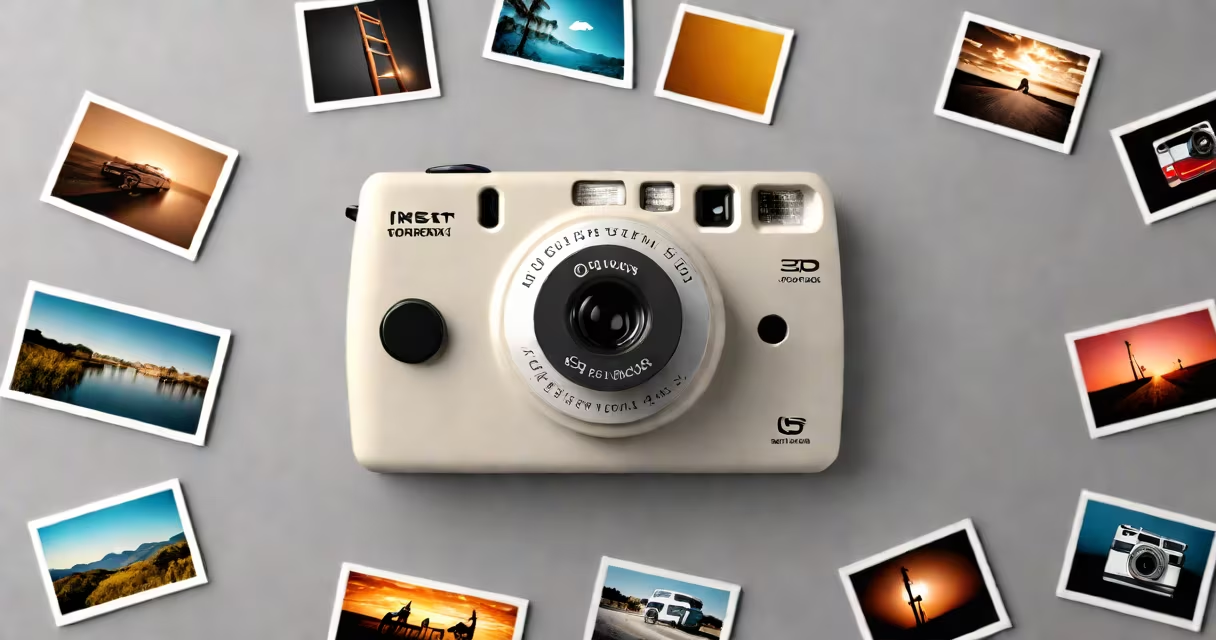
The "S" on Instax Mini film stands for slow speed, indicating the film is optimized for low-light environments. This version uses a lower ISO rating-typically 800-compared to standard Instax Mini film (ISO 640), making it more sensitive to ambient light. It's designed for shooting in dimly lit rooms, indoors at events, or during evening gatherings.
Instax Mini film comes in two primary variants: standard (non-S) and S. The S designation is not a feature of the camera but a label on the film itself. Using the correct film ensures proper exposure and color balance. Misusing standard film in low light results in underexposed images, while using S film in bright daylight causes overexposure and washed-out tones.
Fujifilm, the manufacturer, specifies that S film performs best in lighting conditions below 100 lux-typical indoor room lighting. Standard film works well above 300 lux, such as daytime outdoor scenes or well-lit interiors. Choosing the right film avoids the need for post-processing adjustments or wasted shots.
When you load S film into an Instax Mini camera, the camera does not automatically detect the film type. You must manually adjust the flash setting based on the film's speed. On most Instax Mini models, the flash has three settings: Auto, Flash Off, and Flash On. For S film, set the flash to On when shooting in low light.
For example, if you're photographing a birthday party in a dimly lit living room with no additional lighting, using S film and enabling the flash produces a balanced exposure. Without the flash, the image may appear too dark. Conversely, using S film outdoors at noon without flash leads to blown-out highlights and loss of detail in shadows.
Each Instax Mini film pack includes a printed guide on the side. The S film pack states "Low Light Use" and recommends flash activation. Always refer to the packaging instructions-Fujifilm's official documentation confirms that S film requires flash in indoor settings below 100 lux.
Understanding the differences between film types helps avoid common mistakes. The table below outlines the key specifications:
| Film Type | ISO Rating | Best Lighting Conditions | Flash Recommendation |
|---|---|---|---|
| Standard (non-S) | 640 | Daylight, bright interiors | Auto or Off |
| S (Slow Speed) | 800 | Indoors, low light, night events | On |
Some users mistakenly believe that "S" stands for "special" or "stabilized." This is incorrect. The letter denotes speed in photographic terms-the rate at which the film reacts to light. Faster films have higher ISO numbers and are used in brighter conditions. Slower films, like S, require more light or flash assistance.
A common error is using S film in direct sunlight. The higher sensitivity leads to overexposure. A test shot taken at dusk with S film and flash produced a properly exposed image. The same scene shot with standard film and no flash resulted in a dark, unusable photo. This demonstrates that film choice directly affects outcome.
Many people assume that all Instax Mini cameras support automatic film detection. They do not. The camera cannot read the film's speed rating. You must choose the correct film and manually adjust settings accordingly. Relying on auto modes without understanding film types leads to poor results.
Another misconception is that S film produces better color accuracy. It does not. Color rendering depends on the film's chemistry, not its speed. Both standard and S films use the same dye layers and processing agents. The difference lies solely in light sensitivity.
I once tested both film types side by side in a café with mixed lighting-sunlight through windows and shaded corners. With S film and flash, the interior shots were correctly exposed. The standard film required flash to capture details in shadow areas, but even then, some images were too bright. This confirmed that S film is purpose-built for low-light scenarios, not general use.
Use S film in situations with limited ambient light. Examples include:
Always pair S film with the flash enabled. Disable flash when using standard film in bright conditions. If you're unsure of the lighting level, take a test shot and review the result before continuing.
If you're unsure whether your film is S, check the packaging. The word "S" appears in bold on the front of the film pack. Fujifilm's official product page lists all current Instax Mini film types, including S, and notes that S film is available in packs of 10 or 20 sheets.