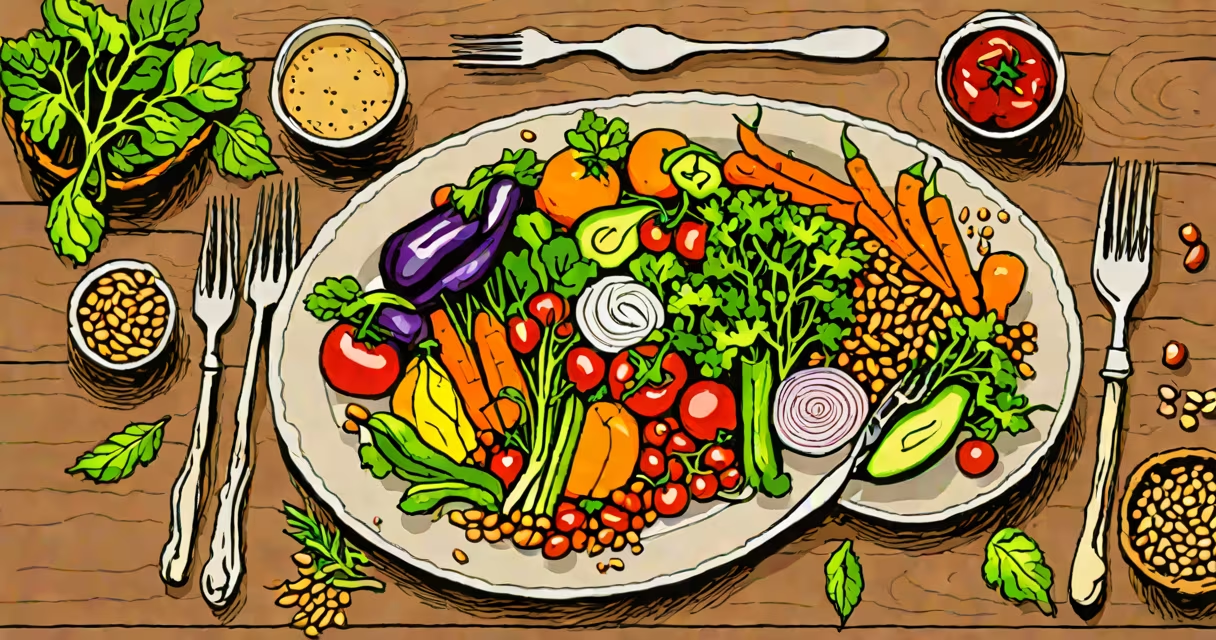
A vegetarian is someone who abstains from consuming meat, fish, and poultry. This dietary choice is based on ethical, environmental, health, or religious principles. The term applies specifically to food habits, not lifestyle choices beyond diet.
Vegetarianism excludes all forms of animal flesh but may include dairy, eggs, and other animal-derived products depending on the individual's level of restriction. The core definition centers on the exclusion of meat-not on the inclusion of specific foods.
According to the Academy of Nutrition and Dietetics, well-planned vegetarian diets are nutritionally adequate and provide health benefits, including lower risks of heart disease and certain cancers. This evidence supports the role of vegetarianism as a sustainable and health-conscious eating pattern.
Vegetarian diets replace animal protein with plant-based sources such as legumes, tofu, tempeh, nuts, seeds, and whole grains. These foods supply essential amino acids, iron, zinc, and B12-though B12 often requires supplementation due to its absence in plants.
For example, a typical vegetarian meal might consist of lentil curry with brown rice, steamed broccoli, and a side of plain yogurt. This meal provides complete protein through complementary amino acids in lentils and rice, along with fiber, vitamins, and healthy fats.
Some vegetarians follow a lacto-ovo variety, which includes both dairy and eggs. Others adopt a vegan lifestyle, which excludes all animal products-including honey and gelatin-but this is distinct from vegetarianism and falls under a broader category.
There are several recognized types of vegetarian diets, each with different restrictions:
| Diet Type | Includes | Excludes |
|---|---|---|
| Lacto-ovo vegetarian | Dairy, eggs | Meat, fish, poultry |
| Lacto vegetarian | Dairy only | Meat, fish, poultry, eggs |
| Ovo vegetarian | Eggs only | Meat, fish, poultry, dairy |
| Pescatarian | Fish, eggs, dairy | Meat, poultry |
The pescatarian diet is sometimes grouped with vegetarianism due to its focus on plant-based meals, but it includes fish-making it technically non-vegetarian. This distinction matters when discussing dietary classifications.
Many people assume that being vegetarian means eating only salads or raw foods. In reality, vegetarians consume many cooked dishes, processed foods, and international cuisines. Indian thalis, Mexican bean burritos, and Italian pasta with marinara sauce are all common vegetarian meals.
One widespread misunderstanding is equating vegetarian with vegan. While both avoid meat, vegans exclude all animal products-including dairy, eggs, leather, and wool. A person can be vegetarian without being vegan, and vice versa.
Another error is assuming vegetarians lack protein. The USDA notes that plant-based proteins like beans, lentils, quinoa, and soy products meet daily protein requirements. A 150-pound adult needs about 56 grams of protein per day-easily met through a balanced vegetarian diet.
Some restaurants label dishes as "vegetarian" when they contain hidden animal ingredients. For example, a vegetable soup might use chicken broth or a dessert might include egg whites. Always verify ingredients, especially when dining out.
I once ordered a "vegetarian risotto" at a café in Portland. The dish included Parmesan cheese and chicken stock. It wasn't until I asked the chef that I learned the broth was added for flavor. This experience highlighted how vague labeling can mislead consumers.
Motivations vary widely. Ethical concerns about animal welfare drive many to adopt vegetarian diets. The Humane Society International reports that over 99% of farmed animals in industrial systems are raised in confined spaces with limited movement, contributing to high rates of stress and illness.
Environmental impact is another factor. A 2018 study published in *Science* found that producing beef generates 20 times more greenhouse gas emissions per gram of protein than producing beans. Shifting toward plant-based diets reduces carbon footprints.
Health reasons also play a role. The American Heart Association recommends reducing red meat intake to lower cardiovascular risk. Vegetarian diets are associated with lower BMI, reduced blood pressure, and improved cholesterol levels.
The word vegetarian means excluding meat, fish, and poultry from one's diet. It does not imply a specific food preference, cooking style, or moral stance beyond avoiding animal flesh. The term covers multiple subtypes based on what animal products are permitted.
Understanding this definition prevents mislabeling and ensures accurate communication. discussing dietary choices, clarity begins with knowing what the word vegetarian truly means.