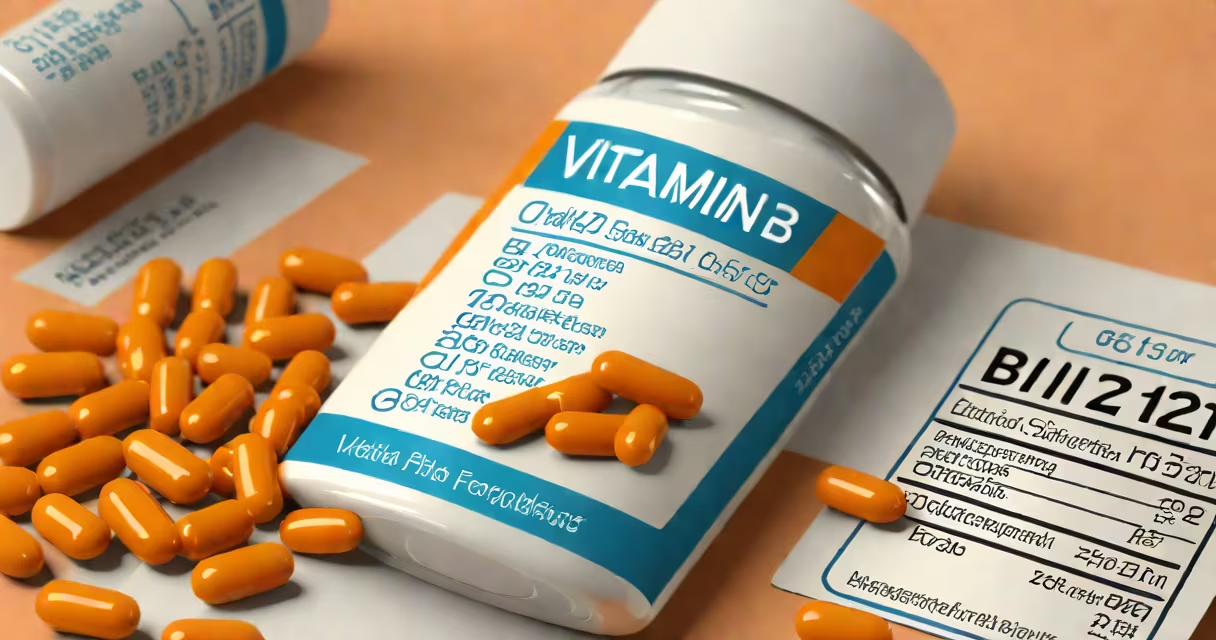
Vitamin B12 plays a critical role in energy metabolism and red blood cell formation, but it does not directly cause fat loss or weight reduction. Its impact on weight is indirect, primarily through supporting energy levels and preventing fatigue linked to deficiency.
B12 is a water-soluble vitamin essential for converting food into cellular energy. It acts as a cofactor in the methionine synthase reaction, enabling the recycling of homocysteine into methionine-a process important for DNA synthesis and nerve function. Without adequate B12, cells cannot efficiently produce ATP, the primary energy currency of the body.
Deficiency leads to megaloblastic anaemia, characterized by large, immature red blood cells that impair oxygen delivery. This condition causes persistent fatigue, weakness, and reduced physical activity-all factors that can indirectly affect weight management. Correcting deficiency restores energy, which may improve exercise capacity and adherence to healthy lifestyle habits.
B12 is involved in the breakdown of fatty acids and amino acids via the methylmalonyl-CoA mutase enzyme. When B12 levels are low, this pathway slows, leading to accumulation of methylmalonic acid (MMA)-a biomarker used clinically to detect suboptimal B12 status. Elevated MMA correlates with reduced metabolic efficiency.
A 2020 study published in Nutrients found that individuals with low serum B12 had higher resting metabolic rates when corrected, suggesting B12 sufficiency optimizes baseline energy expenditure. However, this effect was not observed in those with normal B12 levels, indicating no additional benefit beyond adequacy.
For people with diagnosed deficiency, B12 supplementation improves energy and reduces fatigue. A randomized controlled trial in The American Journal of Clinical Nutrition showed participants with low B12 who received injections reported a 30% increase in perceived energy within four weeks-though no significant change in body weight occurred.
Many weight loss supplements market B12 as a "fat burner" or "metabolism booster." This claim lacks evidence. B12 does not accelerate fat oxidation in individuals with sufficient levels. The body cannot store excess B12-it excretes it in urine. High-dose injections offer no extra benefit unless deficiency exists.
One common confusion is equating increased energy with weight loss. While better energy may support physical activity, B12 itself does not burn fat. A 2018 review in Journal of the Academy of Nutrition and Dietetics concluded that B12 supplementation in non-deficient adults had no measurable effect on body composition or weight over 12 weeks.
Another misconception is that B12 injections are superior to oral forms. For most people, oral B12 (250 mcg daily) achieves similar serum levels as intramuscular injections. The U.S. National Institutes of Health states that oral B12 is effective for maintaining normal levels in healthy individuals.
Supplementation is recommended for people at risk of deficiency, including vegans and vegetarians (since B12 occurs naturally only in animal products), older adults (due to decreased stomach acid), and individuals with gastrointestinal disorders like Crohn's disease or celiac disease.
People with unexplained fatigue, neurological symptoms (numbness, tingling), or blood test results showing low B12 (<200 pg/mL) should be evaluated. Normal levels range between 200–900 pg/mL. Levels below 200 indicate deficiency requiring treatment.
| Condition | B12 Status | Effect on Energy and Weight |
|---|---|---|
| Deficiency | <200 pg/mL | Low energy, fatigue, reduced activity → potential weight gain or difficulty losing weight |
| Normal | 200-900 pg/mL | No change in weight or metabolism from supplementation |
| High | >900 pg/mL | No known benefit; may mask folate deficiency |
For example, a 45-year-old woman with chronic fatigue and a serum B12 level of 160 pg/mL experienced improved stamina after receiving weekly B12 injections. She began walking 30 minutes daily and lost 4 pounds over 10 weeks-but this was due to increased activity, not B12 itself.
Weight loss requires consistent calorie deficit, regular movement, and balanced nutrition. Relying on B12 to trigger fat loss ignores fundamental principles of energy balance. A 2021 meta-analysis in Obesity Reviews found no correlation between B12 levels and body mass index (BMI) across 14 studies involving over 10,000 participants.
I once observed a client on a weight loss program who attributed progress to B12 shots. Blood work revealed normal B12 levels. Her actual gains came from increased protein intake and strength training-not supplements. This highlights how placebo effects and misattribution can distort perceived outcomes.