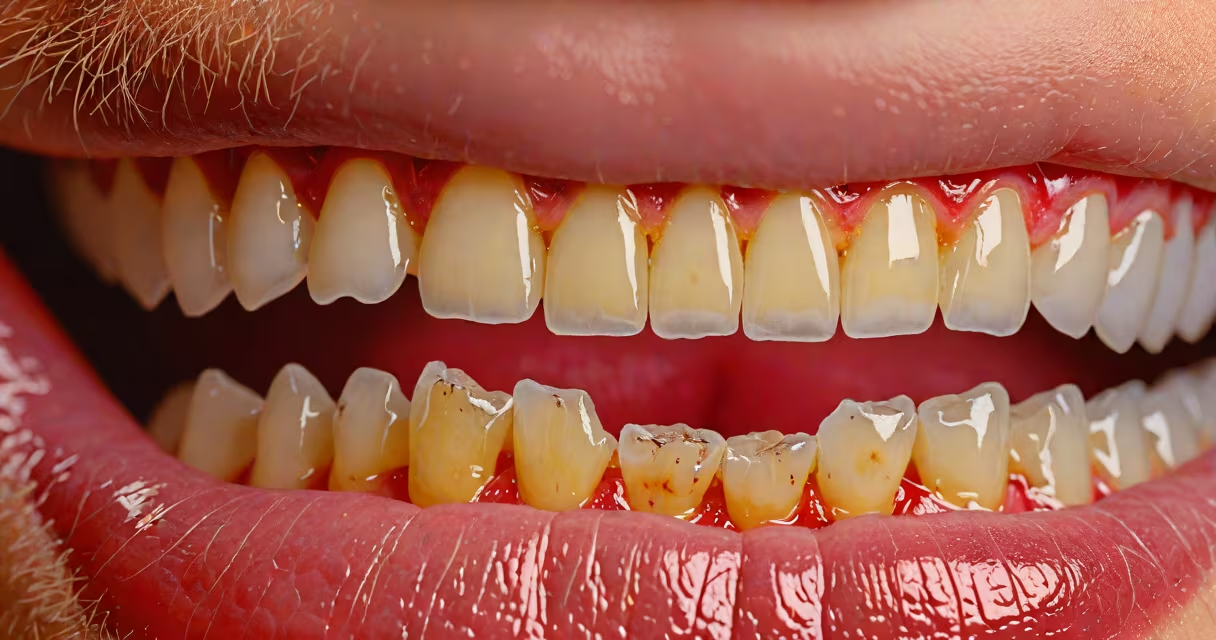
Sexually transmitted infections (STIs) can cause visible changes in the mouth, including sores, patches, swelling, or white spots-often without pain. These signs may mimic common oral conditions, making diagnosis difficult without testing.
Oral STIs are caused by bacteria, viruses, or parasites transmitted through oral sex or close contact. They don't always show symptoms, but when they do, appearance varies by infection type. Common visual indicators include ulcers, red or white patches, swollen lymph nodes, and persistent sore throat.
According to the CDC, nearly 1 in 5 people aged 15-49 in the U.S. has a genital herpes infection, and oral herpes (HSV-1) is widespread-about 48% of Americans carry it. However, many don't recognize oral herpes as an STI because it often appears as cold sores near the lips, not inside the mouth.
Each STI causes distinct oral signs. Herpes simplex virus (HSV-1 or HSV-2) leads to small, painful blisters or shallow ulcers on the gums, tongue, or inner cheeks. These often cluster and rupture into open sores. A 2021 study in *The Journal of Infectious Diseases* found that 67% of patients with oral HSV reported visible lesions during clinical exams.
Gonorrhea, caused by *Neisseria gonorrhoeae*, can result in a red, inflamed throat with white or yellow discharge. Some individuals develop tonsillitis-like symptoms, but throat swabs confirm the presence of bacteria. The American Academy of Otolaryngology-Head and Neck Surgery notes that untreated oral gonorrhea may lead to complications such as pharyngeal abscesses.
Syphilis in its secondary stage can produce painless, flat, grayish-white patches called mucous patches on the mouth's mucosa. These lesions may be mistaken for thrush or lichen planus. The CDC reports that oral syphilis lesions are often misdiagnosed due to their similarity to benign conditions.
The following table outlines major STIs affecting the mouth, their typical appearance, and diagnostic methods.
| STI | Typical Mouth Appearance | Diagnostic Method |
|---|---|---|
| Herpes Simplex Virus (HSV) | Small, painful blisters or shallow ulcers on gums, tongue, or inside cheeks; may crust over | PCR test from lesion swab; blood antibody test |
| Gonorrhea (*N. gonorrhoeae*) | Red, swollen throat; white/yellow pus on tonsils; persistent sore throat | Throat swab culture or nucleic acid amplification test (NAAT) |
| Syphilis (Treponema pallidum) | Painless, grayish-white mucous patches; may affect lips or gums | Blood test (RPR/VDRL); confirmatory test (FTA-ABS) |
| Chlamydia (*Chlamydia trachomatis*) | Often asymptomatic; may cause mild throat irritation or swelling | NAAT from throat swab |
When I treated a patient with persistent mouth ulcers and a history of unprotected oral sex, initial suspicion was oral herpes. But a throat swab revealed *N. gonorrhoeae*. The patient had no throat pain-just a red, irritated patch. This case highlights how oral STIs can mimic other conditions.
Many oral STIs are invisible or resemble everyday issues. Thrush (a fungal infection) causes white patches, but those are typically removable with a swab. Oral herpes sores may look like canker sores-small, round, and painful-but herpes lesions often appear in clusters and heal slowly.
A key distinction: canker sores are not infectious. They are triggered by stress, injury, or food sensitivity. Herpes sores, however, are contagious and can recur. The American Dental Association warns that confusing herpes with canker sores delays treatment and increases transmission risk.
Another misconception is that oral STIs only affect people with multiple partners. That's false. Anyone who engages in oral sex-even with a single partner-is at risk. The CDC states that 1 in 4 sexually active teens in the U.S. has an STI, and many don't know it.
If you notice a mouth sore lasting longer than 10 days, a persistent sore throat, or unexplained white patches, see a healthcare provider. Self-diagnosis is unreliable. A dentist or doctor may take a swab from the lesion or perform a blood test.
For example, a 24-year-old woman presented with a white patch on her tongue and a history of oral sex. She assumed it was thrush. After a biopsy and NAAT testing, she was diagnosed with oral chlamydia. Treatment with azithromycin cleared the infection within two weeks.
Testing is essential-even if symptoms disappear. Many STIs remain active and transmissible without visible signs. The CDC recommends routine screening for sexually active adults, especially those with new or multiple partners.
Understanding what do STDS look like in your mouth helps you act quickly. Recognizing the difference between a harmless canker sore and a herpes lesion can prevent long-term health risks. Always get tested if you've had exposure-visual clues alone aren't enough.