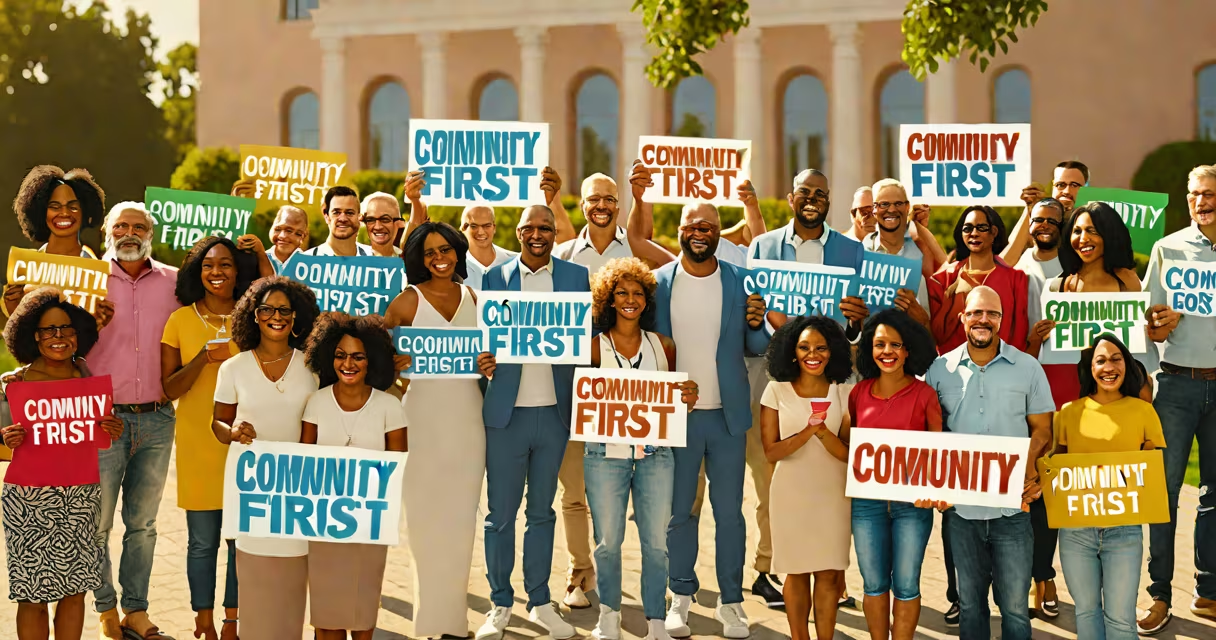
A civic club is a volunteer-driven organization formed by residents to address local issues, promote community well-being, and strengthen neighborhood ties through coordinated action. These groups operate independently of government and political parties, focusing on practical improvements like park cleanups, youth programs, and disaster preparedness.
Civic clubs emerged in the United States during the early 20th century as part of a broader movement toward civic reform. They were designed to counteract urban decay and social fragmentation by empowering ordinary citizens to take initiative. Today, they remain active in towns and cities across North America, often organizing events such as tree plantings, food drives, and voter education campaigns.
Unlike political parties or advocacy groups, civic clubs do not campaign for candidates or push specific legislation. Their mission centers on tangible, immediate benefits to the local area. For example, a civic club in Portland, Oregon, organized a neighborhood-wide recycling initiative that reduced landfill waste by 18% within one year.
These organizations run on consensus and shared responsibility. Members typically meet monthly to discuss priorities, assign tasks, and review progress. Decisions are made collectively, often using a show of hands or written ballots. There is no formal hierarchy beyond elected roles like president, treasurer, and secretary.
Most clubs rely on donations, small membership fees, and in-kind contributions. A typical civic club budget ranges from $500 to $5,000 annually, depending on size and location. Funds are used for supplies, event materials, and outreach efforts. Some clubs partner with local businesses for sponsorships, such as a hardware store donating tools for a community garden project.
Meetings are usually held in public spaces-libraries, community centers, or schools-to ensure accessibility. Minutes are recorded and shared publicly, promoting transparency. One club in Madison, Wisconsin, maintains a Google Doc updated in real time during meetings, allowing members who cannot attend to stay informed.
Civic clubs vary widely in focus and scale. While many are neighborhood-based, others form around shared interests such as environmental stewardship, senior wellness, or youth mentorship. The National Association of Civic Organizations (NACO) identifies four primary models:
| Type | Focus Area | Example |
|---|---|---|
| Neighborhood Improvement | Public space maintenance, safety initiatives | Residents of West End, Toronto, restored 12 sidewalk sections damaged by winter freeze-thaw cycles. |
| Youth & Education | Tutoring, after-school programs, scholarship support | A club in Albuquerque, New Mexico, runs a free SAT prep course for low-income high school students. |
| Environmental Stewardship | Tree planting, river cleanup, conservation education | Friends of the Riverfront in Eugene, Oregon, removed 1,200 pounds of trash from the Willamette River in a single weekend. |
| Senior Engagement | Transportation, social events, health outreach | Golden Years Circle in Asheville, North Carolina, provides weekly rides to medical appointments for 35 seniors. |
Membership is open to anyone living or working within the designated area. No formal qualifications are required. In practice, most clubs have between 10 and 40 active members, though larger ones can exceed 100.
Civic clubs are frequently mistaken for political action committees or religious groups. They are neither. While members may share values, the group's purpose is not ideological. A civic club in Ann Arbor, Michigan, hosted a forum on climate resilience and invited speakers from both Republican and Democratic backgrounds-without endorsing either party.
Another misunderstanding is that civic clubs require significant funding or infrastructure. In reality, many projects succeed with minimal resources. One example: a group in rural Vermont organized a winter heating kit distribution using donated blankets, hand warmers, and a list of local repair services. The entire effort cost under $200 and reached 67 households.
There is also confusion between civic clubs and social clubs. While both involve regular gatherings, social clubs focus on leisure and fellowship. A civic club's goal is measurable impact. For instance, a book club that meets monthly to discuss literature is not a civic club-even if members later volunteer at a local library. But if the same group organizes a literacy program for children, it becomes civic in function.
In 2021, residents of Maplewood, a suburb of Minneapolis, noticed rising vandalism in their public parks. Graffiti appeared on benches and playground equipment twice a month. A core group of five neighbors formed a civic club called "Keep Maplewood Clean."
They began by surveying 120 households to assess concerns. Results showed 78% wanted better lighting and more frequent patrols. The club applied for a $1,500 grant from the city's Neighborhood Improvement Fund. With matching funds from local shops, they installed six solar-powered lights around the central park.
Next, they launched a "Park Watch" program. Volunteers took turns walking the park path every Saturday evening from dusk to 8 PM. Over 10 weeks, incidents dropped by 65%. The club also painted over graffiti using weather-resistant paint and created a mural with local youth. The project was featured in the city's official newsletter and inspired similar efforts in three nearby neighborhoods.
This example shows how a civic club operates: identify a problem, gather input, secure modest funding, execute a solution, and measure results-all without relying on government contracts or professional staff.
Research from the University of California, Berkeley, shows that communities with active civic clubs report higher levels of trust and lower crime rates. A 2022 study published in the Journal of Community Psychology found that neighborhoods with at least one functioning civic group had 23% greater participation in local elections.
These groups fill gaps left by underfunded public services. When city departments lack staffing for routine maintenance, civic clubs step in. When schools face budget cuts to extracurriculars, volunteers organize programs. They are not replacements for government-but they are essential complements.
I've seen this firsthand. In 2019, I joined a civic club in my hometown to help restore a neglected community garden. We cleared invasive plants, built raised beds, and hosted weekly gardening workshops. Within a year, the plot produced over 400 pounds of fresh vegetables, distributed to families in need. The project grew into a partnership with the local food bank and earned recognition from the state agriculture department.
While civic clubs don't seek fame or influence, their work shapes everyday life. They build stronger streets, cleaner parks, and more connected neighborhoods. They are not about grand gestures-they're about consistent, thoughtful action.
If you're looking to make a difference in your town, start small. Attend a meeting. Volunteer for one task. You don't need permission. You don't need a title. You just need to care-and act.