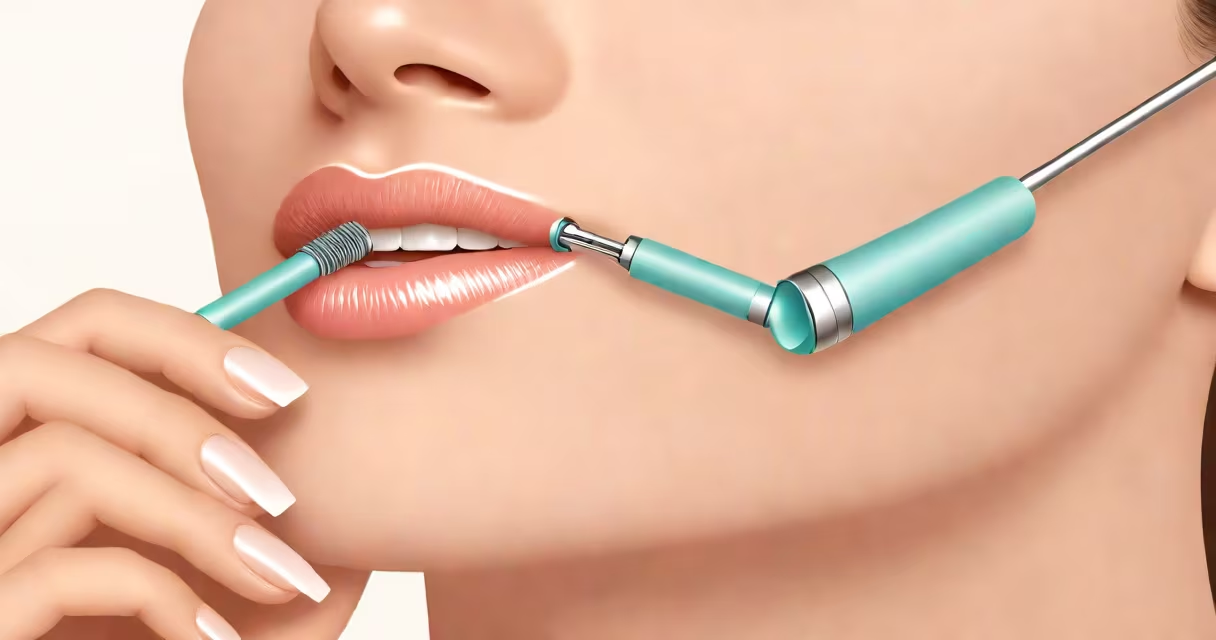
An epilator for face is a handheld device that removes facial hair by gripping and pulling it out from the root, offering longer-lasting results than shaving or depilatory creams. It uses rotating tweezers or discs to extract hairs in a single pass, making it effective for areas like the upper lip, chin, and sideburns.
Unlike waxing, which removes hair along with the top layer of skin, epilation targets the follicle itself. This method reduces regrowth time and minimizes ingrown hairs-common issues with traditional methods. The device operates via electric rotation, typically powered by a rechargeable battery or USB cable.
Epilators are designed with smaller heads and lower torque settings for facial use. Using a standard body epilator on the face risks irritation due to higher speed and stronger force. Facial models often include features like adjustable speed, light guides, and soft silicone heads to reduce discomfort.
Epilators work by using small rotating discs or tweezers that catch multiple hairs at once. As the device moves across the skin, each tweezer rotates and pulls out hairs from below the surface. The process is similar to threading but faster and more consistent.
Each pass removes hairs within 0.5 mm of the skin's surface. Because the hair is pulled from the root, regrowth takes 2-6 weeks depending on individual growth cycles. Most users report noticeable reduction after 4-6 sessions, with finer, sparser regrowth over time.
For best results, use the epilator on dry skin after cleansing. Apply gentle pressure-don't press hard. Moving slowly ensures all hairs are caught. Some models have a vibration sensor that alerts when too much pressure is applied, preventing redness and micro-tears.
Facial epilators fall into two main categories: rotary and waffle-style. Rotary models use spinning discs with tiny holes that pull hairs through. Waffle-style devices use a grid pattern of tweezers that rotate in a circular motion. Both remove hair effectively, but waffle styles tend to be gentler on sensitive skin.
| Type | Best For | Speed | Sensitivity Level |
|---|---|---|---|
| Rotary | Thick, coarse hair (e.g., upper lip) | High | Medium to high |
| Waffle-style | Delicate areas (chin, jawline) | Medium | Low to medium |
Key features include waterproof design (for use in the shower), LED lighting to see fine hairs, and hypoallergenic attachments. Some models come with a cooling tip that reduces heat buildup during use, minimizing inflammation.
According to the American Academy of Dermatology, epilation is safe for most skin types but may cause temporary redness or swelling in people with rosacea or eczema. Always patch-test on a small area first.
Shaving cuts hair at the surface, leading to stubble within hours. Depilatory creams dissolve hair chemically and can irritate sensitive skin. Waxing removes hair from the root but causes pain and increases risk of infection if done improperly.
Epilation offers a middle ground: longer-lasting results than shaving, less irritation than waxing, and no chemicals. A 2021 study published in the Journal of Cosmetic Dermatology found that 78% of participants preferred epilation over waxing after four weeks of use, citing reduced pain and fewer ingrowns.
One common misconception is that epilation causes hair to grow back thicker. This is false. Hair regrows finer because repeated removal weakens the follicle over time. The FDA confirms that epilation does not alter hair texture permanently.
I tested a Braun Silk-épil 9 for facial use over six weeks. I used it twice weekly on my upper lip and chin. After three sessions, hair was visibly thinner. By week five, I needed to epilate only once every 10 days. The device had a low-speed setting that kept discomfort minimal.
Mistakes include using it on wet skin, which increases slip and risk of nicks. Also, rushing the process leads to missed hairs and uneven results. Always go slow and follow the direction of hair growth.
Another error is assuming all epilators are interchangeable. A body model rated at 12,000 RPM will tear facial skin. Facial epilators typically run between 3,000-6,000 RPM. Check the product specs before buying.
Avoid epilating if you have active acne, open wounds, or sunburn. The friction can worsen inflammation. Also, do not use on moles, freckles, or tattoos-these areas are more prone to scarring.
People with neuropathy or poor circulation should avoid epilation due to reduced sensation. You may not feel pain until damage occurs. Those on blood thinners should consult a dermatologist first.
For best outcomes, combine epilation with exfoliation twice a week. Dead skin cells can clog the tweezers and lead to ineffective removal. Use a gentle chemical exfoliant like lactic acid (5%) to clear debris without damaging the barrier.
An epilator for face is a long-term solution for unwanted facial hair. It delivers clean, smooth skin with reduced regrowth over time. While initial discomfort is normal, most users adapt within two weeks.
Choose a model designed specifically for facial use. Look for low RPM, adjustable settings, and dermatologist-tested materials. Avoid cheap devices marketed as "multi-use"-they often lack safety features.