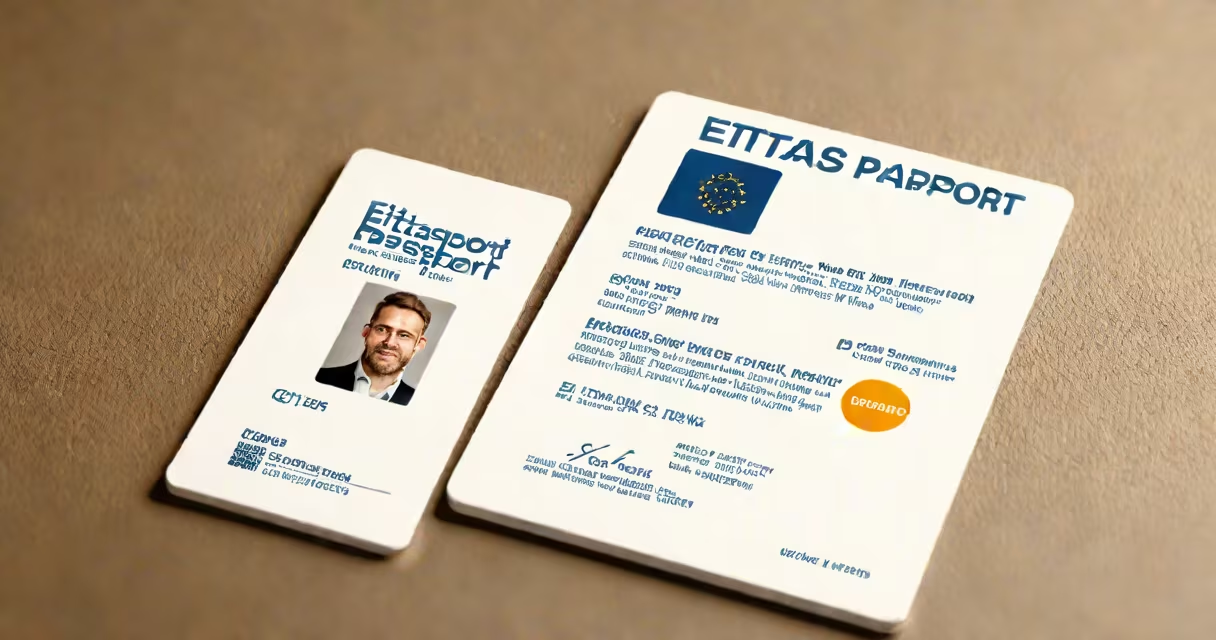
The European Travel Information and Authorization System (ETIAS) is a pre-travel authorization required for citizens of visa-exempt countries wishing to visit Schengen Area nations for short stays. It functions as a security screening tool, similar to the U.S. ESTA, and became mandatory for travelers entering the Schengen Zone starting May 2025.
ETIAS is not a visa. It does not grant long-term residence rights or work permissions. Instead, it verifies identity, checks against security databases, and confirms eligibility for temporary visits of up to 90 days within any 180-day period. All applicants must complete an online form, pay a €7 fee, and receive approval before travel.
Travelers from 60 countries, including the United States, Canada, Australia, Japan, and South Korea, will need ETIAS. Citizens of EU member states and those with valid visas do not require it. The system aims to strengthen border security while streamlining entry for low-risk travelers.
Applicants submit personal information-including name, date of birth, nationality, passport details, contact info, and travel history-through the official ETIAS portal. The system cross-references data with EU databases such as Eurodac, SIS II, and Interpol's watchlists.
Processing times average 20 minutes, though most applications are approved within 96 hours. Rejections are rare but may occur due to prior criminal records, overstayed visas, or false information. Applicants receive a decision via email and can appeal if denied.
Once approved, ETIAS is valid for three years or until the passport expires, whichever comes first. It allows multiple entries into any Schengen country during that time. Travelers must carry their passport and ETIAS confirmation number when crossing borders.
Citizens of 60 countries currently exempt from Schengen visas must obtain ETIAS. These include all NATO allies and major global partners. Examples: U.S. (citizens born after 1981), UK (post-Brexit), Australia, New Zealand, Japan, South Korea, Singapore, and Canada.
Residents of countries not on the list-such as India, Brazil, and China-still require Schengen visas. ETIAS does not replace visa requirements for high-risk nationals. The system targets travelers from low-risk countries to reduce border processing time and improve intelligence sharing.
| Country Group | Visa Required? | ETIAS Required? |
|---|---|---|
| United States, Canada, Australia | No | Yes |
| India, China, Russia | Yes | No |
| Germany, France, Spain | No | No |
Children under 18 must apply separately. A parent or guardian completes the form using the child's passport and provides consent. Applications are linked to individual passports, not people, so reapplying is necessary if changing documents.
Many assume ETIAS is a visa or requires an interview. It is neither. The process is entirely digital and automated. No embassy appointment or in-person submission is needed.
Another error is believing ETIAS replaces existing entry rules. It does not. Travelers still need valid passports, return tickets, and proof of accommodation. ETIAS adds a layer of pre-screening but does not alter the fundamental conditions for entry.
A lesser-known fact: ETIAS data is stored in secure EU systems and deleted after five years. According to the European Commission, "personal data collected through ETIAS will be retained only for as long as necessary for the purposes of border control and security." Data is not shared with third parties unless legally mandated.
Consider Sarah, a U.S. citizen planning a summer trip to Paris, Rome, and Barcelona. She applies for ETIAS six weeks before departure. She fills out the online form with her U.S. passport number, birth date, and current address. She selects her travel dates and confirms she has no criminal record or prior immigration violations.
Within 48 hours, she receives an email confirming approval. Her ETIAS is valid for three years. On arrival in Paris, she presents her passport and shows the ETIAS confirmation on her phone. Border officials verify the status electronically. She enters without delay.
If Sarah had applied after May 2025, she would have been denied entry. The system went live on May 1, 2025, and enforcement began in phases across Schengen countries. As of June 2025, 12 countries had implemented checks.
What is etias? It is a digital pre-screening requirement for visa-exempt travelers entering the Schengen Area. It ensures national security while allowing smooth, efficient travel for millions annually. The system aims to prevent unauthorized entry and detect potential threats early.
Travelers should apply well in advance of trips. The €7 fee is non-refundable, even if rejected. Always double-check passport validity and ensure all information matches the document exactly. Errors lead to delays or denials.
For updates, visit the official ETIAS website. The European Commission confirms that the system will operate across all 29 Schengen countries by 2026.