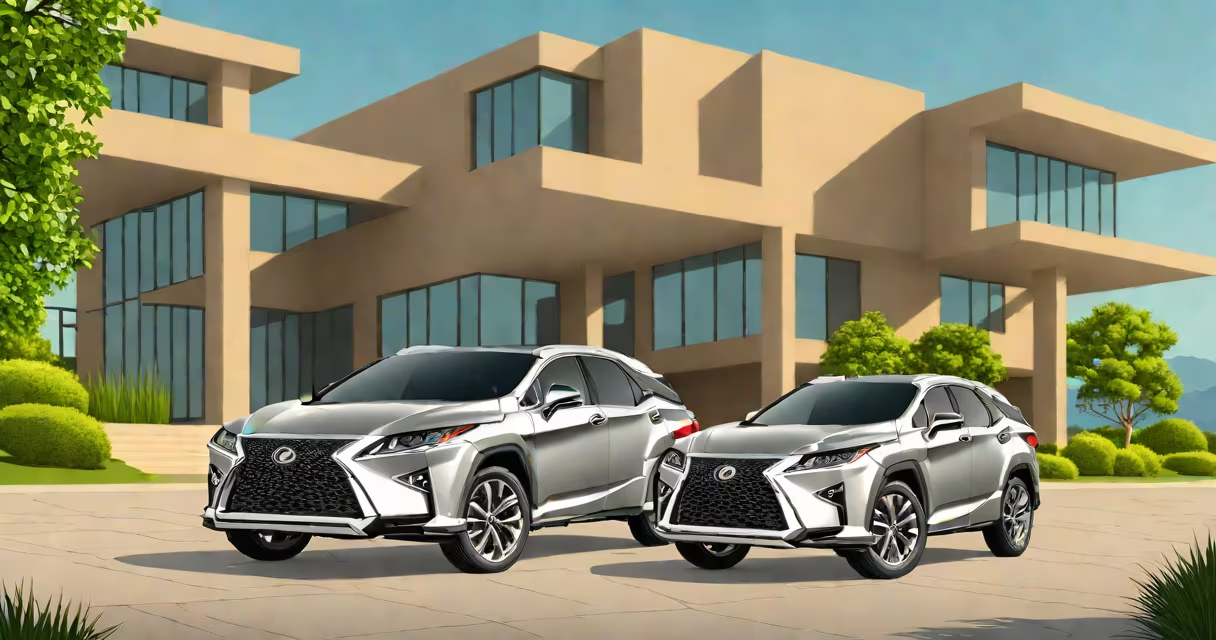
The resale value of the Lexus RX 350 averages 55% to 60% of its original MSRP after five years, depending on condition, mileage, and trim level. This performance exceeds the industry average for midsize luxury SUVs, which typically retain 45% to 50% of their value over the same period.
Lexus vehicles consistently rank among the top performers in long-term ownership cost and durability. The RX 350, produced from 2010 to 2015 and again from 2016 to 2020, benefits from this reputation. According to Edmunds' 2023 vehicle depreciation study, the RX 350 lost an average of 42% of its value in the first three years, then slowed to around 10% annually through year five. This pattern reflects strong residual value retention compared to competitors like the Acura MDX or BMW X3.
Key factors influencing resale value include model year, maintenance history, and whether the vehicle was originally purchased new or used. A 2016 RX 350 with under 60,000 miles and documented service records typically commands $10,000 to $12,000 more than a similar model with 100,000 miles and no service logs. The 2016-2020 models, equipped with a 3.5L V6 engine and eight-speed automatic transmission, also benefit from improved fuel economy and updated safety features compared to earlier generations.
Resale value is determined by comparing a vehicle's current market price against its original purchase price. For the RX 350, this calculation includes adjustments for wear, accident history, and regional demand. Data from iSeeCars shows that RX 350s in warmer climates like Arizona and Texas retain higher values due to reduced corrosion and fewer winter-related repairs.
Used car valuation platforms such as Kelley Blue Book (KBB) and Edmunds use a combination of auction data, dealer listings, and consumer transaction reports to assign a fair market value. These systems apply weightings based on vehicle condition, location, and optional packages. For example, a 2018 RX 350 with the Technology Package (which adds navigation, blind-spot monitoring, and a power liftgate) may see a $1,500 premium over the base model in the same condition.
A 2021 study by J.D. Power found that luxury SUVs with low predicted repair rates and high owner satisfaction scores tend to hold value better. The RX 350 scored above average in both categories, contributing to its strong resale performance. Vehicles with fewer reported issues during the first 100,000 miles are more likely to attract buyers willing to pay a premium.
The RX 350 was offered in three primary trims: Base, Premium, and Executive. The Base model lacks heated seats, dual-zone climate control, and advanced driver aids. The Premium added leather upholstery, a sunroof, and upgraded audio. The Executive trim included adaptive cruise control, a rearview camera with changing guidelines, and a power-adjustable driver's seat.
| Trim Level | Starting MSRP (2016) | 5-Year Resale Value (Est.) | Depreciation Rate (5 Years) |
|---|---|---|---|
| Base | $40,500 | $22,000 | 46% |
| Premium | $44,800 | $25,500 | 43% |
| Executive | $49,200 | $28,800 | 41% |
Higher trims maintain greater value because they include features that remain desirable in the used market. Buyers often perceive the Executive package as offering a "premium" feel even after years of use. The presence of factory-installed options like the Mark Levinson sound system or remote start increases perceived value and reduces negotiation room for sellers.
Many assume that all Lexus models depreciate slowly due to brand prestige. However, the RX 350's value retention is driven by mechanical reliability, not just brand loyalty. A 2022 Consumer Reports analysis showed that while Lexus ranks high in long-term reliability, individual models vary. The RX 350 outperforms the RX 450h hybrid in resale value despite being less fuel-efficient, indicating that buyers prioritize drivability and comfort over efficiency.
Another misconception is that low mileage automatically equals high resale value. While low mileage helps, a 2019 RX 350 with 30,000 miles but a history of oil leaks and transmission fluid changes may sell for less than a 2017 model with 75,000 miles and full service documentation. Maintenance records are more predictive of long-term value than odometer readings alone.
There's also confusion between resale value and trade-in value. Trade-in values are typically 10% to 15% lower than private-party sale prices. A 2018 RX 350 valued at $28,000 privately might only fetch $24,000 at a dealership. This gap arises because dealerships factor in reconditioning costs and profit margins.
In October 2023, a 2016 Lexus RX 350 with 48,000 miles and a clean Carfax report sold for $27,500 in Phoenix, Arizona. The original MSRP was $44,800. After five years, the vehicle retained 61% of its value. The seller had maintained the car with regular oil changes, replaced the tires at 40,000 miles, and kept all service receipts. The buyer paid $1,000 above KBB's average retail value, reflecting strong local demand for well-maintained luxury SUVs.
By contrast, a 2016 RX 350 with 62,000 miles and no service history listed for $24,000 in Detroit, Michigan, sold within two weeks. That model retained only 54% of its original value. The difference highlights how condition and documentation impact resale outcomes.
When assessing the resale value of a Lexus RX 350, focus on verified service history, accident-free status, and trim-specific features. Avoid relying solely on mileage or model year. A 2017 RX 350 with 55,000 miles and full maintenance logs may outperform a 2016 model with 40,000 miles and missing records.