Prism software refers to a class of enterprise automation tools, most Blue Prism, that use robotic process automation (RPA) to mimic human interactions with digital systems. These tools execute repetitive, rule-based tasks across applications-such as data entry, form filling, and report generation-without requiring changes to underlying systems.
Blue Prism, the leading implementation of prism software, operates by creating virtual robots that interact with desktop and web applications through their graphical user interfaces. It runs on-premises or in private cloud environments, enabling secure execution within regulated industries like finance and healthcare. According to Gartner, RPA adoption grew 30% year-over-year in 2023, driven largely by tools like Blue Prism that support compliance and auditability.
Unlike scripting tools that rely on fragile UI element detection, prism software uses a structured, object-oriented approach. It maps application elements into reusable components, allowing processes to adapt to UI changes without breaking. This stability makes it suitable for mission-critical operations where failure is not an option.
Prism software functions by defining a process as a sequence of actions performed by a digital worker. Each action targets a specific application-like SAP, Salesforce, or legacy banking systems-and follows predefined logic. The system executes these steps in a controlled environment, logging every interaction for audit trails.
For example, a bank might use Blue Prism to automate monthly loan report generation. The robot logs into an internal database, exports customer data, imports it into Excel, applies formulas, and emails the file to managers-all between 8:00 and 9:00 AM daily. The entire workflow runs unattended, reducing processing time from 4 hours to 12 minutes.
Behind the scenes, prism software uses a central control layer called the Control Room. This interface manages robot scheduling, monitors performance, and tracks exceptions. If a step fails-say, due to a temporary server outage-the system pauses, alerts administrators, and retries based on configurable rules. This resilience prevents cascading failures in production environments.
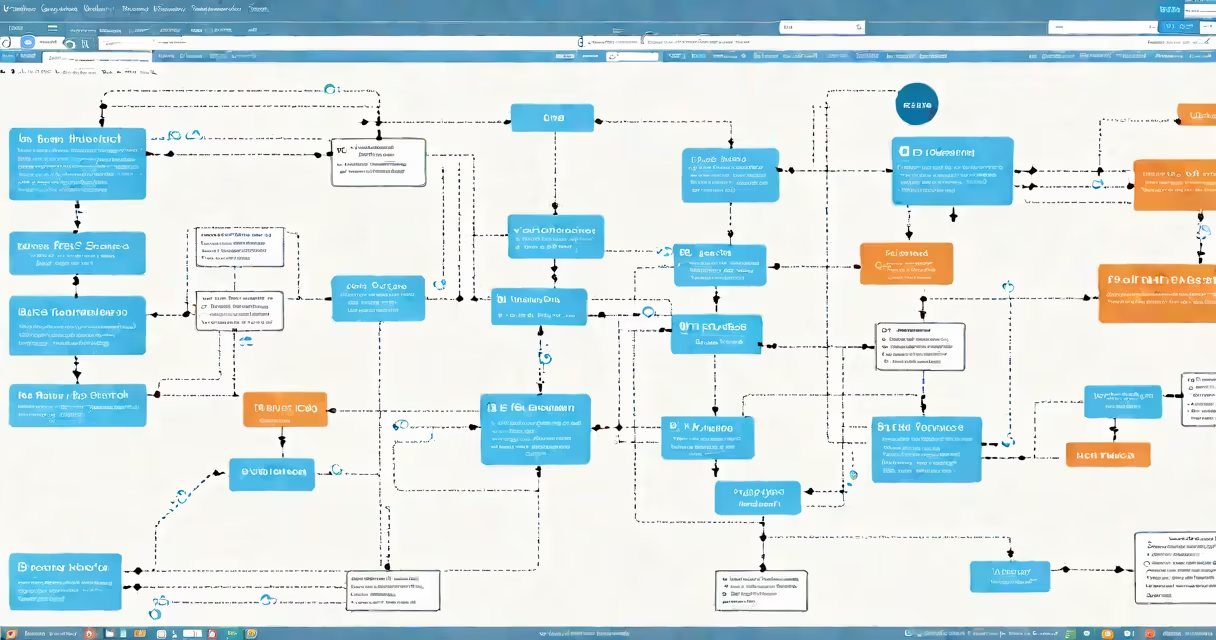
Prism software consists of three primary layers: the Application Modeller, the Process Studio, and the Control Room. The Application Modeller identifies and defines UI elements in target applications. The Process Studio allows users to design workflows using drag-and-drop logic blocks. The Control Room orchestrates execution, assigns tasks to robots, and provides dashboards for monitoring.
| Component | Purpose | Example Use Case |
|---|---|---|
| Application Modeller | Maps UI elements into reusable objects | Defining a "Submit" button in a government benefits portal |
| Process Studio | Builds automation logic with decision points and loops | Processing insurance claims based on risk score thresholds |
| Control Room | Manages robot deployment, scheduling, and error handling | Running 150 bots across 3 departments during month-end close |
A common misconception is that prism software replaces human workers. In reality, it handles high-volume, low-variability tasks, freeing employees to focus on complex decisions. A 2022 study by McKinsey found that companies using RPA tools like Blue Prism saw a 40% reduction in operational costs and a 60% improvement in accuracy for data-intensive processes.
Prism software is widely adopted in regulated sectors such as banking, insurance, and healthcare. These industries require strict audit trails and data governance-features built into Blue Prism's architecture. For instance, a UK-based insurer used Blue Prism to automate claims adjudication, reducing processing time from 7 days to under 2 hours while maintaining full compliance with GDPR and FCA standards.
Another key use case is integrating legacy systems with modern cloud platforms. A manufacturing firm connected its 1990s-era ERP system to AWS via Blue Prism. The software pulled inventory data hourly, updated AWS-based dashboards, and triggered restocking alerts-all without modifying the old system. This hybrid integration model avoids costly system replacements.
When comparing prism software to alternatives like UiPath or Automation Anywhere, the difference lies in scalability and governance. Blue Prism emphasizes enterprise-grade security, role-based access, and centralized management-critical for large organizations. UiPath leans toward ease of use and rapid prototyping, making it better for small teams or pilot projects.
Many assume prism software requires coding. While advanced features allow developers to extend functionality with .NET or Python, basic automation can be built using visual workflows. A colleague at a logistics company created a shipment tracking bot in under two hours using only drag-and-drop nodes-no scripting involved.
Another misunderstanding is that prism software only automates desktop apps. Modern versions support APIs, web services, and mobile app interactions. Blue Prism's latest release includes native support for RESTful API calls, enabling direct integration with cloud services like AWS Lambda and Amazon S3.
Finally, some believe prism software is limited to back-office tasks. In practice, it powers customer-facing processes too. A retail chain deployed Blue Prism bots to auto-generate personalized email offers based on purchase history, increasing conversion rates by 18% compared to manual campaigns.
Understanding what is prism software means recognizing it as a strategic tool-not just a productivity booster. It enables consistent, auditable automation across complex IT landscapes. For organizations aiming to scale operations without adding headcount, Blue Prism software delivers measurable results.