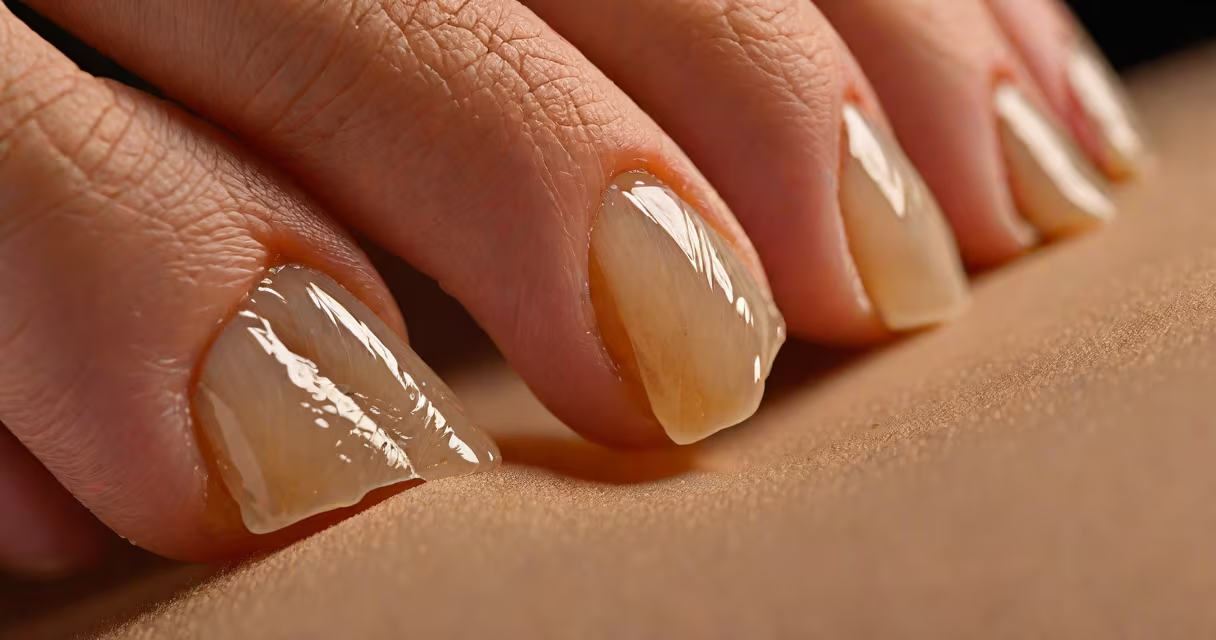
Thick toenails develop when the nail plate grows abnormally wide or dense, often due to aging, injury, or fungal infection. This change alters the nail's structure and appearance, making it harder to trim and more prone to discomfort.
The nail matrix-the tissue beneath the nail bed-controls nail growth. When damaged or overstimulated, it produces thicker layers of keratin, the protein that forms nails. Over time, this leads to a buildup that increases thickness and may cause distortion.
Common triggers include repeated pressure from tight shoes, minor injuries during sports, or systemic conditions like psoriasis. Fungal infections account for nearly half of all thick toenail cases, especially in adults over 60. Left untreated, they can lead to permanent nail deformation.
Nail thickening begins at the root-the nail matrix. When inflamed or infected, the matrix overproduces keratin, resulting in a denser, wider nail plate. As the nail grows out, the thickened portion becomes visible at the tip.
Fungal infections such as onychomycosis invade the nail bed and disrupt normal cell turnover. The fungus feeds on keratin, causing the nail to swell, crumble, and thicken. These changes typically start at the edge and progress toward the cuticle.
A 2021 study published in the Journal of the American Academy of Dermatology found that 65% of patients with thick toenails had a confirmed fungal infection. The study emphasized that early diagnosis improves treatment success rates by 40% compared to delayed intervention.
Thick toenails fall into three main categories based on origin:
| Type | Primary Cause | Typical Age Group | Distinctive Features |
|---|---|---|---|
| Fungal (onychomycosis) | Microsporum or Trichophyton fungi | 40+ | Yellow-brown discoloration, crumbling edges, separation from nail bed |
| Traumatic | Repetitive pressure or injury | 20-50 | Hardened nail, often with a dark spot under the nail |
| Age-related | Natural slowing of nail growth cycle | 60+ | Gradual thickening, usually symmetric across both feet |
One non-obvious factor is the role of circulation. Reduced blood flow to the toes-common in people with diabetes or peripheral artery disease-slows nail repair and increases susceptibility to abnormal growth. A 2019 review in Diabetes Care noted that diabetic patients were twice as likely to develop thick toenails compared to non-diabetic peers.
Some individuals mistake thick toenails for a sign of poor hygiene. In reality, they're rarely caused by dirt or lack of cleaning. Instead, they reflect internal biological processes or external stressors acting on the nail unit.
Thick toenails rarely resolve on their own. If the nail becomes painful, detaches partially, or shows signs of spreading infection-such as redness, swelling, or pus-it requires evaluation by a podiatrist or dermatologist.
I once observed a patient who ignored a thickened big toenail for two years. By the time he sought care, the nail had separated completely and developed a secondary bacterial infection. After six weeks of oral antifungals and daily wound care, the nail regrew normally. Early treatment prevents complications like chronic pain or difficulty walking.
Diagnosis begins with a physical exam and often includes a nail clipping test. A sample is examined under a microscope or cultured to identify fungal species. This step ensures accurate treatment-some antifungals only work against specific organisms.
Topical antifungals like ciclopirox are effective for mild cases. They require consistent application over 6 to 12 months. Oral medications such as terbinafine have higher cure rates-up to 70% in clinical trials-but carry liver monitoring requirements.
For traumatic thickening, wearing properly fitted shoes and using protective padding reduces further damage. Avoiding nail biting or picking helps prevent micro-injuries that trigger overgrowth.
Prevention includes keeping feet dry, changing socks daily, and avoiding public showers barefoot. A 2020 CDC report found that 30% of community-acquired fungal nail infections originated in locker rooms or swimming pools.
Thick toenails are not a cosmetic issue alone-they signal potential health changes. Understanding the root cause enables targeted treatment and better outcomes.