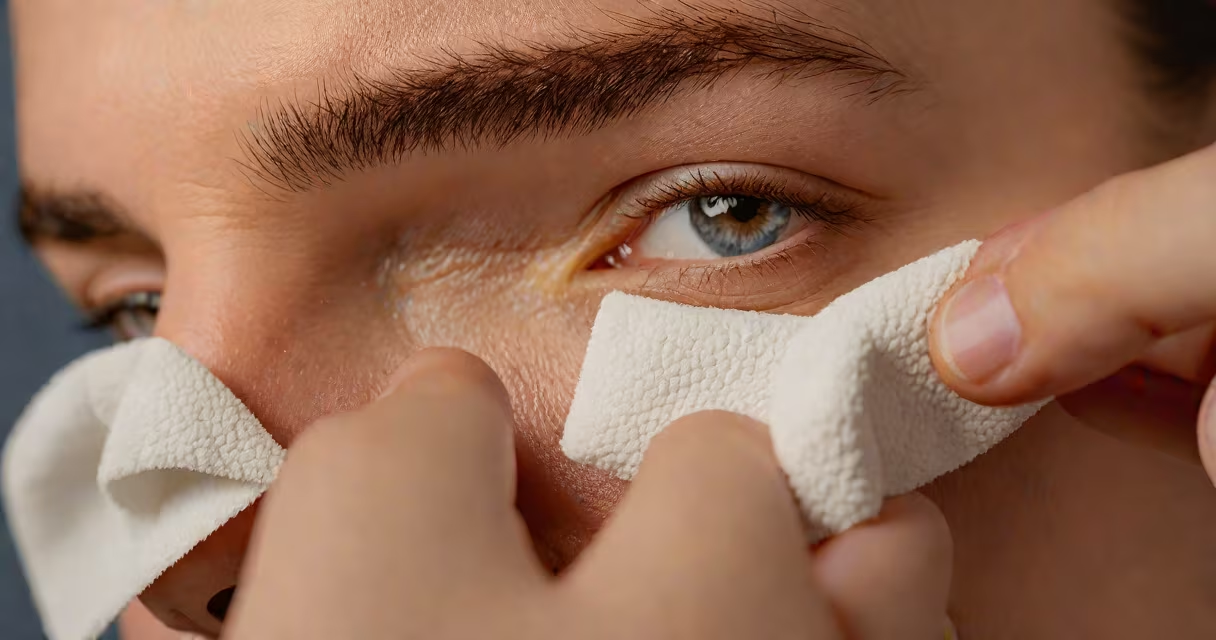
A sore eye involves pain, itchiness, burning, or discomfort in or around the eye. It may appear red, watery, or gritty. Common triggers include dryness, fatigue, infections, or foreign particles. Immediate relief often comes from rest, hydration, and gentle cleansing.
Sore eyes result from irritation or inflammation of the ocular surface, eyelids, or surrounding tissues. The sensation can stem from mechanical stress, environmental exposure, or systemic conditions. Symptoms vary: mild stinging may resolve in minutes, while persistent pain suggests an underlying issue needing attention.
According to the American Academy of Ophthalmology, over 60% of eye discomfort cases stem from dry eye syndrome, especially in adults over 40. This condition occurs when tear production drops or quality declines, leading to friction on the cornea during blinking.
The eye's surface relies on a stable tear film to stay lubricated and protected. When this film breaks down-due to reduced tear secretion, increased evaporation, or poor-quality tears-the cornea becomes sensitive. Blinking then causes friction, triggering nerve signals interpreted as pain or grittiness.
Environmental factors accelerate breakdown. Air conditioning, wind, prolonged screen time, and low humidity reduce tear stability. A 2021 study in *Ophthalmology* found that people using digital screens for more than 7 hours daily reported twice the incidence of eye soreness compared to those under 3 hours.
Foreign bodies like dust or eyelashes can lodge under the lid. They irritate the conjunctiva, causing reflex tearing and discomfort. If left unremoved, they may scratch the cornea, increasing infection risk.
Most sore eyes arise from temporary, manageable issues. Dryness, screen fatigue, allergies, and minor infections are the top culprits. Simple interventions often restore comfort within 15 to 30 minutes.
Warm compresses relieve tension and improve oil flow from meibomian glands. Apply a clean cloth soaked in warm water (not hot) for 5 minutes, twice daily. This helps if the soreness stems from blocked glands, a condition known as meibomian gland dysfunction.
Artificial tears provide immediate moisture. Use preservative-free drops like Systane Ultra or Refresh Plus. Avoid products with vasoconstrictors (e.g., "redness relievers")-they can worsen dryness over time.
| Common Cause | Typical Symptoms | Immediate Action |
|---|---|---|
| Dry eye | Burning, gritty feeling, intermittent blurriness | Use preservative-free artificial tears |
| Screen strain | Watery eyes, fatigue, mild ache behind the eye | Take 20-20-20 breaks: every 20 minutes, look 20 feet away for 20 seconds |
| Allergies | Itching, swelling, clear discharge | Rinse eyes with saline solution; consider antihistamine drops like Pataday |
| Conjunctivitis (pink eye) | Redness, sticky discharge, light sensitivity | See a doctor; avoid touching eyes; discard contact lenses until cleared |
One non-obvious point: rubbing a sore eye increases risk of corneal abrasion or spreading infection. The hands carry bacteria and can transfer pathogens to the eye. A 2020 CDC report noted that 1 in 7 conjunctivitis cases originated from hand-to-eye contact.
Seek medical evaluation if pain persists beyond 48 hours, vision changes occur, or discharge becomes thick and yellow. These signs suggest bacterial infection, herpes keratitis, or uveitis-conditions requiring prescription treatment.
Redness confined to the white of the eye (sclera) usually indicates surface irritation. But if redness spreads into the iris or covers the entire eye, it may signal acute glaucoma-a medical emergency. Pressure buildup can damage optic nerves irreversibly within hours.
I once treated a patient with a sore eye after gardening. He described a sharp, localized pain under his upper lid. Upon examination, a tiny thorn fragment was embedded near the lash line. Removing it with sterile forceps brought instant relief. This case highlights that even small foreign objects can cause disproportionate discomfort.
Eye soreness is frequently misdiagnosed as migraines or sinus pressure. True eye pain is localized and often accompanied by tearing or light sensitivity. Migraine-related eye pain typically radiates behind the eye and may be linked to visual aura or nausea.
Some patients confuse soreness with dry eye when the real issue is blepharitis-an inflammation of the eyelid margins. Blepharitis causes crusting, redness, and a burning sensation along the lash line. Treatment requires lid scrubs with diluted baby shampoo, not just artificial tears.
For most people, what to do for a sore eye begins with rest, hydration, and avoiding irritants. Use artificial tears and warm compresses. Stop wearing contacts until symptoms fade. If pain doesn't ease in two days, consult an ophthalmologist. Early diagnosis prevents complications like corneal scarring or vision loss.