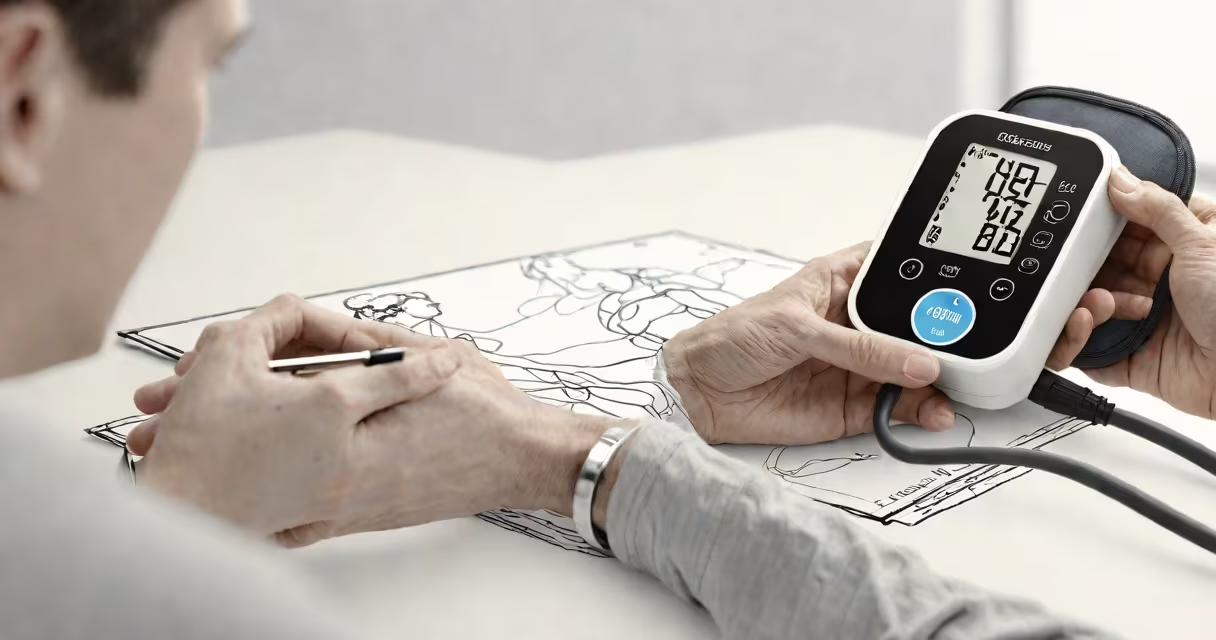
What to do for blood pressure involves adopting evidence-based lifestyle changes, using prescribed medications when needed, and monitoring readings regularly to reduce the risk of heart attack, stroke, and kidney disease. High blood pressure often shows no symptoms, so proactive management is essential.
Uncontrolled blood pressure increases strain on arteries and organs. The American Heart Association defines normal blood pressure as less than 120/80 mm Hg. Readings consistently above 130/80 mm Hg qualify as hypertension and require medical attention. Left untreated, elevated levels contribute to 1 in 5 deaths annually in the United States.
Blood pressure results from cardiac output and vascular resistance. The heart pumps blood into arteries; the force against artery walls is measured as systolic (top number) and diastolic (bottom number). Systolic pressure reflects heart contraction; diastolic pressure indicates arterial relaxation between beats.
Regulation relies on the autonomic nervous system, kidneys, and hormones like angiotensin II and aldosterone. When blood volume rises or vessels constrict, pressure increases. The body responds through baroreceptors in neck arteries, which signal the brainstem to adjust heart rate and vessel diameter.
Chronic stress, poor diet, and sedentary habits disrupt this balance. For example, excessive sodium intake causes fluid retention, increasing blood volume and pressure. A single meal with 2,300 mg of sodium-equivalent to a large fast-food combo-can raise systolic pressure by 5-10 mm Hg in sensitive individuals.
Lifestyle modifications form the foundation of blood pressure control. The DASH (Dietary Approaches to Stop Hypertension) eating plan emphasizes fruits, vegetables, whole grains, low-fat dairy, and lean protein while limiting saturated fat and sodium. Studies show DASH reduces systolic pressure by 8-14 mm Hg over six weeks.
Physical activity lowers blood pressure by improving endothelial function and reducing peripheral resistance. The American College of Sports Medicine recommends 150 minutes of moderate-intensity aerobic exercise weekly-such as brisk walking or cycling-at 60-70% of maximum heart rate. A 2021 meta-analysis found regular exercise lowered systolic pressure by 5.8 mm Hg on average.
Weight loss also plays a major role. Losing just 5-10% of body weight can reduce systolic pressure by 5-20 mm Hg. For a 200-pound individual, that's 10-20 pounds. Alcohol moderation (≤1 drink/day for women, ≤2 for men) and smoking cessation further improve outcomes.
| Intervention | Expected BP Reduction | Source |
|---|---|---|
| DASH diet | 8-14 mm Hg systolic | AHA, 2023 |
| 150 min/week moderate exercise | 5.8 mm Hg systolic | JAMA Internal Medicine, 2021 |
| 10% weight loss | 5-20 mm Hg systolic | NIDDK, 2022 |
When lifestyle changes aren't enough, doctors prescribe antihypertensive drugs. Common classes include ACE inhibitors, ARBs, calcium channel blockers, and thiazide diuretics. Each targets a different mechanism: ACE inhibitors reduce angiotensin II formation; diuretics increase sodium and water excretion.
Some medications carry side effects that affect blood pressure. For example, certain antihistamines-like diphenhydramine in over-the-counter sleep aids-can cause vasoconstriction and raise blood pressure. People with hypertension should avoid decongestants such as pseudoephedrine, which stimulate alpha-adrenergic receptors.
I experienced this firsthand during a cold last winter. After taking a combination allergy and cold medicine containing phenylephrine, my blood pressure spiked from 128/82 to 148/90 within four hours. Switching to a non-decongestant formula stabilized my readings. Always check labels for ingredients that may interfere with blood pressure control.
Many assume blood pressure must be managed solely with medication. This is incorrect. Lifestyle interventions are equally effective and reduce long-term medication needs. A 2020 study in The Lancet showed that patients who combined DASH diet and exercise reduced medication doses by 40% over two years.
Another myth is that blood pressure should be low at all times. While lowering high readings is critical, excessively low pressure (e.g., below 90/60 mm Hg) can cause dizziness, falls, and organ hypoperfusion. The goal is individualized. Older adults may tolerate slightly higher targets due to increased fall risk.
People often confuse blood pressure spikes with chronic hypertension. A single elevated reading doesn't diagnose hypertension. Multiple consistent measurements over time are required. Home monitoring devices offer accuracy comparable to clinical settings when used properly. The American Heart Association recommends measuring twice daily for seven days, then averaging the results.
Seek immediate care if blood pressure exceeds 180/120 mm Hg with symptoms like chest pain, severe headache, confusion, or difficulty speaking. This indicates a hypertensive crisis requiring emergency treatment.
Regular checkups are important even without symptoms. The CDC reports that nearly half of U.S. adults with high blood pressure don't have it under control. Routine screening helps detect issues early. Adults should have blood pressure checked at least once every two years starting at age 20, or annually if already diagnosed.
What to do for blood pressure is not a one-size-fits-all process. Success depends on consistent monitoring, personalized adjustments, and collaboration with healthcare providers. Combining proven lifestyle changes with appropriate medication leads to better long-term outcomes and fewer complications.