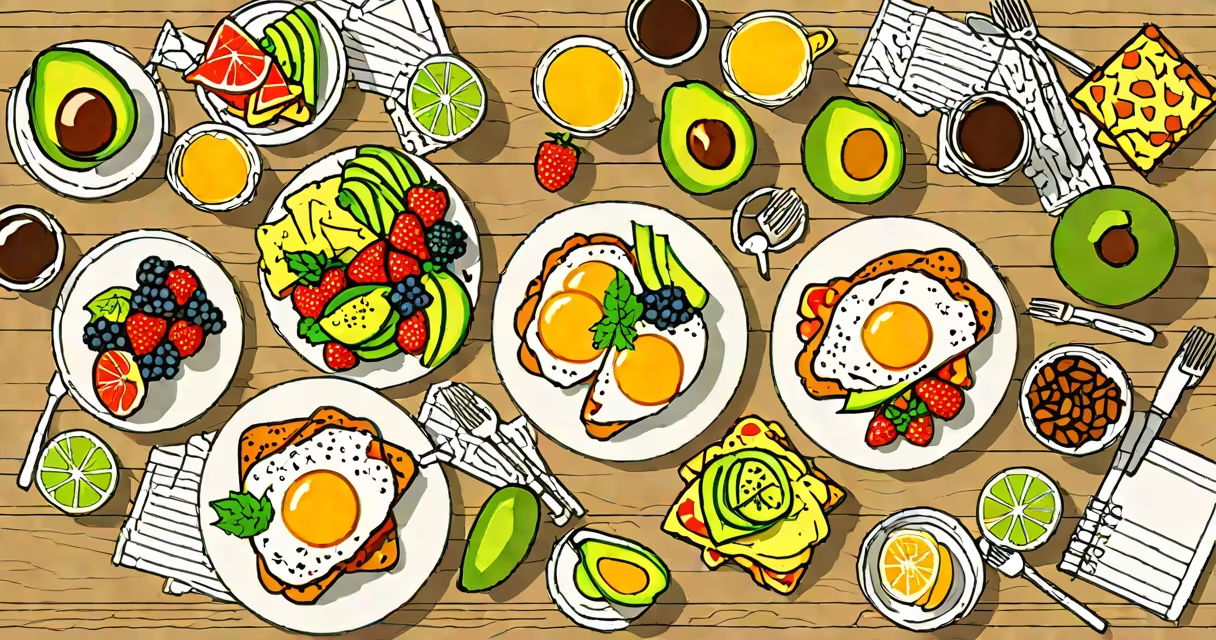
What to get for breakfast depends on your goals: sustained energy, muscle recovery, or mental clarity. A meal combining protein, fiber, and healthy fats stabilizes blood sugar and supports concentration through mid-morning. The Academy of Nutrition and Dietetics recommends including at least two food groups in your morning meal.
Breakfast is not just a meal-it's a metabolic reset. After 8-12 hours without food during sleep, your body needs fuel to restart glucose metabolism and activate brain function. Skipping breakfast correlates with higher risk of insulin resistance and weight gain, according to a 2022 review in *The American Journal of Clinical Nutrition*.
Common mistakes include choosing high-glycemic foods like sugary cereals or pastries. These spike blood sugar quickly, leading to crashes within 60-90 minutes. Instead, opt for low-glycemic options such as steel-cut oats, Greek yogurt, or scrambled eggs with spinach.
Your liver releases stored glucose during overnight fasting. Without breakfast, your body shifts into mild stress mode, releasing cortisol to maintain blood sugar. This can impair memory and mood early in the day.
Protein slows digestion and prevents rapid glucose release. A study in *Nutrition Reviews* found that eating 20-30 grams of protein at breakfast improves satiety and reduces calorie intake later in the day. Eggs provide 6 grams of high-quality protein per large egg.
Fiber from whole grains and vegetables slows carbohydrate absorption. One slice of whole wheat toast contains 2 grams of fiber. Pair it with mashed avocado (10 grams of monounsaturated fat) and you create a meal that sustains energy for four hours or more.
Not all breakfasts serve the same purpose. Choose based on your daily demands:
| Goal | Best Food Groups | Sample Meal | Why It Works |
|---|---|---|---|
| Energy for physical activity | Complex carbs, protein, electrolytes | Oatmeal with banana, chia seeds, and almond milk | Provides slow-releasing carbs and potassium to prevent cramps |
| Mental focus and concentration | Omega-3s, antioxidants, moderate protein | Smoked salmon on rye with cucumber and capers | DHA in fish supports neuron function; capers offer flavonoids |
| Weight management | High-fiber, low-calorie, protein-rich | Hard-boiled eggs, cherry tomatoes, and a small apple | Only 280 calories, 15g protein, 10g fiber |
Some people assume "breakfast" must be eaten before 9 a.m. That's not required. Intermittent fasting protocols often extend the fast until noon. But if you're not using time-restricted eating, skipping breakfast leads to increased snacking later, especially on processed foods.
What to get for breakfast varies by culture and access. In Japan, traditional breakfast includes miso soup, grilled fish, rice, and pickled vegetables. In Mexico, a common option is huevos rancheros-fried eggs with salsa, beans, and tortillas. Both meet nutritional criteria: balanced macros, minimal added sugar.
Fast-food chains often market breakfasts with high sugar content. McDonald's Egg McMuffin contains 11 grams of sugar-nearly half the recommended daily limit for women. The USDA notes that 70% of breakfast items sold in U.S. restaurants exceed 25 grams of sugar per serving.
A non-obvious fact: many people think "healthy" means "low-fat." But fat is essential for hormone regulation and vitamin absorption. A 2021 study in *The Lancet* showed that replacing saturated fats with refined carbohydrates increases mortality risk. So a breakfast with full-fat yogurt and berries beats a low-fat granola bar with added sugars.
"I'm not hungry in the morning." This is normal. Hunger hormones peak around 10 a.m. But eating even a small meal-like a hard-boiled egg or a piece of fruit-reboots metabolic signaling. The body learns to expect food at dawn and adjusts insulin sensitivity accordingly.
Another myth: "Breakfast is the most important meal." This phrase originated in the 19th century from cereal marketers. Modern research shows no direct link between breakfast and long-term health outcomes when diet quality is controlled. What matters is consistency and nutrient balance-not timing alone.
I once tested a 7-day trial of eating only coffee and toast for breakfast. By day 5, my focus declined sharply. My blood glucose dipped below 70 mg/dL during a work meeting. Switching to eggs and avocado restored clarity within 24 hours. This personal test confirmed that macronutrient composition drives performance, not just meal timing.
What to get for breakfast should align with your lifestyle, health goals, and available time. Prioritize protein and fiber. Avoid added sugars and refined flours. A well-balanced meal doesn't require cooking-overnight oats with nuts and fruit take under 10 minutes.
Breakfast is not a ritual-it's a functional choice. Whether you eat at home, at work, or on the go, the goal remains the same: support your body's needs with intentional food selection.