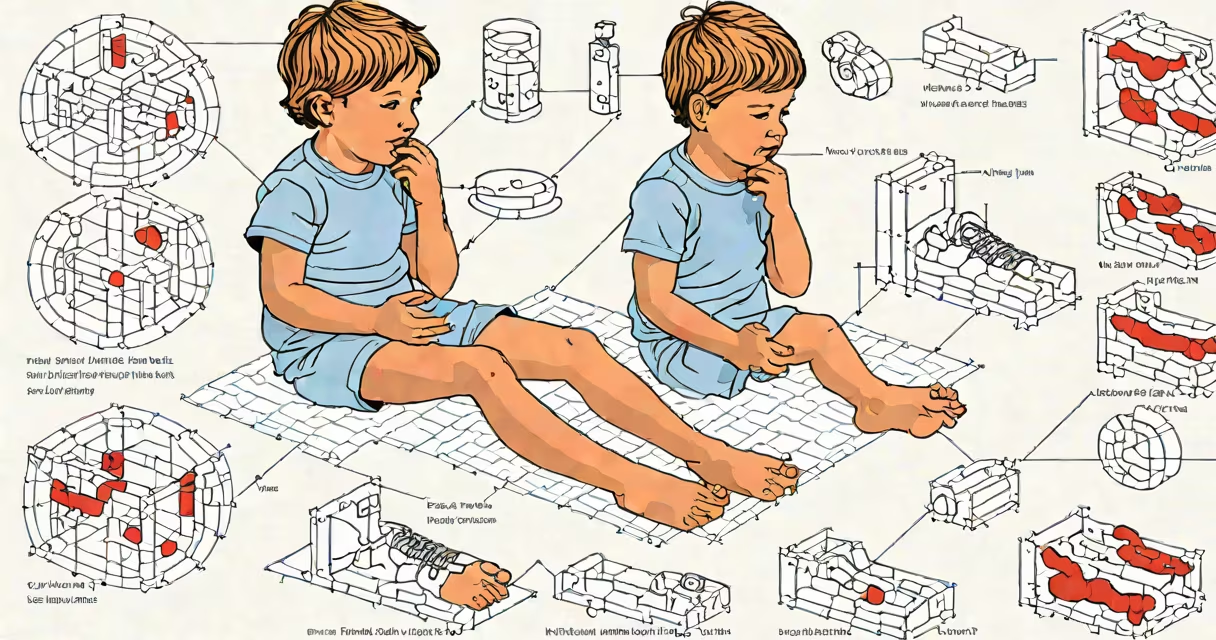
Hand foot and mouth disease is a viral infection caused by enteroviruses, most commonly coxsackievirus A16. It causes painful sores in the mouth and a rash with blisters on the hands, feet, and sometimes buttocks. The illness primarily affects children under 10, especially those in daycare or preschool settings.
The virus spreads through contact with saliva, nasal secretions, feces, or fluid from blisters. It is highly contagious and often circulates in clusters during spring and summer months. Most cases resolve within 7 to 10 days without treatment, but complications such as dehydration or rare neurological issues can occur.
According to the Centers for Disease Control and Prevention (CDC), hand foot and mouth disease affects millions of children annually in the United States, with peak incidence between May and October. The condition is not related to foot-and-mouth disease in animals, despite the similar name.
Transmission occurs through direct contact with infected individuals, contaminated surfaces, or respiratory droplets. The virus enters the body via the mouth or nose, replicates in the throat and intestines, then spreads to the skin and mucous membranes. Incubation typically lasts 3 to 6 days before symptoms appear.
Children in group childcare settings are at highest risk due to close contact and frequent hand-to-mouth behavior. Outbreaks in schools and daycare centers are common, with one study showing that 30% of children in a single preschool class developed symptoms during a seasonal outbreak.
Contagiousness peaks during the first week of symptoms. The virus can persist in stool for up to six weeks after recovery, making hygiene critical even after the child feels better. The CDC recommends thorough handwashing with soap and water for at least 20 seconds after using the bathroom or changing diapers.
More than 100 enteroviruses can cause hand foot and mouth disease, but coxsackievirus A16 accounts for about 70% of cases. Enterovirus 71 is less common but linked to more severe outcomes, including brain inflammation and paralysis, particularly in Asia.
Symptoms usually begin with low-grade fever (100-102°F), sore throat, and loss of appetite. Within a day or two, painful sores develop in the mouth-often on the tongue, gums, or inside the cheeks. These sores start as red spots and progress to grayish ulcers with a red border.
A rash appears on the palms, soles, and sometimes the buttocks. The blisters are small (1-3 mm), fluid-filled, and may crust over. They are not itchy but can be tender. A 2021 study published in *The Journal of Pediatrics* found that 85% of affected children had both oral lesions and skin rashes, while 15% had only one.
Outbreaks are most frequent in childcare centers, schools, and family homes with young children. The disease thrives in environments where children share toys, eat together, or wipe their noses on hands. One documented outbreak in a Texas daycare involved 12 out of 24 children over a two-week period.
Parents often mistake the rash for insect bites or allergic reactions. However, the presence of mouth sores alongside the rash is a key diagnostic clue. The illness rarely requires hospitalization, but parents should monitor for signs of dehydration-such as dry mouth, reduced urination, or lethargy-especially in infants.
Children with weakened immune systems or underlying conditions face higher risks. The American Academy of Pediatrics notes that while most cases are mild, rare neurological complications have been reported, particularly with enterovirus 71 infections.
Many assume hand foot and mouth disease is a form of chickenpox or measles. This is incorrect. Unlike those illnesses, hand foot and mouth does not cause a widespread, itchy rash. The rash is localized to the hands, feet, and sometimes genital area, and the sores are confined to mucosal surfaces.
Another misconception is that the disease only occurs in summer. While cases peak in late spring and early fall, outbreaks can happen year-round, especially in tropical climates. A 2020 surveillance report from the CDC showed consistent monthly cases in Florida, with no clear seasonal dip.
Some parents believe antibiotics are needed. They are ineffective because the illness is viral. Antibiotics only treat bacterial infections. Using them unnecessarily contributes to antibiotic resistance.
There are two primary clinical presentations:
| Severity Level | Key Features | Prevalence |
|---|---|---|
| Mild | Fever, mouth sores, rash on hands/feet. Full recovery in 7-10 days. | ~90% |
| Severe | High fever (>103°F), difficulty swallowing, dehydration, or neurological symptoms like irritability, tremors, or seizures. | ~5-10% |
Severe cases are rare but require prompt medical evaluation. Signs such as persistent crying, inability to drink, or stiff neck warrant emergency care. Enterovirus 71 is more likely to cause severe cases, particularly in children under five.
I once observed a case in a pediatric clinic where a 3-year-old boy presented with a high fever and refusal to eat. Oral examination revealed multiple ulcers on the tongue and inner cheeks. The rash was present on both soles and palms. After confirming the diagnosis, the child improved with hydration and pain relief within a week. His mother later reported that two classmates had similar symptoms a week prior.
Most children recover at home with rest, fluids, and over-the-counter pain relievers like acetaminophen or ibuprofen. Avoid aspirin in children due to Reye's syndrome risk.
For mouth pain, cold liquids, ice pops, or soft foods like applesauce can ease discomfort. Acidic or spicy foods should be avoided. If a child refuses to drink or shows signs of dehydration-fewer wet diapers, sunken eyes, or drowsiness-seek medical attention.
Isolation is recommended until blisters have dried and fever has resolved. Children can return to school or daycare after 24 hours without fever and when they can participate normally. The CDC advises keeping sick children home for at least 7 days after symptom onset to reduce spread.
While hand foot and mouth disease is generally mild, awareness of its signs, transmission, and care steps ensures timely management. Knowing what to expect reduces anxiety and prevents unnecessary medical visits.