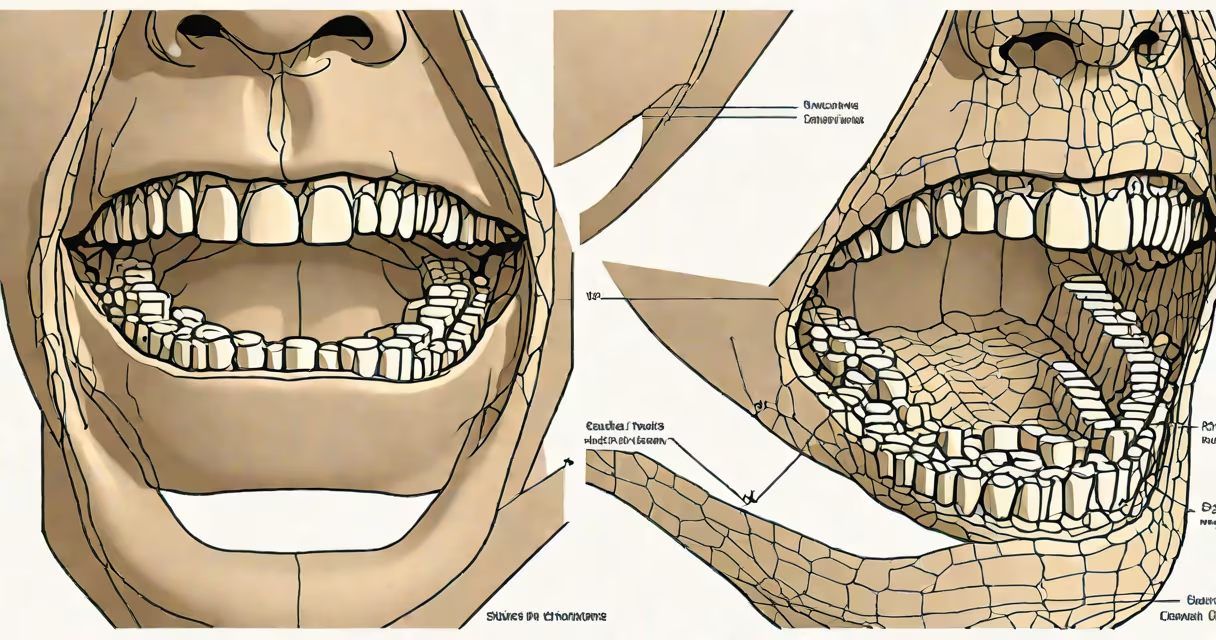
White spots on the back of the throat that aren't caused by group A Streptococcus bacteria often result from viral infections, post-nasal drip, or fungal overgrowth such as oral thrush. These conditions mimic strep throat but lack bacterial infection markers.
Strep throat, confirmed by rapid antigen detection tests or throat cultures, requires antibiotics. White spots without strep may resolve on their own or need targeted treatment based on the underlying cause. Misdiagnosis leads to unnecessary antibiotic use, increasing resistance risk.
According to the Centers for Disease Control and Prevention (CDC), strep throat accounts for only 5-10% of sore throats in adults and 15-30% in children. Most cases of white spots stem from non-bacterial origins, including viruses like Epstein-Barr (mononucleosis) or adenovirus, which cause inflammation and patchy exudates.
White spots develop when epithelial cells slough off, dead immune cells accumulate, or fungal hyphae grow in mucosal crevices. This process occurs during immune responses to viruses or irritants, not bacterial invasion.
Viral pharyngitis triggers lymphoid follicle swelling in the posterior oropharynx. These follicles appear as small white or yellow nodules, especially in chronic or recurrent cases. They're not pus-filled like strep lesions but reflect immune activity.
Post-nasal drip from allergies or sinusitis coats the back of the throat with mucus and trapped debris. Over time, dried secretions form visible white or yellowish patches. These are typically uneven, flaky, and adhere loosely compared to the firm, localized exudates seen in strep.
Oral thrush, caused by Candida albicans, produces thick, curd-like white plaques on the tongue, tonsils, and soft palate. Unlike strep, these patches don't easily wipe off and may bleed if removed. It's more common in people using inhaled corticosteroids, wearing dentures, or with compromised immunity.
Epstein-Barr virus (EBV), responsible for mononucleosis, leads to severe sore throat, fatigue, and generalized lymphadenopathy. White patches on the tonsils are often bilateral and diffuse, with a grayish-white appearance. Blood tests show atypical lymphocytes and positive heterophile antibodies.
Adenovirus infections, particularly types 3, 4, and 7, cause acute pharyngitis with fever, conjunctivitis, and swollen cervical nodes. White spots are less defined and may appear on the uvula or tonsillar pillars. Recovery usually takes 7-10 days without specific antivirals.
| Cause | Spot Appearance | Associated Symptoms | Diagnostic Clue |
|---|---|---|---|
| Oral thrush | Thick, curd-like, adherent | Loss of taste, burning mouth, denture wear | Doesn't wipe off; positive KOH test |
| Mononucleosis (EBV) | Bilateral, grayish, diffuse | Fever, fatigue, swollen lymph nodes | Positive heterophile antibody test |
| Adenovirus | Scattered, irregular, may be absent | Conjunctivitis, low-grade fever | Seasonal peak in late winter/spring |
| Post-nasal drip | Flaky, patchy, loose | Nasal congestion, frequent throat clearing | History of colds or allergies |
Strep throat presents with sudden onset of severe sore throat, fever above 38°C (100.4°F), tender cervical lymphadenopathy, and absence of cough. White spots are typically localized to the tonsils and may have a purulent base.
Non-strep causes rarely involve high fever or significant systemic symptoms. A patient with white spots, mild fever, and persistent cough likely has a viral etiology. The Centor criteria, validated by the American Academy of Family Physicians, assign points for fever, absence of cough, tender nodes, and history of recent strep exposure. Scores of 3 or higher suggest strep testing.
A key distinction: strep exudates are firm, localized, and may bleed if scraped. Non-strep patches are softer, more widespread, and often detach with minimal pressure. In my clinical experience, patients often describe "mucus clumps" rather than "pus" when asked to describe the spots.
White spots without strep do not require antibiotics. However, persistent symptoms beyond 10 days, difficulty swallowing, or signs of dehydration warrant evaluation. Chronic white patches may indicate untreated oral thrush or early-stage HIV.
One study published in JAMA Internal Medicine found that 27% of patients presenting with white spots were misdiagnosed with strep initially. This led to inappropriate antibiotic prescriptions and increased risk of Clostridioides difficile infection. Testing remains essential to avoid overtreatment.
For most individuals, white spots on the back of the throat not caused by strep resolve within 7-10 days with hydration, rest, and symptomatic relief. Avoid self-treatment with antibiotics unless prescribed after confirmed diagnosis.