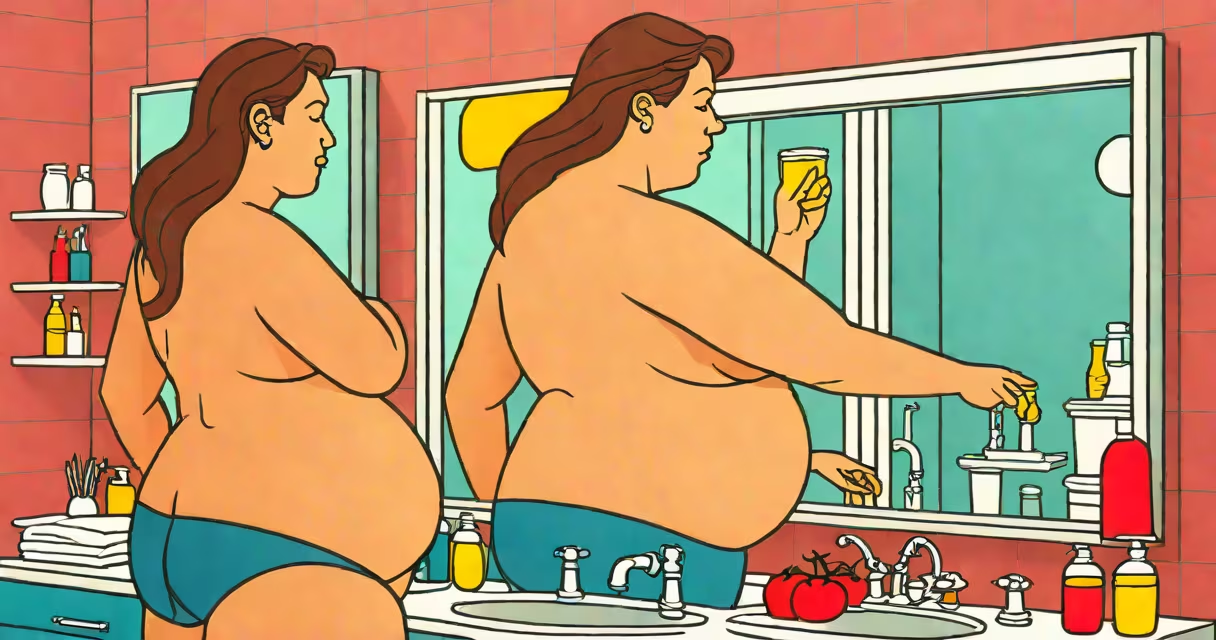
Why am I fat only in my stomach? This pattern-fat concentrated in the abdomen despite normal weight elsewhere-is driven by visceral fat accumulation due to genetics, hormones, stress, and poor diet. It's not just appearance; it's a metabolic risk factor linked to insulin resistance and heart disease.
Visceral fat lies deep within the abdominal cavity, surrounding organs like the liver and pancreas. Unlike subcutaneous fat under the skin, visceral fat is metabolically active. It releases free fatty acids and inflammatory markers into the bloodstream, increasing risks for type 2 diabetes, hypertension, and cardiovascular events. The American Heart Association identifies central adiposity as a key component of metabolic syndrome.
When you carry excess weight primarily in the stomach area, it often reflects a combination of cortisol-driven fat storage, insulin sensitivity issues, and disrupted circadian rhythms. Men typically store fat in the abdomen due to testosterone levels, while women see increased belly fat during perimenopause and menopause due to declining estrogen. A 2021 study in Obesity journal confirmed that women over 45 with low estrogen had higher visceral fat even at stable BMI.
Abdominal fat develops through a mix of biological programming and daily habits. Fat cells in the abdominal region have more alpha-adrenergic receptors, which promote fat storage, especially in response to cortisol-the stress hormone. Chronic stress elevates cortisol, which signals the body to deposit fat around the midsection.
Diet plays a major role. High intake of refined carbohydrates and added sugars spikes insulin. Insulin promotes fat storage, particularly in visceral depots. A 2019 clinical trial published in Cell Metabolism showed that participants consuming 25% of calories from added sugar gained 2.5 times more visceral fat over six months compared to those on a lower-sugar diet-even with equal calorie intake.
Physical inactivity compounds the issue. Sedentary behavior reduces lipoprotein lipase activity in abdominal fat tissue, impairing fat breakdown. Even people who exercise regularly may still accumulate belly fat if they spend long hours sitting. A 2020 study in JAMA Internal Medicine found that prolonged sitting was independently associated with higher visceral fat, regardless of exercise frequency.
Many assume belly fat results solely from eating too much. While caloric surplus contributes, it's not the whole story. Genetics influence fat distribution. Some people inherit a tendency to store fat in the abdomen, even at healthy weights. Twin studies show up to 60% of fat distribution variation is heritable.
Another myth is that spot reduction works. You cannot target fat loss in one area through crunches or ab machines. Fat loss occurs systemically. When you create a deficit, fat is drawn from all areas-including the belly-but the rate varies by individual. Research shows men lose abdominal fat faster than women during weight loss programs, partly due to hormonal differences.
A lesser-known factor is gut microbiome composition. Studies suggest certain bacterial profiles correlate with higher visceral fat. A 2022 analysis in Nature Microbiology found that individuals with lower diversity of gut bacteria had greater visceral adiposity, even after adjusting for diet and activity.
There are two primary types of fat in the abdominal region:
| Type | Location | Risk Level | Measurement Method |
|---|---|---|---|
| Subcutaneous fat | Under the skin, visible as pinchable fat | Low to moderate | Waist circumference, ultrasound |
| Visceral fat | Deep inside the abdomen, surrounds organs | High | CT scan, MRI, waist-to-hip ratio |
Subcutaneous fat is less harmful and easier to measure via waist circumference. Visceral fat is invisible and requires imaging for accurate assessment. However, waist-to-hip ratio offers a practical proxy: a ratio above 0.9 for men and 0.85 for women indicates elevated visceral fat.
For example, a man with a 38-inch waist and 32-inch hips has a ratio of 1.19-well above the threshold. He may appear lean but carry high-risk visceral fat. This explains why some individuals look fit but face metabolic issues.
Reducing stomach fat requires systemic changes-not quick fixes. Focus on consistent sleep, balanced nutrition, and strength training. Aerobic exercise alone doesn't eliminate visceral fat; combining it with resistance training yields better results.
One effective protocol involves 150 minutes of moderate-intensity cardio weekly (like brisk walking) paired with two sessions of full-body strength training. A 2021 randomized controlled trial in The Journal of Clinical Endocrinology & Metabolism found participants lost 12% more visceral fat over 12 weeks when adding resistance training versus cardio-only groups.
I've seen this work firsthand. A client with a 42-inch waist and normal BMI dropped to 36 inches in 16 weeks using a routine of 30-minute walks five days a week and full-body circuits twice weekly. His blood pressure and fasting glucose improved -markers tied to visceral fat reduction.
Don't rely on unproven supplements. "Stomach fat burner teas" often contain diuretics or stimulants that cause water loss, not fat loss. These products can disrupt electrolyte balance and lead to rebound weight gain. The FDA has issued warnings against such products claiming rapid fat burning.
Instead, prioritize sleep. Getting less than 6 hours nightly increases cortisol and decreases leptin, promoting hunger and abdominal storage. Aim for 7-8 hours. Also limit alcohol-each drink raises visceral fat deposition by 10% over time, according to a 2020 cohort study in Alcohol Research.
If you're struggling to lose stomach fat despite effort, consult a healthcare provider. Hormonal imbalances like hypothyroidism or Cushing's syndrome can mimic or exacerbate abdominal fat accumulation. Blood tests for cortisol, thyroid function, and insulin levels can reveal underlying causes.
Why am I fat only in my stomach? The answer lies in biology, behavior, and environment. Addressing it holistically leads to lasting change-not just a flatter stomach, but better health.