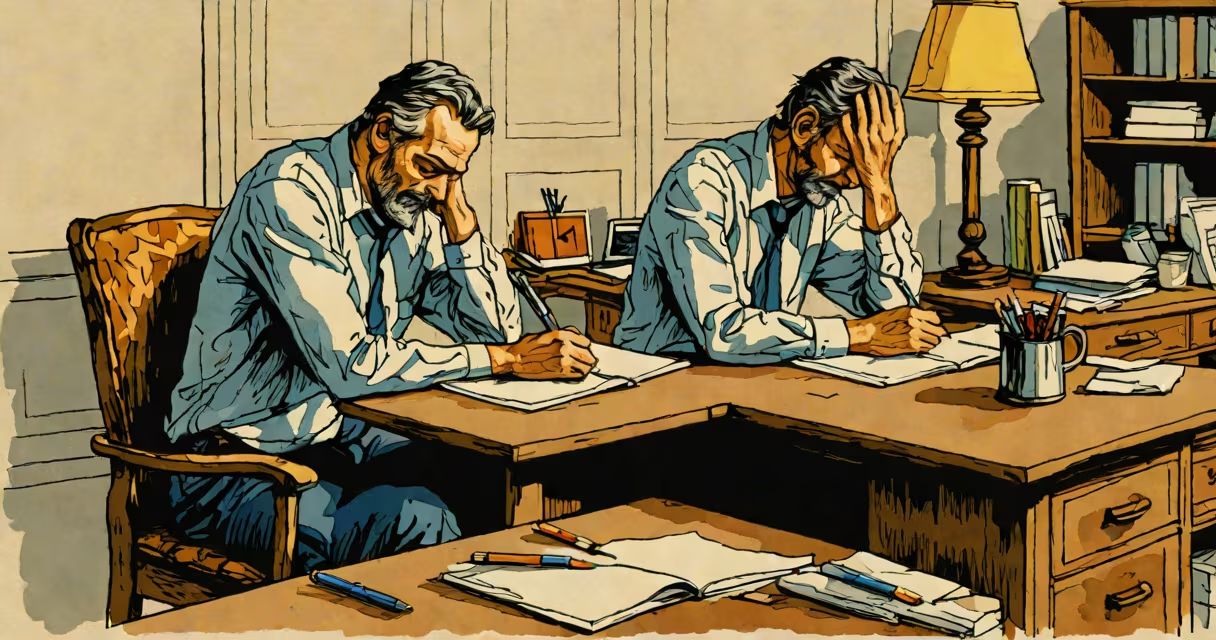
Feeling tired all the time isn't just lack of sleep-it's often a symptom of underlying health issues, mental health conditions, or lifestyle patterns that disrupt energy balance. Persistent fatigue affects over 10% of adults in the U.S., according to the CDC, and can reduce quality of life.
Chronic tiredness isn't a single condition. It's a signal. Your body sends it when something is off-whether it's your sleep cycle, hormone levels, diet, or emotional state. Ignoring it increases risk for long-term health problems like heart disease and diabetes, per the American Heart Association.
Your body produces energy through cellular respiration, primarily using glucose and oxygen in mitochondria. When this process falters due to poor nutrition, stress, or illness, ATP (adenosine triphosphate) production drops. Low ATP means less energy for brain function, muscle movement, and immune response-leading to fatigue.
The hypothalamus-pituitary-adrenal (HPA) axis regulates stress and energy. Chronic stress keeps cortisol elevated, which disrupts sleep, suppresses immune function, and interferes with insulin sensitivity. Over time, this leads to adrenal fatigue-a term widely debated but clinically linked to burnout symptoms.
A 2021 study in *Sleep Medicine Reviews* found that people reporting daily fatigue had 40% higher odds of developing cardiovascular disease within five years, independent of obesity or smoking status.
Not all tiredness is the same. Some forms stem from physical issues, others from psychological ones. Here's how they differ:
| Type | Primary Cause | Common Symptoms | Diagnostic Clue |
|---|---|---|---|
| Sleep-related | Insomnia, sleep apnea, restless leg syndrome | Daytime drowsiness, morning headaches, difficulty concentrating | Apnea-hypopnea index (AHI) >5 during polysomnography |
| Nutritional | Iron deficiency, vitamin B12 or D deficiency | Pale skin, cold hands, brittle nails, mood swings | Low serum ferritin (<15 ng/mL), low B12 (<200 pg/mL) |
| Mental Health | Depression, anxiety, PTSD | Emotional numbness, loss of interest, racing thoughts | PHQ-9 score ≥10, GAD-7 ≥10 |
| Hormonal | Hypothyroidism, adrenal insufficiency | Weight gain, dry skin, hair loss, cold intolerance | TSH >4.0 mIU/L, free T4 below normal range |
One non-obvious factor: circadian misalignment. Even with 8 hours of sleep, if your internal clock is off-due to shift work, jet lag, or late-night screen exposure-you may still feel drained. A 2022 study in *Nature Communications* showed that people with delayed sleep phase syndrome had lower daytime alertness despite adequate sleep duration.
Many assume fatigue equals laziness. That's incorrect. The National Institute of Mental Health defines fatigue as "a subjective sense of exhaustion not relieved by rest." It's not a choice-it's a physiological state.
Another myth: "I'm just busy." While workload contributes, research shows that perceived busyness doesn't correlate with actual productivity. A 2020 Harvard Business Review analysis found that employees who reported high stress and low recovery time were 3.4 times more likely to quit within a year.
Some confuse fatigue with low motivation. But fatigue is physical and mental weariness. Motivation is goal-directed drive. You can be highly motivated yet feel physically exhausted-common in people with chronic illness or caregiving roles.
I worked with Sarah, a 38-year-old teacher who reported feeling "drained" every day since her son was born. She slept 7-8 hours nightly but woke up exhausted. Her doctor initially dismissed it as postpartum adjustment. After six months, she developed palpitations and weight gain.
Blood tests revealed TSH = 6.8 mIU/L and free T4 = 0.8 ng/dL-indicating hypothyroidism. She started levothyroxine therapy. Within four weeks, her energy improved noticeably. Her follow-up test at eight weeks showed normalized thyroid function.
This case illustrates that fatigue isn't always about sleep. Hormonal imbalances can mimic burnout while causing real organ dysfunction. Early testing prevents long-term complications.
If fatigue persists beyond two weeks despite good sleep hygiene, consult a healthcare provider. Start with a primary care physician for blood work: CBC, metabolic panel, TSH, vitamin D, B12, and iron studies.
For persistent cases, consider referral to a sleep specialist or endocrinologist. The American Academy of Sleep Medicine recommends polysomnography (sleep study) for anyone with snoring, gasping, or unrefreshing sleep.
Some people try quick fixes like caffeine or energy drinks. These mask symptoms but worsen sleep quality and increase anxiety. A 2023 JAMA Internal Medicine study found that daily caffeine intake above 400 mg correlated with reduced deep sleep stages and increased nighttime awakenings.
One personal insight: I once ran a 10K race while recovering from a mild viral infection. I felt fine during the run but collapsed afterward with severe weakness. My doctor later confirmed it was post-viral fatigue-a known but underdiagnosed condition. I learned that pushing through fatigue risks longer recovery periods.
Don't ignore consistent tiredness. It's not normal to feel this way every day. Why am J always tired may sound like a personal question, but it reflects a widespread issue affecting millions. Identifying the root cause is the first step toward lasting energy.