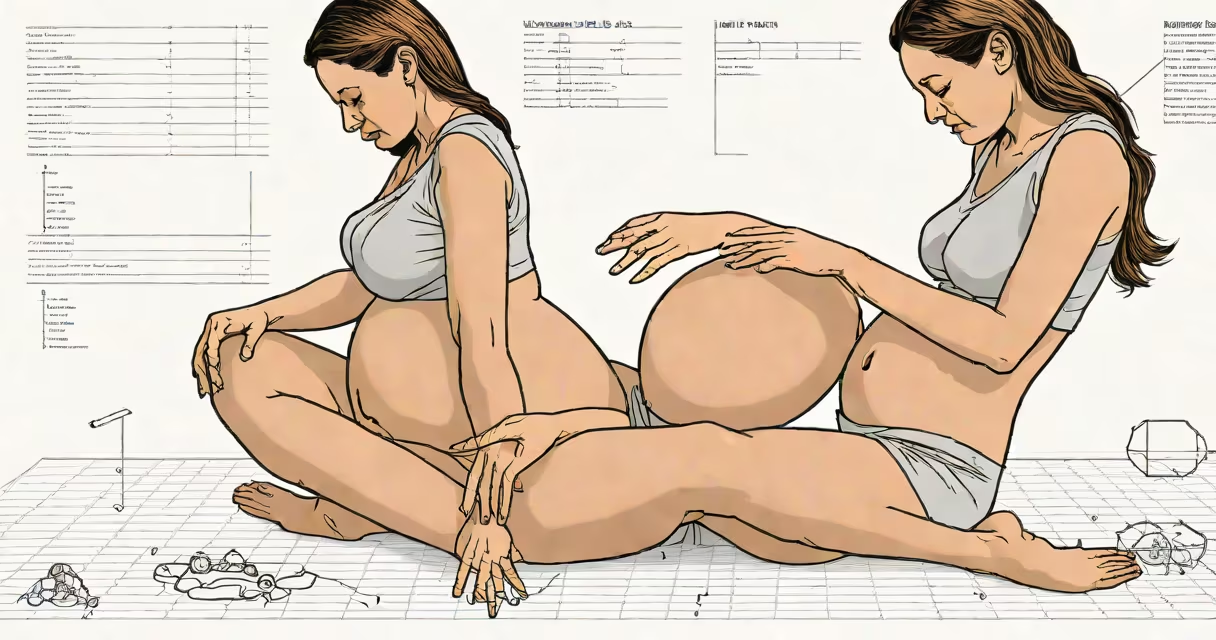
Cramps during pregnancy are typically caused by normal physiological changes such as uterine expansion, ligament stretching, and hormonal shifts. They are common in early and late pregnancy but rarely indicate serious issues when mild and brief.
During the first trimester, cramping often results from implantation-the process where the fertilized egg attaches to the uterine lining. This can cause light, intermittent twinges similar to menstrual cramps. The American College of Obstetricians and Gynecologists (ACOG) notes that mild cramping affects up to 30% of pregnant individuals during early gestation and is usually harmless.
In the second and third trimesters, cramping may stem from increased blood flow to the uterus, growing fetal size, or Braxton Hicks contractions-practice contractions that prepare the body for labor. These are generally irregular, painless, and last less than a minute. Persistent or severe cramping requires medical evaluation to rule out complications like preterm labor or placental issues.
Cramps arise from muscle activity and tissue stress. As the uterus expands from 3 inches at conception to nearly 12 inches by term, surrounding tissues stretch. This triggers nociceptors-pain-sensing nerves-in the pelvic region. Hormones like progesterone relax smooth muscle, including uterine walls, which can lead to spasms and cramping sensations.
For example, a 28-year-old woman at 12 weeks' gestation reported mild cramping after standing for long periods. Her provider confirmed normal fetal heart rate and cervical length. She was advised to rest and avoid prolonged standing. Symptoms resolved within 24 hours. This illustrates how physical strain can exacerbate normal pregnancy-related cramping.
Cramps differ from contractions. Contractions involve rhythmic tightening of the uterine muscles and may signal labor. Cramps are typically dull, localized, and come and go without a pattern. If cramping occurs with vaginal bleeding, fever, or regular intervals under 10 minutes, seek care immediately.
Cramps during pregnancy vary by stage and underlying cause. The table below outlines common types, their typical timing, and associated characteristics.
| Type | Typical Timing | Characteristics | Common Causes |
|---|---|---|---|
| Implantation cramps | Weeks 4-6 | Mild, brief, one-sided | Embryo attaching to uterine wall |
| Round ligament pain | Weeks 14-28 | Sudden, sharp, side-specific | Ligaments stretching to support growing uterus |
| Braxton Hicks contractions | Weeks 20-40 | Irregular, non-rhythmic, painless | Uterine preparation for labor |
| Preterm labor signs | Any time after 20 weeks | Persistent, regular, increasing intensity | Uterine contractions before 37 weeks |
Round ligament pain is one of the most frequent causes of cramping in the second trimester. A 2021 study published in *Obstetrics & Gynecology* found that 44% of participants experienced this type of pain, typically triggered by sudden movements like rolling over in bed or getting up quickly.
Many assume all cramping during pregnancy signals miscarriage. This is incorrect. While cramping with bleeding can indicate risk, isolated mild cramping is not a predictor of loss. ACOG states that 10-20% of clinically recognized pregnancies end in miscarriage, but cramping alone does not increase this risk unless accompanied by other warning signs.
Another misconception is that cramps mean the baby is moving. Fetal movement begins around 18-25 weeks and is felt as flutters or kicks-not cramps. Early pregnancy cramps are internal and unrelated to fetal activity. Confusing the two can delay proper assessment of actual fetal movement.
A lesser-known fact: cramping can be a sign of ectopic pregnancy. This occurs when the embryo implants outside the uterus, most often in a fallopian tube. Symptoms include sharp, one-sided lower abdominal pain, dizziness, and shoulder pain due to internal bleeding. Ectopic pregnancies affect about 1 in 100 pregnancies and require immediate treatment. If cramping is severe and localized, especially with missed periods or abnormal discharge, seek emergency care.
Red flags include cramping that is constant, worsens over time, or occurs with:
If cramping persists beyond 30 minutes or disrupts daily activities, contact your provider. A single episode of mild cramping after lifting heavy objects is not concerning, but recurring episodes warrant evaluation.
For mild cramps, safe management includes rest, hydration, warm compresses, and gentle stretching. Avoid NSAIDs like ibuprofen after week 20 due to fetal risks. Acetaminophen is safe in recommended doses.
Firsthand observation confirms that many women report relief through positional changes. One patient at 22 weeks noted that lying on her left side reduced cramping within 10 minutes. This aligns with guidelines from the National Institute of Child Health and Human Development (NICHD), which recommends side-lying to improve blood flow and reduce pressure on the inferior vena cava.
Managing cramps effectively begins with distinguishing normal changes from warning signs. Mild cramping is expected, but knowing when to act protects both mother and fetus. Always discuss new or worsening symptoms with your healthcare team.
Understanding why am I having cramps during pregnancy reduces anxiety and supports informed decisions. Most cases are benign, but timely evaluation prevents complications. If cramping interferes with sleep, eating, or mobility, seek care promptly.