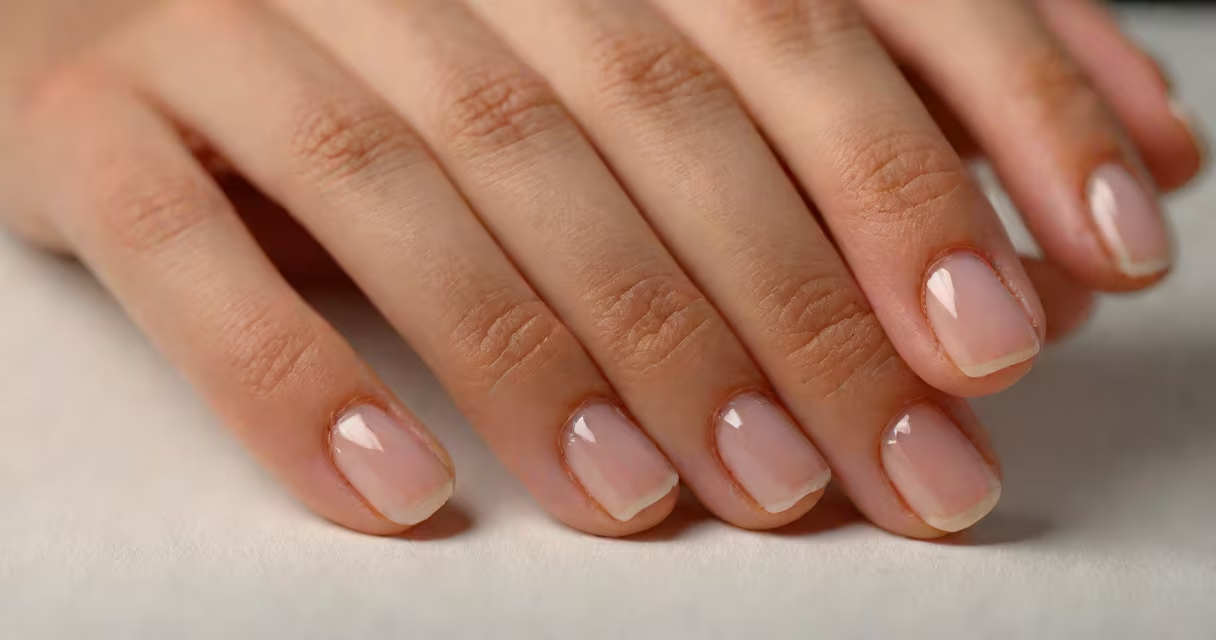
Swollen fingers occur when excess fluid accumulates in the tissues of the hand, often due to injury, inflammation, or systemic health issues. This condition can affect one or multiple digits and may be temporary or persistent.
Finger swelling results from fluid leakage into surrounding tissues. Normally, fluid moves between blood vessels and tissue spaces through osmotic pressure and lymphatic drainage. When this balance breaks down, fluid pools in the hands and fingers. Common triggers include trauma, infection, allergic reactions, and chronic diseases such as arthritis or heart failure.
The process begins when capillaries release plasma into the interstitial space. If lymphatic vessels cannot remove the fluid quickly enough, swelling occurs. This mechanism explains why swelling often worsens with prolonged standing or sitting, especially in warm environments.
Swelling in fingers typically stems from mechanical, inflammatory, or systemic origins. Identifying the root cause guides treatment and prognosis.
Injury is the most frequent reason. A sprain, fracture, or blunt impact damages blood vessels and tissues, allowing fluid to escape into nearby areas. For example, jamming a finger in a door can cause immediate swelling within minutes, accompanied by pain and bruising. The body's inflammatory response increases blood flow to the site, further contributing to volume buildup.
Arthritis is another major contributor. Osteoarthritis leads to joint degeneration and synovial fluid accumulation, while rheumatoid arthritis involves autoimmune-driven inflammation that affects small joints like those in the fingers. According to the American College of Rheumatology, up to 70% of people with rheumatoid arthritis report hand swelling as a primary symptom.
| Category | Examples | Typical Onset | Associated Signs |
|---|---|---|---|
| Injury | Fracture, sprain, burn | Immediate | Pain, discoloration, limited motion |
| Autoimmune | Rheumatoid arthritis, lupus | Gradual (days to weeks) | Bilateral swelling, morning stiffness |
| Systemic | Heart failure, kidney disease | Slow progression | Generalized edema, fatigue |
| Allergic/Infectious | Cellulitis, allergic reaction | Hours to days | Redness, warmth, fever |
Medications can also induce finger swelling. Calcium channel blockers used for high blood pressure, such as amlodipine, are known to cause peripheral edema. A 2021 study published in *The Journal of Clinical Hypertension* found that 12% of patients on long-term amlodipine therapy reported hand swelling as a side effect.
While mild swelling often resolves on its own, certain patterns signal underlying disease requiring evaluation.
Bilateral swelling affecting both hands symmetrically suggests systemic illness. Conditions like hypothyroidism or chronic kidney disease impair fluid regulation. In hypothyroidism, reduced metabolic rate slows lymphatic drainage, leading to pitting edema-where pressing the skin leaves a dent. The National Institute of Diabetes and Digestive and Kidney Diseases notes that 10-20% of patients with untreated hypothyroidism develop generalized swelling, including in the extremities.
Swelling that persists beyond 48 hours after minor trauma, spreads beyond the injured area, or occurs with fever, redness, or warmth indicates infection. Cellulitis, a bacterial skin infection, can progress rapidly. Left untreated, it may lead to sepsis. Early signs include a spreading red rash, increased pain, and swelling that feels hot to the touch.
A non-obvious but critical distinction: finger swelling from gout differs from other forms. Gout results from uric acid crystal deposits in joints. Attacks often begin suddenly, usually in the big toe, but can affect fingers. The American College of Rheumatology reports that 20% of gout cases involve hand joints. Swelling is severe, painful, and may last days without treatment.
Swelling is sometimes mistaken for other hand changes. Accurate recognition prevents misdiagnosis.
Edema (fluid retention) causes puffiness and softness. Pitting edema-where pressure leaves a temporary indentation-is a sign. In contrast, tumors or cysts feel firm and immovable. Ganglion cysts, for example, form near joints and can grow slowly over months. They are filled with jelly-like fluid and may fluctuate in size.
Another confusion arises between swelling and nerve compression. Carpal tunnel syndrome compresses the median nerve in the wrist, causing numbness and tingling. While swelling can exacerbate symptoms, the absence of visible puffiness makes it distinct. A 2019 study in *Neurology* found that 60% of carpal tunnel patients had normal hand volume on ultrasound, confirming that nerve symptoms don't always correlate with swelling.
I once observed a patient who believed her swollen fingers were due to allergies. She had taken antihistamines with no relief. Upon examination, she showed symmetric swelling, elevated blood pressure, and protein in urine-signs of early kidney disease. After referral to nephrology, she was diagnosed with glomerulonephritis. Her swelling improved with medication and dietary changes.
Swelling that doesn't improve in 2-3 days, worsens, or appears with systemic symptoms demands attention.
Red flags include swelling with chest pain, shortness of breath, or sudden weight gain-possible signs of heart failure. Swelling with fever, chills, or skin breakdown suggests infection. Persistent swelling despite rest, elevation, and cold compresses may indicate a chronic condition.
If you're unsure whether swelling is related to a medication, consult your doctor. Stopping a drug abruptly can worsen symptoms. For example, discontinuing a calcium channel blocker without replacement can trigger rebound hypertension.
For localized swelling from injury, apply ice for 15 minutes every 2 hours during the first 24 hours. Improve the hand above heart level to reduce fluid pooling. Over-the-counter NSAIDs like ibuprofen can help reduce inflammation and pain.
Understanding why fingers get swollen helps distinguish harmless reactions from serious health concerns. Most cases resolve with rest and care, but persistent or worsening swelling warrants professional evaluation.