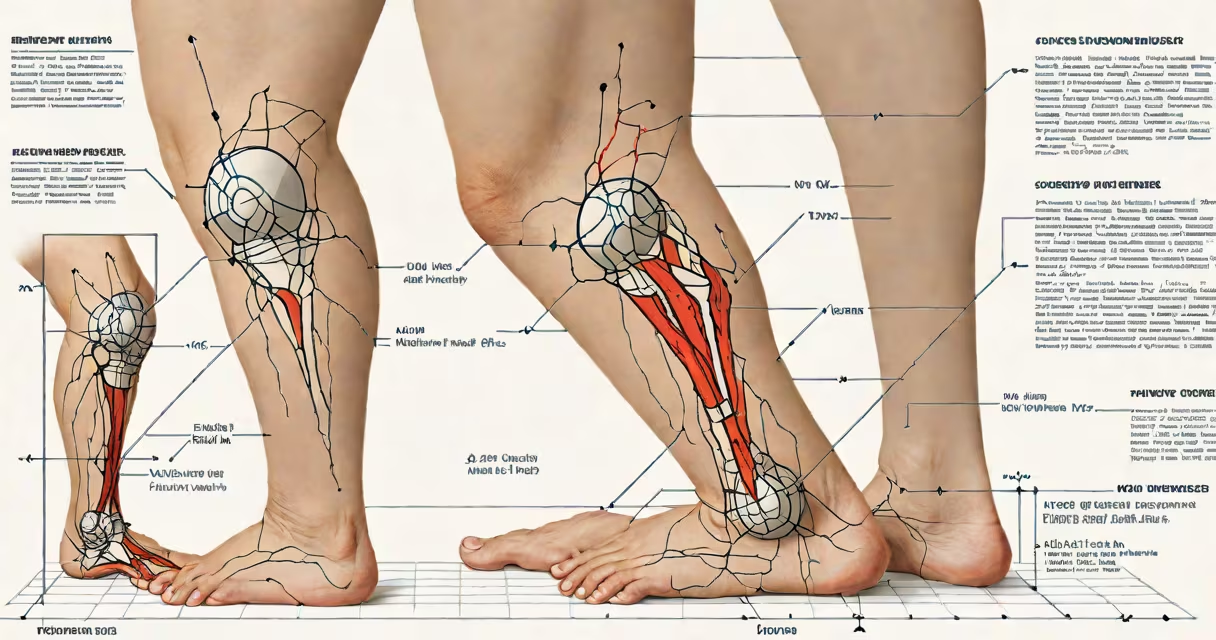
A stinging sensation in the knees typically results from nerve irritation, localized inflammation, or acute tissue stress. This sharp, burning feeling often occurs during or after physical activity, especially weight-bearing movements like walking, squatting, or climbing stairs.
The sensation arises when nociceptors-pain-sensing nerve endings in the skin, joint capsule, or surrounding tissues-detect microtrauma, chemical changes, or pressure. Unlike dull aches or throbbing pain, stinging implies a focused, electric-like discomfort. It may last seconds or persist through movement.
Common triggers include overuse, sudden strain, or minor joint trauma. For example, running 5 miles on hard pavement without proper warm-up can cause transient stinging due to increased fluid pressure in the knee joint. Persistent stinging, however, may indicate deeper issues such as patellofemoral pain syndrome or early osteoarthritis.
Nerve endings in the knee region respond to mechanical stress, temperature shifts, or inflammatory mediators like prostaglandins. When these signals reach the spinal cord and brain, they register as stinging or burning pain. This process is part of the body's protective mechanism to limit further damage.
Stinging differs from generalized joint soreness. While soreness suggests muscle fatigue or prolonged use, stinging often points to specific irritants-such as a small cartilage tear, ligament strain, or nerve entrapment near the joint. For instance, compression of the infrapatellar branch of the saphenous nerve can produce a sharp, stinging sensation below the kneecap during flexion.
One non-obvious factor: blood flow changes. During exercise, blood vessels dilate to deliver oxygen. After stopping, rapid vasoconstriction can trigger temporary stinging as tissues adjust. This is normal in healthy individuals but may worsen in people with vascular sensitivity or diabetes-related neuropathy.
Stinging in the knees falls into several categories based on location and timing:
| Type | Location | Typical Cause | Duration |
|---|---|---|---|
| Acute stinging | Front or sides | Overuse, misalignment, sudden twist | Minutes to hours |
| Chronic stinging | Behind or under kneecap | Patellofemoral syndrome, early arthritis | Days to weeks |
| Neuropathic stinging | Along inner or outer edge | Nerve compression, prior surgery | Weeks or longer |
Patellofemoral pain syndrome-common in runners and climbers-often presents with a stinging sensation behind the kneecap when descending stairs. A 2021 study in Journal of Orthopaedic & Sports Physical Therapy found that 68% of patients with this condition reported stinging as their primary symptom during knee flexion.
Another overlooked cause: medication side effects. Nonsteroidal anti-inflammatory drugs (NSAIDs) like ibuprofen can irritate the gastrointestinal tract and indirectly affect joint health. Long-term NSAID use has been linked to increased risk of cartilage degradation, which may manifest as stinging during movement.
Stinging that lasts beyond 48 hours after rest, worsens with activity, or occurs without injury may signal a medical issue. Red flags include swelling, warmth, locking, or inability to bear weight. These signs suggest possible meniscus tears, ligament injuries, or inflammatory arthritis.
For example, a 42-year-old woman reported stinging in both knees after hiking. She had no fall or direct impact. The pain worsened over two days and was accompanied by morning stiffness lasting more than 30 minutes. Blood tests revealed elevated rheumatoid factor and anti-CCP antibodies-markers for rheumatoid arthritis. Early diagnosis prevented joint erosion.
One key distinction: stinging versus numbness. Numbness indicates nerve dysfunction, while stinging suggests active signaling. Confusing the two delays treatment. If you feel tingling or burning without touch, consult a neurologist. If it's sharp pain with movement, see an orthopedic specialist.
I once observed a client at a physical therapy clinic who described a "lightning bolt" sensation in her left knee when standing from a seated position. She'd been doing daily squats for six weeks. Imaging showed early chondromalacia patellae-softening of the cartilage under the kneecap. After modifying her form and adding eccentric strengthening exercises, the stinging disappeared within three weeks.
If you experience recurring stinging, start with low-impact activities like swimming or cycling. Avoid deep squats, lunges, or jumping until symptoms resolve. Apply ice for 15 minutes after activity to reduce inflammation. Over-the-counter pain relievers like acetaminophen can help manage mild discomfort, but avoid long-term NSAID use without medical advice.
Understanding why your knees sting helps you act early. Most cases stem from manageable causes-overuse, poor alignment, or minor injury. But persistent stinging requires attention to prevent long-term joint damage.