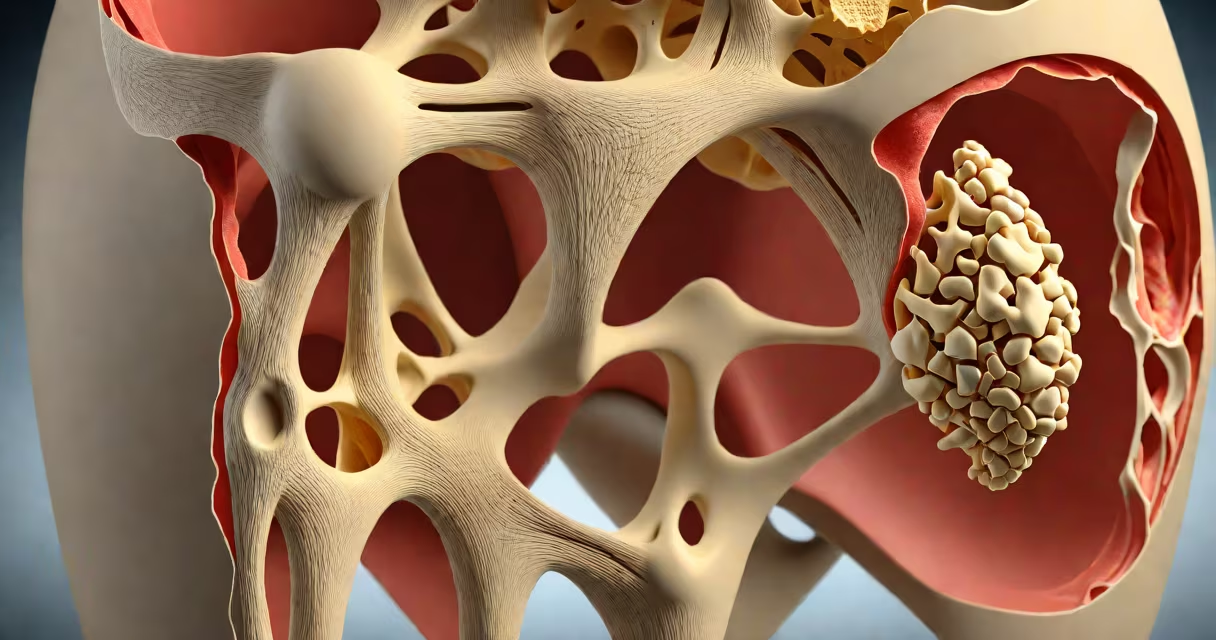
A hip labral tear occurs when the ring of cartilage lining the hip socket-the acetabular labrum-develops a fissure or detaches from the bone due to trauma, repetitive stress, or underlying hip anatomy issues. This condition often leads to deep groin pain, clicking sensations, and reduced range of motion.
The labrum acts as a seal and shock absorber within the hip joint. When damaged, it compromises joint stability and increases wear on the articular cartilage. Tears typically develop from high-impact activities, structural hip deformities such as femoroacetabular impingement (FAI), or degenerative changes over time.
According to the American Academy of Orthopaedic Surgeons (AAOS), labral tears affect approximately 1 in 10 patients presenting with hip pain, with athletes and individuals in physically demanding occupations at higher risk. Diagnosis requires imaging, usually MRI with contrast (MR arthrogram), to confirm the tear's presence and location.
Labral tears form through mechanical stress on the hip joint. Repetitive pivoting, twisting, or sudden deceleration-common in sports like soccer, football, ballet, and gymnastics-can overstress the labrum. Over time, microtrauma accumulates, leading to fraying and eventual tearing.
Traumatic events such as falls, car accidents, or direct blows to the hip can cause acute tears. A study published in the Journal of Orthopaedic Research found that 62% of labral tears in young adults were linked to single traumatic incidents, while 38% resulted from gradual overuse.
Structural abnormalities increase vulnerability. Femoroacetabular impingement (FAI)-where the femoral head rubs against the acetabulum-creates abnormal contact forces that damage the labrum. FAI affects about 15% of the population, and among those, up to 50% develop labral tears by age 40, according to research from the University of California, San Francisco.
Labral tears fall into two primary categories based on location and mechanism:
| Type | Description | Common Cause |
|---|---|---|
| Radial tear | Vertical split extending from the inner to outer edge of the labrum | Repetitive rotational stress |
| Horizontal cleavage tear | Separation along the horizontal plane, often seen in degenerative cases | Age-related wear, osteoarthritis |
| Peripheral detachment | Labrum pulls away from the acetabular rim | Acute trauma, surgical complications |
Non-surgical factors include hip dysplasia-where the hip socket is too shallow-and generalized ligamentous laxity. These conditions alter joint mechanics, increasing strain on the labrum. A 2021 study in the journal Arthroscopy reported that 34% of patients with labral tears had coexisting hip dysplasia, often undiagnosed until imaging was performed.
One lesser-known factor is anatomical variation in the hip's posterior capsule. Some people have a thicker, tighter posterior labrum that resists normal movement. This can lead to increased friction during hip flexion and internal rotation, contributing to early wear.
Many assume a hip labral tear is purely an athletic injury. While common in sports, it also affects sedentary individuals and older adults. Degenerative labral tears occur in people over 50, often mimicking arthritis symptoms. Without imaging, they're frequently misdiagnosed.
Another confusion is equating labral tears with hip bursitis. Both cause groin or lateral hip pain, but bursitis involves inflammation of the fluid-filled sacs near joints. Bursitis pain worsens with prolonged sitting or lying on the affected side, whereas labral tear pain typically intensifies with activity and deep hip flexion.
Crucially, not all hip pain stems from the labrum. A 2020 review in Orthopedic Reviews found that only 27% of patients with chronic hip pain had labral pathology on MRI. Other sources-such as muscle strains, nerve entrapment, or referred pain from the lower back-must be ruled out first.
In 2019, a professional ballet dancer reported persistent right hip pain during pirouettes and tendus. She had no history of trauma. Initial physical exams suggested muscle strain. After six months of physical therapy with no improvement, an MRI with contrast revealed a radial tear in the anterior labrum.
She underwent arthroscopic repair. Post-op recovery took 12 weeks. Her surgeon noted that years of repetitive turnout movements had worn down the labrum, especially during high-speed turns. The tear wasn't caused by a single incident but by cumulative microtrauma-a pattern seen in many dancers.
This case illustrates that labral tears aren't always from injury. They can result from biomechanical overload in specific movement patterns, particularly in professions requiring extreme joint ranges.
If you experience deep groin pain that worsens with twisting, squatting, or prolonged walking, and persists beyond two weeks despite rest and NSAIDs, consult a specialist. Pain that radiates to the buttock or outer thigh may indicate a different issue, such as sciatica or hip osteoarthritis.
Imaging is essential. Standard X-rays cannot visualize soft tissue like the labrum. An MR arthrogram-where contrast dye is injected into the joint-detects tears with 95% accuracy, per the AAOS.
Early diagnosis prevents further joint damage. Untreated tears can progress to cartilage loss and early-onset osteoarthritis. A 2022 study in Journal of Hip Surgery showed that patients who received treatment within six months of symptom onset had 40% better functional outcomes at two years compared to those delayed in care.