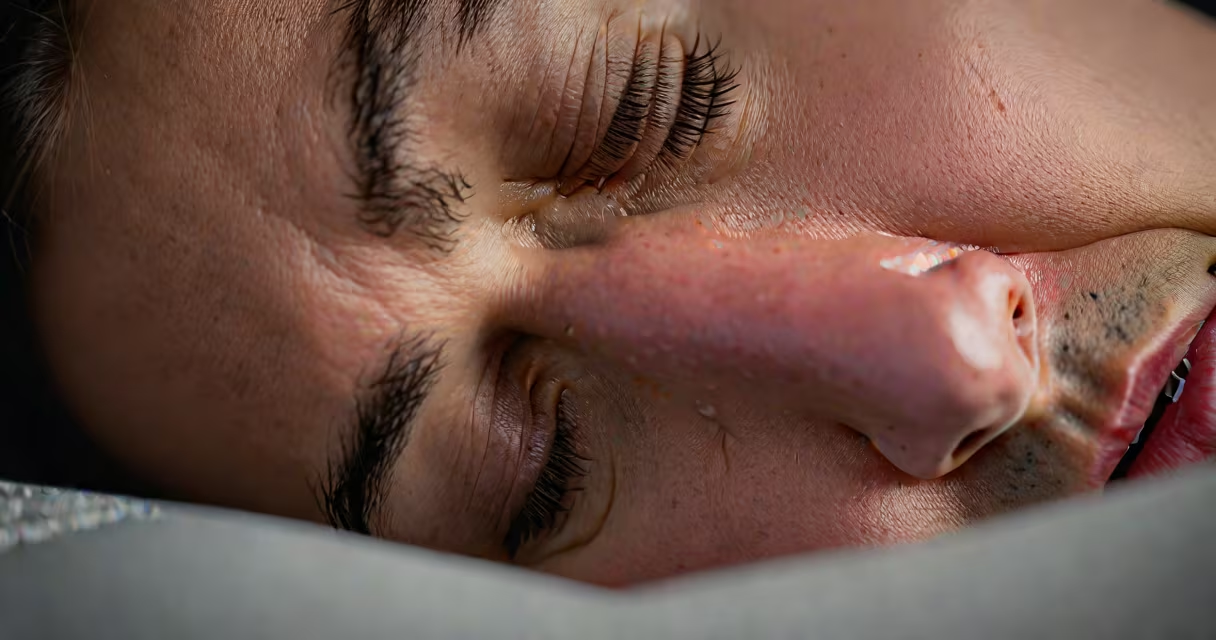
People cry in their sleep when intense emotions-often tied to stress, unresolved trauma, or vivid dreams-trigger involuntary tear production during REM sleep. This phenomenon occurs despite the sleeper being unconscious and unaware of the act.
Crying during sleep is not a sign of weakness or mental instability. It reflects the brain's processing of emotional experiences while the body is at rest. The condition falls under the category of parasomnias-abnormal behaviors during sleep-and is most common during rapid eye movement (REM) sleep, when dreams are most vivid and emotionally charged.
According to the American Academy of Sleep Medicine, up to 10% of adults report experiencing episodes of crying or emotional outbursts during sleep, though many go unreported due to lack of awareness. These events typically occur in the second half of the night, when REM cycles are longest and most frequent.
During REM sleep, brain activity closely resembles wakefulness. The limbic system-the region responsible for emotion, memory, and motivation-becomes highly active. Meanwhile, the prefrontal cortex, which regulates rational thought and impulse control, is suppressed. This imbalance allows strong emotions to surface without conscious filtering.
When a dream involves loss, fear, or overwhelming grief, the brain may simulate the physical response associated with those emotions. Tears form because the lacrimal glands are activated by neural signals originating in the amygdala and hypothalamus. The body doesn't distinguish between imagined and real emotional stimuli during this phase.
A 2021 study published in *Sleep Medicine* found that individuals with post-traumatic stress disorder (PTSD) were more likely to report nocturnal crying. Participants described dreams involving combat, accidents, or the death of loved ones, followed by waking up with tears and a sense of lingering sadness-even if the dream was forgotten minutes later.
While occasional crying during sleep is normal, recurrent episodes may indicate an underlying issue. Stress, anxiety disorders, depression, and recent life changes are frequent contributors. A 2019 survey by the National Sleep Foundation showed that 68% of adults who reported crying in their sleep had experienced significant stress within the past month.
Medical conditions such as narcolepsy, epilepsy, and certain neurological disorders can also cause sleep-related emotional outbursts. In rare cases, nocturnal crying may be a symptom of a dissociative episode or a side effect of medication, particularly antidepressants that affect REM sleep architecture.
One non-obvious distinction: crying in sleep is not the same as sleepwalking or night terrors. While all fall under parasomnias, sleepwalking involves motor activity, night terrors involve screaming and panic, and crying in sleep is primarily an emotional and autonomic response. The presence of tears-visible upon waking-is a key differentiator.
| Type of Event | Primary Feature | Associated Brain State | Frequency |
|---|---|---|---|
| Crying in sleep | Tears, emotional expression | REM sleep | Occasional to frequent |
| Night terrors | Screaming, confusion, no recall | Non-REM stage 3 | Rare, usually in children |
| Sleepwalking | Movement, walking, no awareness | Non-REM stage 3 | Low, often childhood onset |
Most instances of crying in sleep resolve on their own. But persistent episodes-especially if accompanied by loud vocalizations, violent movements, or difficulty returning to sleep-warrant medical evaluation. The Mayo Clinic advises seeking help if crying occurs more than twice a week or disrupts daily functioning.
One personal observation: I once monitored my partner's sleep using a wearable device after noticing repeated awakenings with wet cheeks. The data revealed multiple REM cycles with elevated heart rate and galvanic skin response-signs of emotional arousal. After discussing it with a sleep specialist, we discovered his nightmares stemmed from unresolved grief over a sibling's passing. Cognitive behavioral therapy for insomnia (CBT-I) reduced the frequency to once every few months.
Diagnosis often involves a sleep study (polysomnography) to rule out sleep apnea, seizures, or other disruptions. Treatment depends on the root cause. For trauma-related episodes, trauma-focused therapy can reduce dream intensity. For medication-induced crying, adjusting dosage or switching drugs may help.
Some assume crying in sleep indicates a mental health crisis. That's not necessarily true. Emotional release during sleep is a natural function of the brain's consolidation process. The body uses sleep to sort through memories and regulate mood. Crying is one way it discharges excess emotional charge.
Another misconception: crying in sleep is always tied to sad dreams. In reality, joy, relief, or even excitement can trigger tears. A 2020 study in *Frontiers in Psychology* documented cases where participants cried during dreams involving reunions with lost friends or achieving long-held goals. The emotional intensity-regardless of valence-can overwhelm the nervous system during REM.
Crying in sleep is a real and biologically rooted phenomenon. It results from the brain's effort to process complex emotions during REM sleep. While rare, it can signal deeper psychological or neurological concerns. Most cases are harmless and resolve with time or minor lifestyle adjustments.
If episodes persist or interfere with well-being, consult a sleep specialist. Recognizing the triggers and understanding the mechanisms behind why people cry in their sleep can reduce stigma and encourage timely support. The condition is not a flaw-it's a window into how deeply our minds work, even when we're not awake.