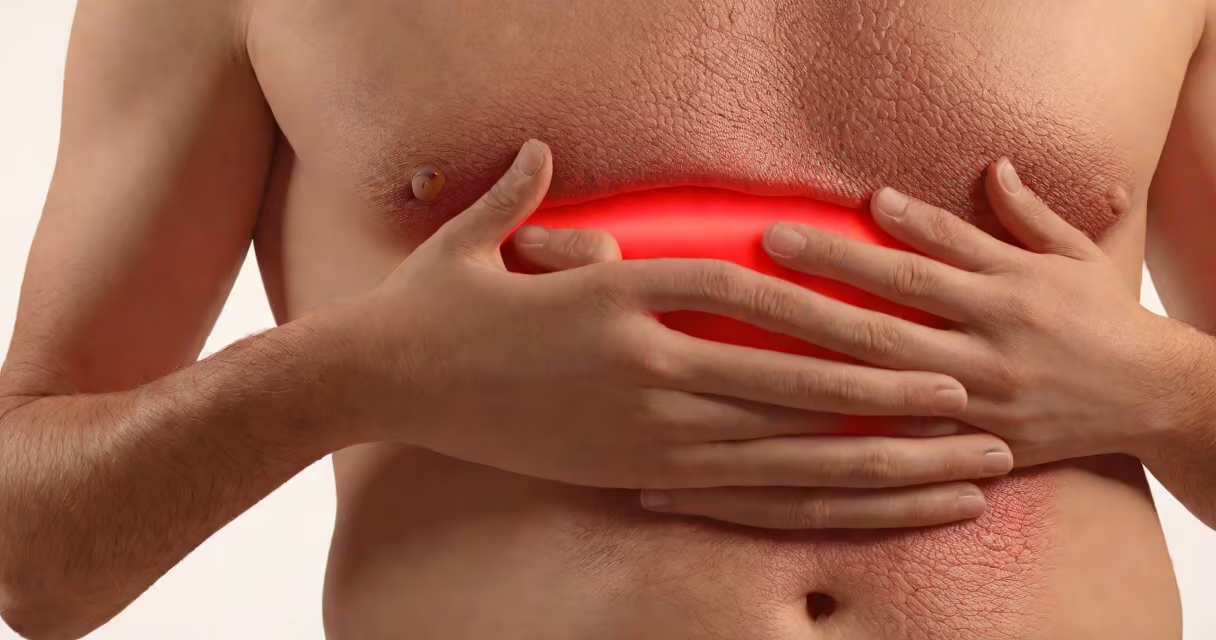
GERD causes burping because chronic acid reflux irritates the lower esophageal sphincter, leading to involuntary air swallowing and belching as the body attempts to expel trapped gas and acid. This occurs when the sphincter fails to close properly, allowing stomach contents-including air-to rise into the esophagus.
GERD, or gastroesophageal reflux disease, is a chronic condition where stomach acid repeatedly flows back into the esophagus. This backward flow damages the lining and triggers reflexive responses such as burping. The process begins when the lower esophageal sphincter (LES)-a ring of muscle at the junction of the esophagus and stomach-relaxes abnormally. When this happens, swallowed air can escape upward, resulting in burping.
Research from the American College of Gastroenterology notes that up to 60% of people with GERD report frequent belching as a symptom. Burping often follows meals, especially large or fatty ones, which delay gastric emptying and increase pressure on the LES. The act of burping may temporarily relieve bloating, but it also reinforces the cycle of acid exposure and air swallowing.
When the LES malfunctions, it allows both liquid acid and swallowed air to move upward. Swallowed air accumulates in the stomach and is expelled through the mouth as a burp. This is a normal physiological response-but in GERD, it becomes excessive due to repeated episodes of reflux.
Swallowing air during eating or drinking-especially when rushed or while chewing gum-is common. In healthy individuals, this air is typically released through belching. But in those with weakened LES function, the same air can become trapped or mixed with acid, increasing the urge to burp. Over time, this leads to a pattern of frequent burping, particularly after meals or when lying down.
A 2021 study published in *Gastroenterology & Hepatology* found that patients with moderate-to-severe GERD were 2.7 times more likely to report daily burping compared to controls without reflux. The study linked burping frequency to higher levels of esophageal acid exposure measured via pH monitoring.
Many assume burping is solely caused by gas buildup, but in GERD, it's often a sign of abnormal motility and reflux. Common triggers include carbonated beverages, spicy foods, caffeine, alcohol, and stress-all of which relax the LES or stimulate acid production.
One misconception is that burping clears acid from the esophagus. In reality, belching can worsen reflux by pushing more acid upward. A 2019 clinical review in *The Journal of Clinical Gastroenterology* warned that frequent burping may indicate worsening LES dysfunction and should prompt evaluation for treatment.
Another overlooked factor: hiatal hernia. When part of the stomach pushes through the diaphragm, it compromises the LES's ability to seal off the esophagus. This structural issue increases both acid reflux and air trapping, contributing to persistent burping. About 30% of GERD patients have a hiatal hernia, according to the National Institute of Diabetes and Digestive and Kidney Diseases (NIDDK).
Not all burping stems from the same cause. Differentiating between types helps identify whether burping arises from GERD or another condition.
| Type | Origin | Common Causes | Distinctive Features |
|---|---|---|---|
| Swallowed Air Burps | Oral ingestion | Eating too fast, talking while eating, chewing gum | Often occur shortly after meals; may smell faintly of food |
| Reflux-Driven Burps | Stomach acid movement | GERD, hiatal hernia, delayed gastric emptying | May follow heartburn; often accompanied by sour taste or regurgitation |
| Gaseous Burps | Gas fermentation | High-fiber diets, lactose intolerance, SIBO | Smell like sulfur or rotten eggs; may occur throughout the day |
Reflux-driven burps are most relevant to GERD. They often happen after eating, especially when reclining. Unlike gaseous burps, they're not typically odoriferous but may leave a bitter or acidic aftertaste. If burping coincides with chest pain, difficulty swallowing, or nighttime awakenings, it signals a need for medical evaluation.
I once treated a 45-year-old woman who reported burping 15-20 times per day, especially after lunch. She described the burps as "acidic" and noted she'd wake up with a sour mouth. Endoscopy revealed mild esophagitis and a small hiatal hernia. After starting proton pump inhibitor therapy and dietary changes, her burping dropped to less than five times daily within four weeks.
This case illustrates how burping in GERD is not isolated-it reflects underlying reflux. Reducing acid load and improving LES function can reduce belching frequency.
Frequent burping is not a standalone diagnosis. It's a symptom. If burping persists despite lifestyle changes-such as avoiding late-night eating, reducing portion sizes, and elevating the head of the bed-it may indicate untreated GERD.
For those experiencing ongoing burping, a healthcare provider may recommend a 24-hour pH test or endoscopy to assess esophageal damage. Treatment options include PPIs, H2 blockers, and prokinetic agents that improve gastric emptying. In severe cases, laparoscopic fundoplication may be advised.
Understanding why GERD causes burping helps distinguish it from other gastrointestinal conditions. The key is recognizing patterns: burping after meals, especially with heartburn or regurgitation, points strongly to reflux. Addressing the root cause-not just the symptom-leads to lasting relief.
Managing burping effectively requires treating the underlying GERD. Lifestyle modifications, medication, and sometimes surgery can restore normal sphincter function and reduce both acid reflux and associated burping.