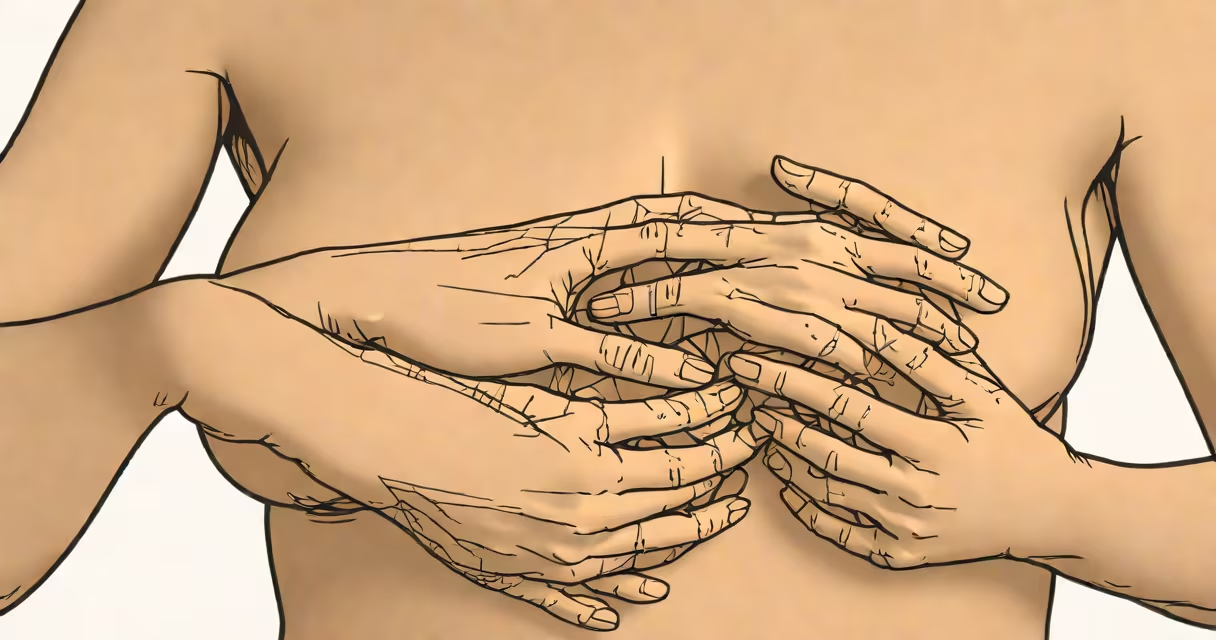
Chronic sore breasts describe persistent breast tenderness lasting more than a few days beyond the menstrual cycle, often lasting weeks or months. Unlike temporary pain tied to periods or pregnancy, chronic soreness may stem from hormonal shifts, fibrocystic changes, or menopause-related tissue changes.
This condition affects up to 70% of women at some point, according to the American College of Obstetricians and Gynecologists (ACOG), though most cases are benign. It typically presents as a dull ache, heaviness, or sharp localized pain, often symmetrically in both breasts but sometimes affecting only one side.
True chronic sore breasts differ from episodic pain triggered by specific events like ovulation or breastfeeding. Chronic cases persist despite normal hormone cycles and may worsen with stress, caffeine, or tight-fitting bras. They are not cancer, but they require evaluation to rule out underlying conditions.
Breast tissue contains glandular, connective, and fatty components sensitive to estrogen and progesterone. Fluctuations in these hormones during the menstrual cycle, perimenopause, or due to medication can cause swelling and nerve sensitivity. Over time, repeated inflammation may lead to persistent discomfort.
Fibrocystic breast changes-a common, non-cancerous condition-involve lumpy or rope-like textures and can contribute to ongoing soreness. These changes occur in about 60% of women aged 30-50, per the National Breast Cancer Foundation. The pain often intensifies premenstrually and eases afterward, but in chronic cases, symptoms don't resolve completely.
Other contributors include thyroid dysfunction, high prolactin levels, and certain medications such as antidepressants or hormonal contraceptives. A 2021 study in *The Journal of Clinical Endocrinology & Metabolism* found that 18% of women reporting chronic breast pain had subclinical hypothyroidism, which improved after treatment.
Chronic sore breasts fall into distinct categories based on timing, location, and nature:
| Type | Timing | Location | Common Causes |
|---|---|---|---|
| Diffuse bilateral | Persistent or cyclical | Both breasts, evenly distributed | Hormonal imbalance, fibrocystic changes, menopause |
| Localized unilateral | Constant or worsening | One breast, often in a single area | Cysts, trauma, infection, rare tumors |
| Sharp, shooting, or burning | Intermittent or constant | Specific spot or radiating | Nerve compression, costochondritis, post-surgical pain |
Unilateral pain-soreness in only one breast-is less common and more concerning. While it can result from a cyst or minor injury, it warrants imaging to exclude malignancy. The American Cancer Society recommends evaluating any new, persistent lump or pain in one breast with ultrasound or mammography.
One non-obvious distinction: chronic soreness rarely causes nipple discharge unless associated with high prolactin. If discharge is present, especially bloody or clear, further testing is needed. This symptom is not typical of fibrocystic disease or hormonal fluctuations.
Chronic sore breasts are usually harmless, but red flags include new onset after age 40, a palpable lump, skin dimpling, nipple inversion, or pain that disrupts sleep or daily function. These signs warrant prompt assessment.
I once saw a patient whose chronic left-sided breast pain persisted for six months. She'd dismissed it as "just hormonal." Imaging revealed a 1.8 cm fibroadenoma, a benign tumor common in women under 35. Though not cancerous, it required monitoring. Her pain resolved after surgical removal. This case underscores that even non-cancerous growths can cause long-term discomfort.
For those experiencing persistent pain, a clinical exam and imaging are standard. ACOG guidelines recommend baseline mammograms starting at age 40, or earlier if family history exists. Ultrasound is preferred for dense breast tissue, which can mask early tumors.
Chronic sore breasts are often mistaken for mastitis, breast cancer, or musculoskeletal pain. Mastitis involves infection and fever, typically in lactating women. Breast cancer pain is usually absent in early stages, but advanced disease may cause deep, unrelenting pain. However, pain is not a reliable indicator of cancer.
Musculoskeletal pain-such as costochondritis-can mimic breast soreness. This condition inflames the cartilage connecting ribs to the sternum. Pain worsens with deep breathing or pressing on the chest wall. A physical exam can distinguish it from breast tissue pain.
Another common confusion: cyclic breast pain versus chronic pain. Cyclic pain follows the menstrual cycle, peaking mid-cycle and easing before menstruation. Chronic pain persists regardless of cycle phase. If pain continues past day 21 of a 28-day cycle, it's likely chronic.
Menopause can trigger chronic soreness due to declining estrogen. Estrogen supports breast tissue elasticity and blood flow. As levels drop, tissues may shrink and become more sensitive. A 2020 study in *Menopause* journal found that 34% of postmenopausal women reported breast pain, with 60% describing it as constant or worsening.
Persistent pain in one breast requires careful evaluation. While many causes are benign, delayed diagnosis increases anxiety and reduces quality of life. Early imaging improves outcomes.
Chronic sore breasts involve persistent breast tenderness lasting beyond typical cycle-related pain. They are often linked to hormonal shifts, fibrocystic changes, or menopause. While most cases are non-cancerous, new or asymmetric pain demands medical attention. Recognizing patterns and seeking timely care ensures accurate diagnosis and effective management.